
Heather Exner
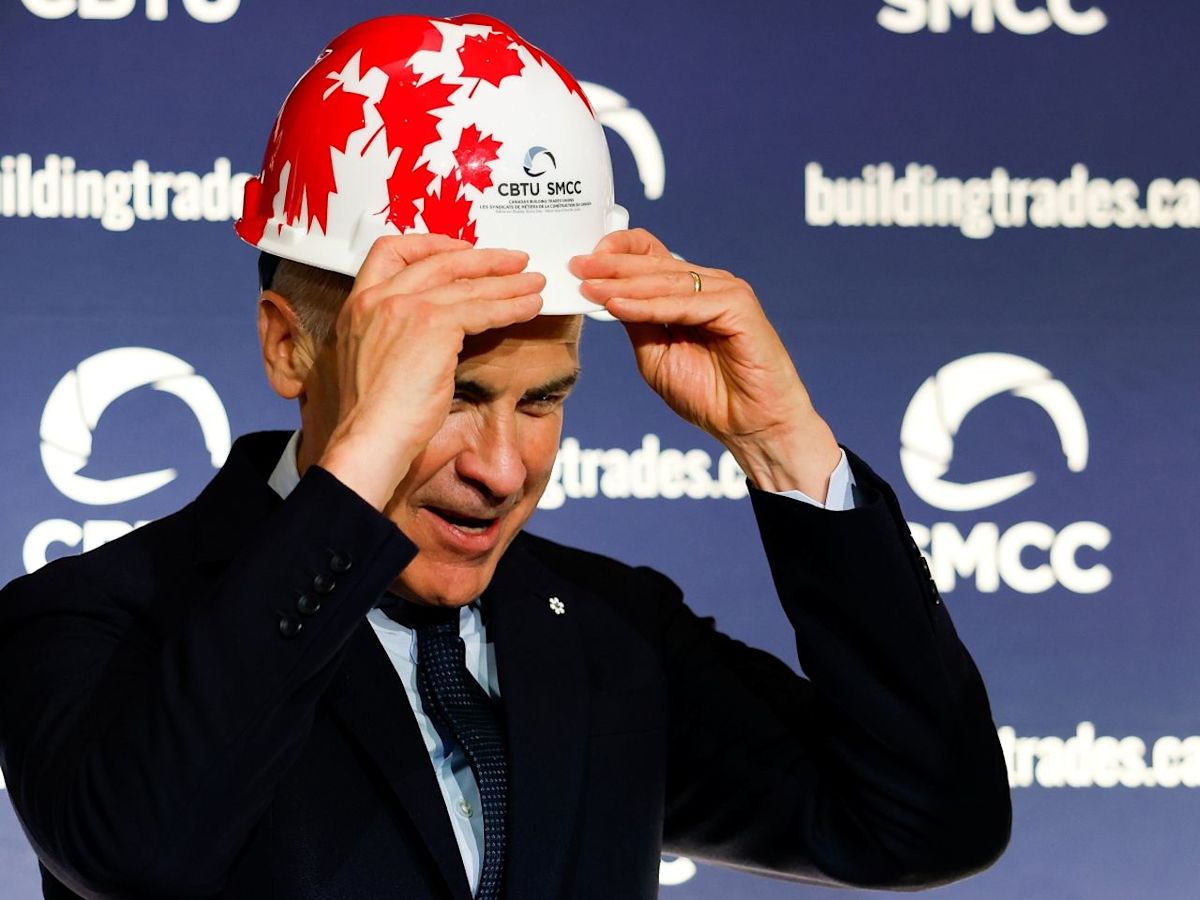
A newfound acceptance of Canadian oil and gas was revealed when Mark Carney campaigned on making Canada an "energy superpower" in the 2025 election. Many were skeptical that the federal Liberals could make the changes necessary for the oil and gas sector to grow. It became a popular joke that we were getting MOUs instead of FIDs (Final Investment Decisions). Carney was criticized for making great speeches but not progress.
It is time to acknowledge that many policies have indeed been improved and that the Canadian oil and gas sector is once again investable; competitive even. What has changed on the ground?
The term "energy superpower" was popularized by Stephen Harper in 2006 when the oilsands were emerging as an enormous, and investable, resource. The shale revolution eventually overtook oilsands growth, and the Trudeau government destroyed the investability of Canadian greenfield oil and gas projects with a series of policies that Alberta Premier Danielle Smith has coined the "nine bad laws." But when U.S. President Donald Trump called Canada the 51st state, oil and gas suddenly became popular in Canada, and the public wanted our resources to be unleashed.
Throughout 2025, the Building Canada Act (Bill C-5), Major Projects Office, and memorandum of understanding with Alberta provided a welcome shift in tone. But the first meaningful policy change the Carney government made was to "scrap the cap" in November 2025, and confirm that the federal government would not move ahead with its proposed oil and gas sector emissions cap.
While the Trudeau government never did finalize the regulations to cap and cut emissions in the sector by 35 per cent by 2030, the threat of the cap served as a sword of Damocles and pre-empted new LNG terminals and pipelines. Both Enbridge and Trans Mountain announced they would seek pipeline expansions in the month it was axed.
The next big move was to allow a carve-out of natural gas-fired electricity generation from the Trudeau-era Clean Electricity Regulations (CER). Note that electricity falls squarely in provincial jurisdiction (the regulations are being challenged in court as unconstitutional for this reason), and utilities have warned that the CER would lead to blackouts when peak demand inevitably hit on cold and dark January nights. The CER also meant Canada missed out on the first wave of global data centre investment, one of the largest infrastructure build-outs in modern history.
In the months since new natural gas generation became allowed in Canada once again, Alberta has announced a $17.6 billion AI data centre and energy project, and Saskatchewan has announced one worth $50 billion. More announcements are on their way.
Perhaps no legislation has been as hated in Western Canada as the Impact Assessment Act, or as it became known colloquially known, the No More Pipelines Act. It turned out to be a no-more-anything act, as only two projects were approved under its auspices between 2019 and 2025 (Cedar and Ksi Lisims LNG).
Furthermore, the Impact Assessment Act was determined to be largely unconstitutional by the Supreme Court of Canada in October 2023, in response to which then Environment Minister Steven Guilbeault made minimal changes, prompting Alberta to take the federal government right back to court.
There too, the Carney government has made real inroads. It has developed environmental assessment co-operation agreements with every province except Saskatchewan to achieve the objective of "one project, one review" by respecting jurisdictional lanes.
Perhaps even more consequentially, earlier this month the federal government removed in situ oilsands and natural gas power generation facilities from the IAA altogether, leaving their regulation appropriately to the provinces. It also moved oversight of international and interprovincial pipelines, which are in federal jurisdiction, to just one agency: the Canadian Energy Regulator.
At the Canada Investment Summit last week, the federal government also announced that it would allow for 100 per cent immediate expensing of most new depreciable capital property across a wide range of sectors and assets, including oil and gas, mining and manufacturing. It will make it more attractive to build things in Canada, and help address our anemic productivity and business investment per worker numbers.
Finally, this week, we got the icing on the cake. A suite of reforms introduced on Monday in Bill C-39 (the Building Canada Strong Act) addresses major projects regulation, transportation corridors and labour disruptions. Though the Major Projects Office and Building Canada Act were criticized as band-aids for the country's deep regulatory wounds, this new draft legislation looks set to fix some of our tougher problems.
The Carney government deserves credit for getting rid of many of the bad policies left over from the Trudeau era. But Canada must also have good policies to attract capital and build infrastructure. In my opinion, we are on the cusp of having that.
We have not given businesses and investors confidence that their capital will find a good home in Canada. The welcome mat has finally been put out. This is progress we should all applaud.
Related Stories
 Canada
New play space opens in park
25 minutes ago
 Canada
Motorcyclist dies after crash with car
25 minutes ago
 Canada
Saskatoon city hall gets bird friendly ahead of fall migration
25 minutes ago
 Canada
Residents prepare as Hurricane Polo threatens Mexico's southwestern coast
25 minutes ago
 Canada
Amid campaigns to loosen nicotine pouch rules, Canada’s health minister responds
25 minutes ago
 Canada
Moncton has 3rd highest per
1 hour ago
 Canada
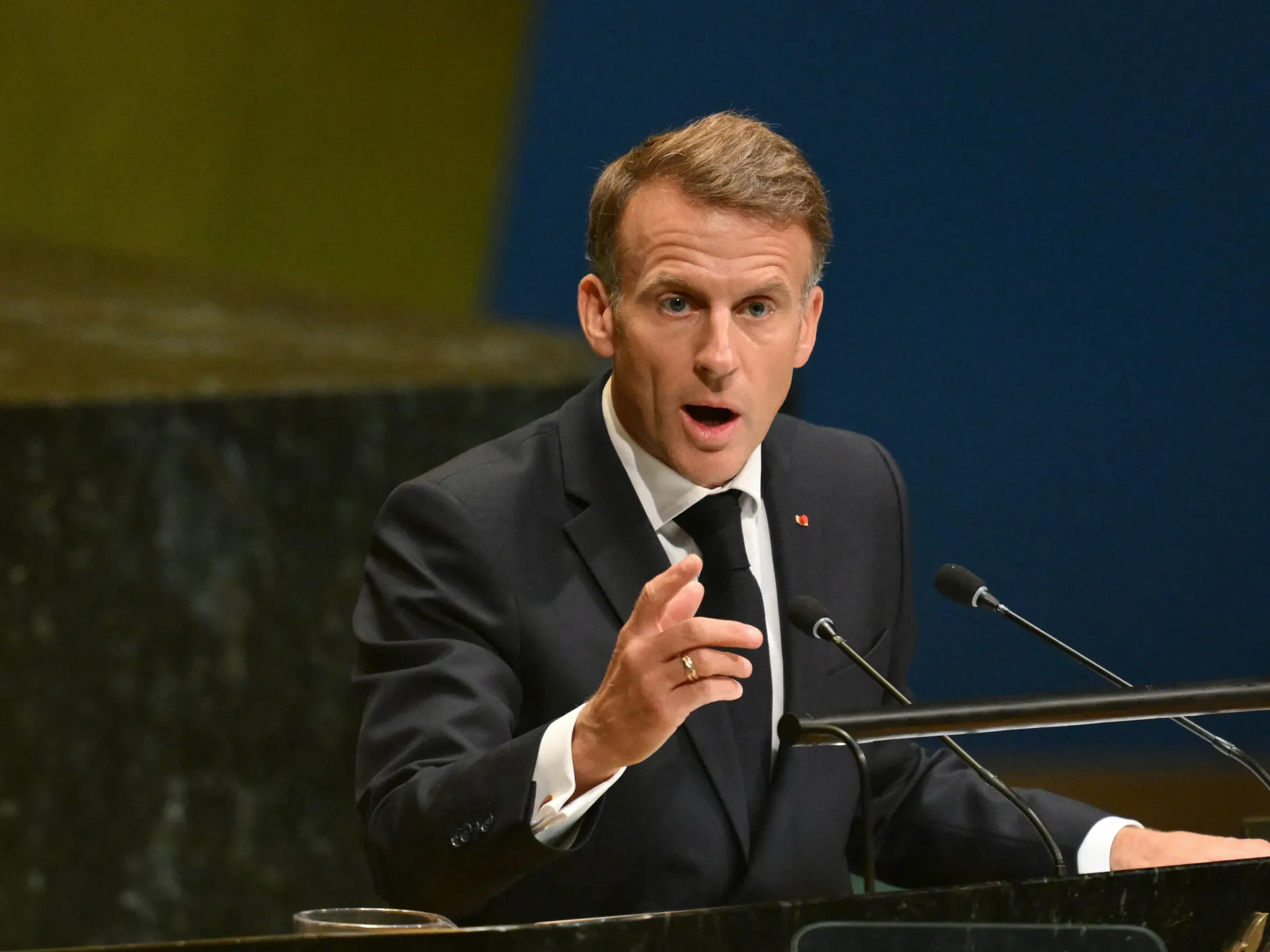
France rebukes world over Gaza as Canada, UK back Palestinian state at UNGA
1 hour ago
 Canada
Search for Parker Wells was delayed by 911 issues: City of Calgary
2 hours ago