
Hostile threat warning startup Osavul raises €8.5M
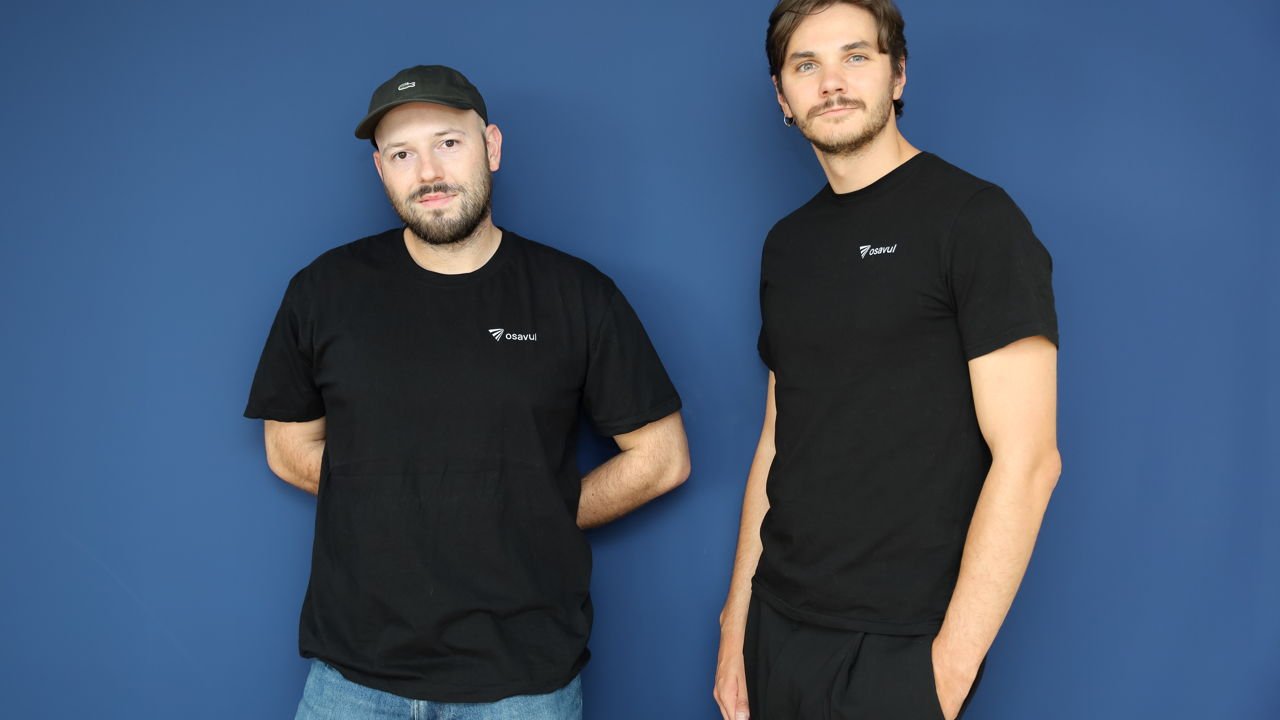
A startup launched in light of Russia’s invasion of Ukraine whose tech helps NATO and governments detect hostile threats before they escalate has raised €8.5m in a Series A funding round, it said today.
The funding round in Osavul was led by 33N Ventures, the Europe-based global cybersecurity investor, with participation from Balnord, G+D Ventures and existing investor 42CAP.
The startup has raised around €12 million in total funding. Osavul's AI platform identifies hostile activity, be it cyber threats or physical threats, before the attacks materialise. Its tech is used by NATO as well as by defence enterprises and governments. It scans large amounts of online and open-source data to detect disinformation campaigns, hostile activity and cyber threats.
It was co-founded by Ukrainians Dmytro Plieshakov and Dmytro Bilash and developed in response to Russia’s invasion of Ukraine.
Its tech is being used by NATO to provide AI tools to monitor, analyse, and interpret information across public and commercially available data sources to combat threats. The startup says it will use the funding to grow its enterprise clients and expand its government and defence work.
Dmytro Plieshakov, co-founder and CEO of Osavul, said: “Hybrid attacks are no longer a government problem alone. The companies running energy, airports, ports, transport and finance now face the same adversaries, usually without the means to see them coming. We will keep working with governments and defence, where our intelligence is forged, and bring that capability to the businesses societies rely on.”
Dmytro Bilash, co-founder and chief business development officer of Osavul, said: “We built Osavul under live operational conditions, and that experience travels. From Luxembourg we now serve customers worldwide, increasingly in regions facing conflict and instability, where the need for sovereign, multi-language intelligence is most acute.”
Related Stories
 Business
‘Trailer Park Boys’ actor Mike Smith has sexual assault charge dismissed
41 minutes ago
 Business
OfficeRnD Founder’s New Startup 1club Raises €2.2M Seed Round
2 hours ago
 Business
Anti
6 hours ago
 Business
Confido Raises $55M; CPG Margin Gains Remain Unproven
7 hours ago
 Business
Starting October 1, WhatsApp to 'stop' delivering messages from these WhatsApp Business accounts
7 hours ago
 Business
BBC paying to air shows like Suits and Schitt's Creek is illogical, MPs say
9 hours ago
 Business
Mussel farming startup eyes WA’s marine offset dollars
10 hours ago
 Business
Funding squeeze leaves startups, e
10 hours ago