
I quit Canva, moved overseas and made my startup product impossible to avoid
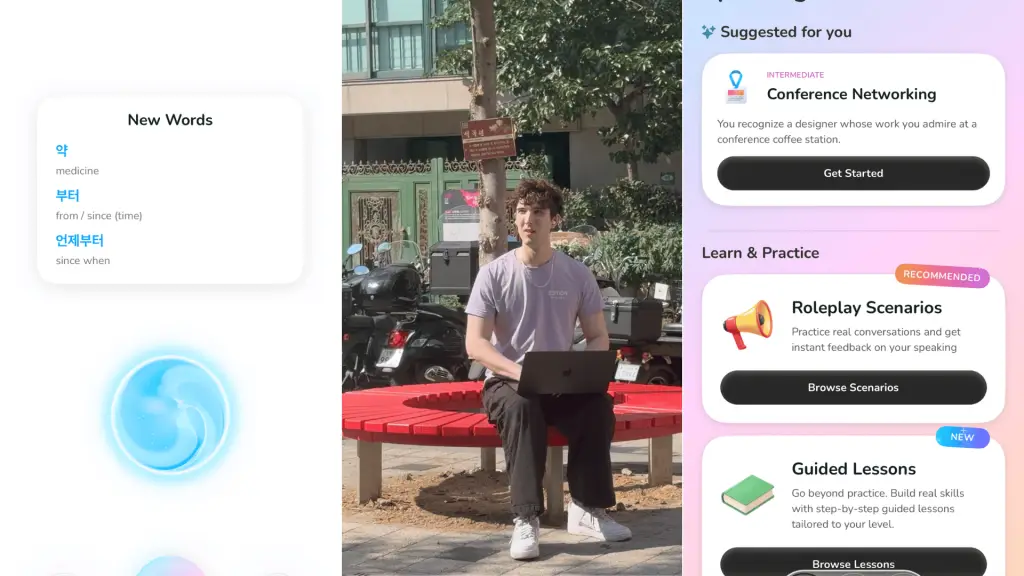
Most founders say they’re “all in”. Well, I took it to the extreme and moved to the other side of the world, making my ability to get through an ordinary day depend on whether my product actually works.
I left a lead engineering role at Canva, moved to Seoul, and now the only tool I let myself learn Korean with is the AI speaking app I’m building.
It’s not because I’m naive about the alternatives. I know exactly what every competitor does, I build against them every day. What I’ve given up is the comfort of reaching for anything other than my own product when I actually need to learn. When I want to say something in Korean and the app hasn’t taught me yet, that isn’t a bad day. It’s the most honest piece of user feedback I’ll get all week.
This isn’t a stunt. I genuinely need Korean to live here, to see a doctor, to sort out a delivery, to make friends. I’ve bet my entire life on this working, and that has turned out to be the most useful product decision I’ve ever made.
When you live the problem, real life writes your backlog. A language barrier isn’t an inconvenience, it quietly shrinks your life. Earlier this year I spent a month in serious pain with severe IBS and refused to see a doctor, because the thought of explaining my symptoms in a Korean clinic frightened me more than the illness did. A month, in genuine pain, too scared of the language to get help.
It’s no accident the app is now full of the exact situations that have tripped me up: doctor’s appointments and medical visits, sending back a wrong restaurant order I’d otherwise just eat in silence, the small daily moments where not having the words costs you something. That doesn’t mean I only build what I personally trip over; if a hundred users are stuck on something I’m not, they win. But living the problem lets me feel the difference between a real gap and a nice-to-have in a way no dashboard ever could. Most founders have to imagine their users’ pain. Mine has put me on the floor.
Going solo means owning the whole machine. Canva gave me a lot: deep technical range across the stack, and the experience of leading and managing a team. But there’s an entire engine, marketing, SEO, growth, the unglamorous work that actually gets a product in front of people, that even senior people at a big company never personally own. Overnight, all of it was mine, so I’ve thrown myself at it completely. I breathe this now. I even bought a waterproof speaker for the shower so I can keep absorbing app-marketing podcasts while I’m showering. Not a minute is wasted.
And the part that surprised me most is how freeing it is. At a big company your work is one input among thousands and the consequences are diffuse. Solo, every decision I make has a direct, immediate line to whether the business lives. There is no one to wait on and nowhere to hide. It is terrifying, and I wouldn’t trade it.
The real edge is that I’m the only one living the problem. Almost every language app is built thousands of miles from the language it teaches. Duolingo is in Pittsburgh. Speak is in San Francisco. By and large their founders are fluent English speakers who will never need the languages they sell. I build mine from inside the exact situation my users are in: in Korea, relying on Korean to get through real life. I’m not guessing where a learner loses their nerve or what actually builds the confidence to speak. I find out in real time, with real stakes, the same way my users do.
That’s an edge you can’t raise, hire, or outsource.
None of this is glamorous. It’s burning your savings, alone, building a company of one. But it works. A year ago, ordering a coffee in Korean took a quiet rehearsal in my head first. It doesn’t anymore, because the product is working on the toughest user I could give it: me.
So here’s what I’d tell another founder. Distance from your user is the most expensive thing in a startup. Plenty of people build for industries they’ve never worked in, relying entirely on what their users tell them, which is second-hand information at best. I wanted mine first-hand, so I became the user, with no way to opt back out.
Build something you genuinely need, then put yourself somewhere you can’t avoid needing it. The product gets honest very fast. So do you.
Never miss a story: sign up to SmartCompany’s free daily newsletter and find our best stories on LinkedIn.
Related Stories
 Business
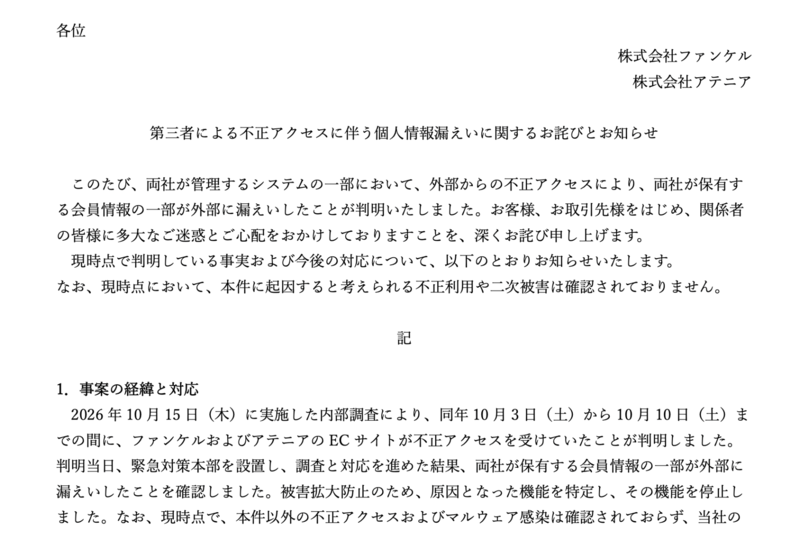
FANCL and Attenir Suffer Data Breach Affecting 780,000 Customers, Exposing Addresses, Names, Phone Numbers
1 hour ago
 Business
DeepSeek Quietly Ships V4.1-Flash
1 hour ago
 Business
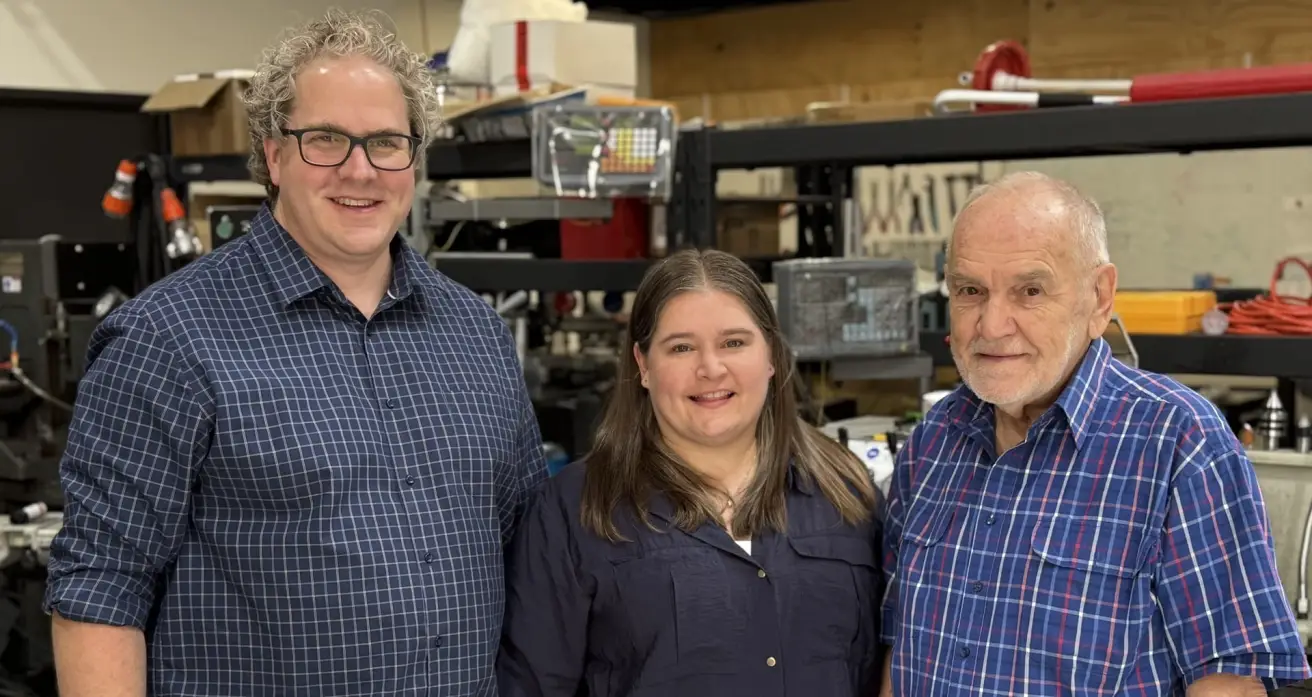
Research commercialisation hits record $336 million as government cuts funding
3 hours ago
 Business
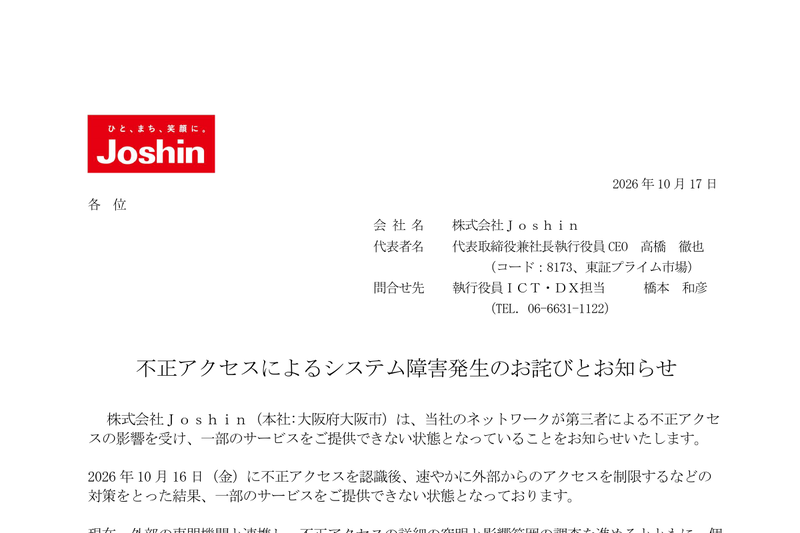
Joshin Hit by Unauthorized Access, Some Services Suspended
4 hours ago
 Business
Macron condemns rioting during nationwide day of protests
8 hours ago
 Business
Scalare Launches EquityRoom, Adding a Subscription Revenue Stream to Its Founder Ecosystem
8 hours ago
 Business
‘4,000 people minding our own business’: four decades on, Falklands again face a hostile Argentina
14 hours ago
 Business
Two RCMP officers charged after N.W.T. man died in police custody in 2025
19 hours ago