
Investor Interest in Venezuela Grows, but Capital Still Lags
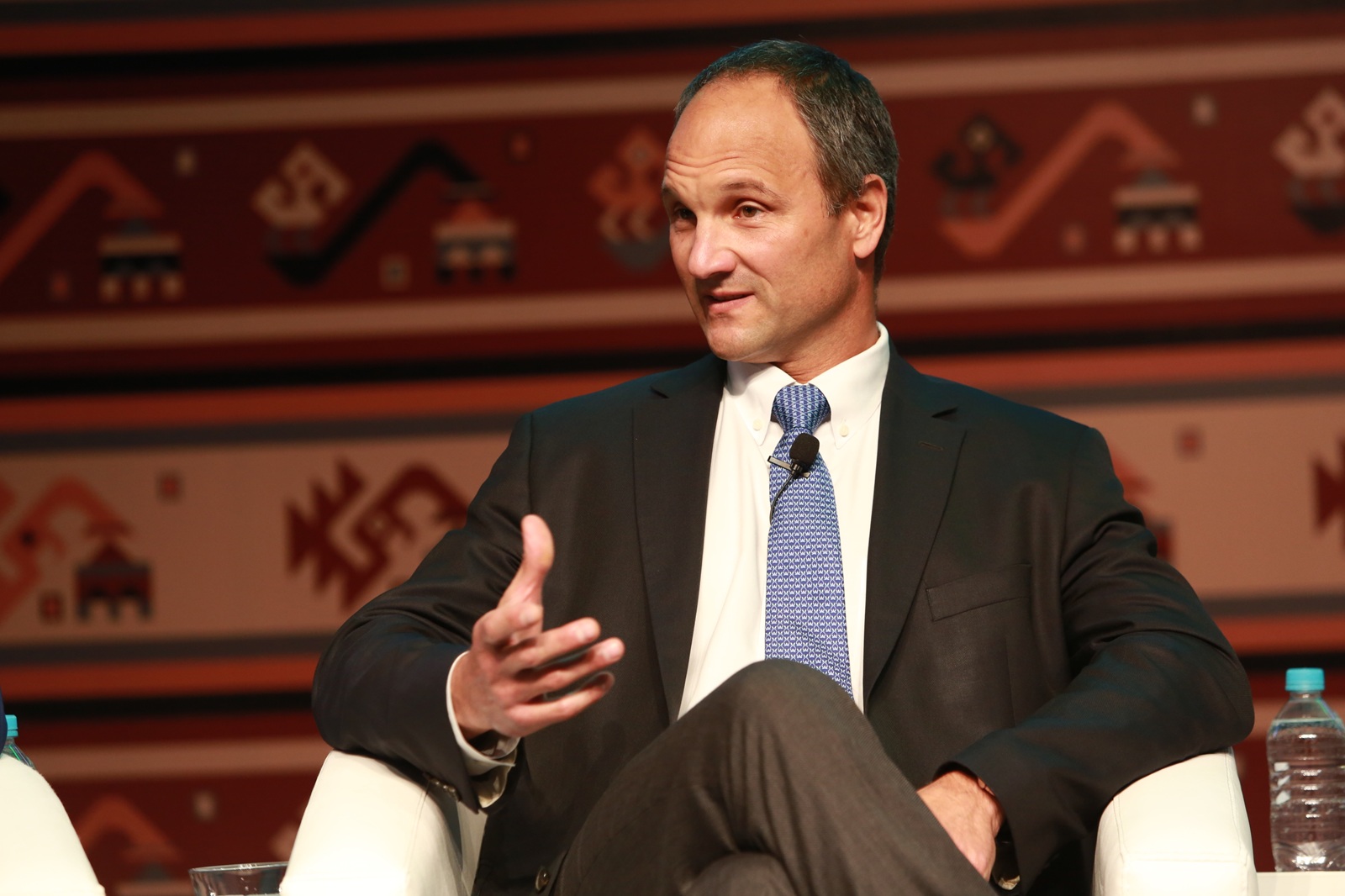
International investors are paying closer attention to Venezuelan startups in 2026, but most funds examining the country have yet to commit significant capital, according to Esteban Torbar, founder of the StartUp Venezuela Summit. Torbar said most funds remain in a “mapping phase” rather than a deployment phase, describing 2026 as a year of diagnosis and predicting that larger checks could begin arriving in 2027.
The shift marks a change from previous years, when investment funds often backed Venezuelan founders only after those entrepreneurs established companies in markets such as Mexico or the United States, avoiding businesses whose revenue depended primarily on Venezuela itself. “Venezuela wasn’t an investable geography, it was a nationality,” Torbar said.
That distinction is beginning to change as investors examine opportunities inside Venezuela’s domestic market, particularly in startups serving consumers and businesses. Cashea provides the clearest example so far, raising US$100 million during 2026 through a US$40 million Series A in March and a US$60 million Series B in June. The combined funding represents the largest amount raised by a Venezuelan startup, surpassing the US$47 million Yummy raised in 2021. Torbar sees that result, along with new startup funding, returning businesses and increased activity from international executives, as evidence that Venezuela’s investment landscape is beginning to move beyond observation toward potential deployment.
Signs of momentum for Venezuelan startups and business
Cashea’s success illustrates the broader shift Torbar describes, since the platform now serves more than 10 million users, over half of Venezuela’s entire adult population, working alongside more than 40,000 participating merchants nationwide. Torbar pointed to several additional signals supporting his optimism throughout 2026, starting with February’s reopening of Venezuelan airspace, which brought airlines including Avianca, American Airlines, LATAM, and Air Europa back into regular service.
In August, Fina, a Venezuelan administrative management platform for small and medium businesses, raised a US$1 million oversubscribed seed round co-led by Square One Capital and Tomorrow Capital, drawing additional participation from Brazil’s Norte VC, Chile’s Platanus Ventures, and Colombian fintech Bold’s Jorge Ulloa as an angel investor.
Colombian companies have also started returning to Venezuela directly, since Nutresa tripled its monthly exports to nearly US$3 million by February before acquiring the Tío Rico ice cream brand, while Vélez launched a franchise expansion, Mario Hernández and Corona are reactivating operations, and Grupo Argos is evaluating its own potential return.
Torbar’s own Hotel Cayena, a 47-room boutique property in Caracas, offers a tangible measure of this shift, since occupancy that once hovered near 20% now regularly fills with energy executives, fund managers, bankers, and restructuring advisors traveling specifically to assess the country’s investment potential firsthand.
ÚLTIMA HORA | Donald Trump destaca millonarias inversiones petroleras en Venezuela: “La situación es asombrosa”.“Tenemos a las compañías más grandes del mundo: estadounidenses y otras entrando y ha sido asombroso. La gente nunca ha visto nada igual” https://t.co/p4dJ6Cwx8e pic.twitter.com/HLr2u8zy8z
Why investment capital still hasn’t arrived
Torbar sees genuine opportunity within a market of roughly 28 million people where sectors like consumer credit, payments, logistics, health, education, and small-business software still lack established digital leaders, while the economy’s de facto dollarization lets investors measure customer acquisition costs and generated value directly in dollars, comparing Venezuelan companies against equivalents in Colombia or Mexico.
Reconstruction following the June 24 earthquakes adds further demand, since the United Nations Development Programme estimates direct damages at US$6.7 billion, opening opportunities across construction, energy, insurance, logistics, health, and credit. Significant obstacles remain, though, since Venezuela still lacks any local angel investor or venture capital industry, making that crucial first check the market’s primary bottleneck, and no startup has yet achieved a relevant sale proving investors can genuinely secure returns.
Difficulty accessing the international financial system, unreliable electricity and connectivity, inflation projected near 385%, scarce reliable statistics, and a shortage of executives experienced in scaling companies compound those challenges further. Torbar compares Venezuela’s current ecosystem to where Colombia stood around 2011 or 2012, and for Colombian investors specifically, he highlighted the less-than-two-hour flight from Bogotá and shared language, while cautioning firmly: “I wouldn’t ask a Colombian investor to invest in Venezuela. I’d ask them to come see it themselves, with their own judgment, before everyone else looks.”
See all the latest news from Colombia and the world at ColombiaOne.com. Contact our newsroom to report an update or send your story, photos and videos. Follow ColombiaOne on Google News, Facebook, Instagram, TikTok and subscribe here to our newsletter.
Related Stories
 Business
Pepperdine Graziadio Business School’s Most Fundable Companies of 2026
1 hour ago
 Business
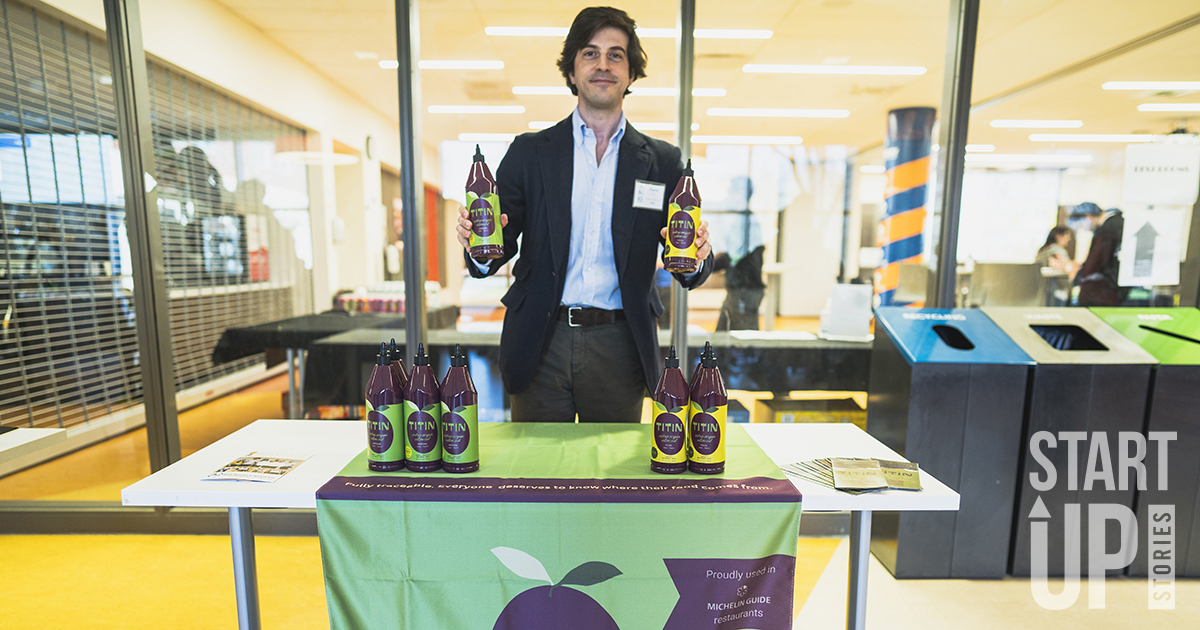
How Daniel Danes MBA’24 Built an Olive Oil Business · Babson Thought & Action
5 hours ago
 Business
South Carolina Research Authority Receives Grant From SBA
7 hours ago
 Business
Why Strategic Corporate Governance is Crucial for Startups Expanding into Malaysia
9 hours ago
 Business
GoHub Ventures invests in Swiss biotech startup Prevision Medicine
10 hours ago
 Business
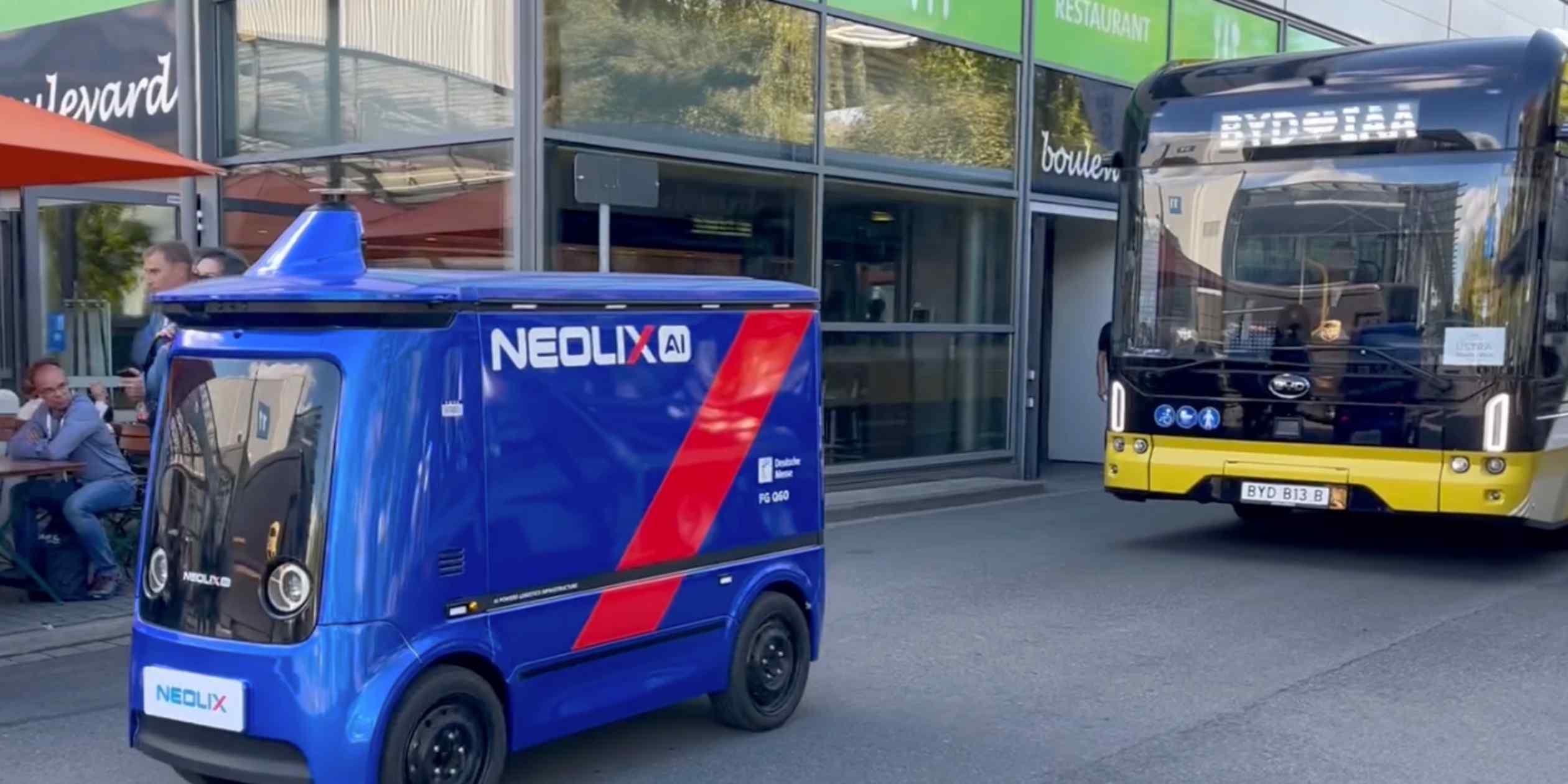
Chinese startup Neolix to test robovan in Belgium, seeks EU growth
10 hours ago
 Business
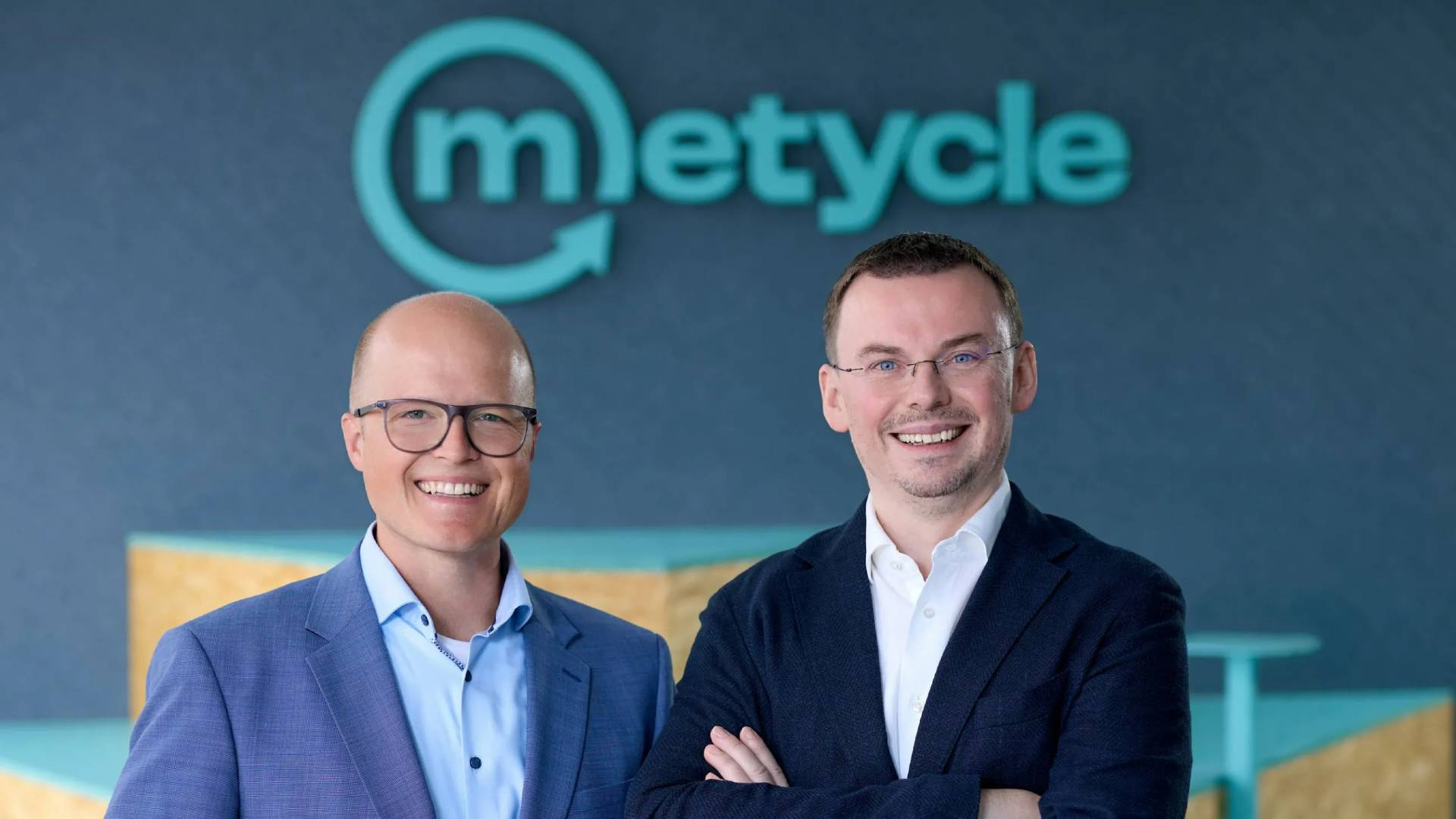
Cologne-based Metycle secures €129 million credit facility to scale secondary copper and aluminium supply
10 hours ago
 Business
Fugro Adds More Survey Work Off Timor
10 hours ago