
IRCC’s latest processing times

Immigration, Refugees and Citizenship Canada (IRCC) has updated its processing times for applications for study permits, work permits, visitor visas, permanent residence, and citizenship applications.
We'll compare the latest processing times, available as of September 10, 2025, to figures from July 23, 2025.
See your eligibility for all Express Entry streams
Temporary residence applications
*Processing times provided in the table are for initial study permits for inside Canada. Extensions are currently processed within 163 days as of the latest processing times.
The service standard for study permits inside Canada is four months; for outside Canada, two months.
Work permit applications made from outside Canada have a service standard of 60 days, with the exception of International Experience Canada (IEC)* work permits, which have a standard of 56 days.
*The IEC allows youths from certain countries who have bilateral youth mobility agreements with Canada to access easier work permits. Visit our dedicated webpage to learn more.
Visitor visa applications from outside Canada have a service standard of 14 days.
Super visa applications have a service standard of 112 days.
All Express Entry streams have a service standard of 6 months.
The standard for PNP applications is the processing time after a successful nominee has applied to IRCC.
*Processing times for base streams can vary based on when an applicant submits their complete application.
Atlantic Immigration Program (AIP)
Applications for sponsorship of a spouse or common-law partner living outside Canada have a service standard of 12 months. Other streams in the table above do not feature a service standard.
Prior processing times and processing times by place of application were not available for dependent child sponsorship.
Understanding processing times and service standards
Processing times are IRCC’s prediction of how long it will take to process a new application if it were submitted on the current day. IRCC calculates processing times on the basis of historical data along with data on its current inventory of applications.
Processing times start when a complete application is received and end when a decision is reached.
Processing times come in two forms:
Historical processing times are based on how long it took IRCC to process 80% of a specific kind of application in the past.
Forward-looking processing times are based on IRCC’s current inventory, specifically the total number of each kind of application the department still has to process, and the number of applications it expects to process in a given month.
Depending on which kind of application you inquire about, you may see either the historical processing time or the forward-looking processing time. Only the current lines of service use forward-looking processing times:
Service standards, on the other hand, are IRCC’s commitment to process an application of a certain kind, under “normal circumstances.” IRCC aims to process 80% of applications within service standards, allowing that 20% of applications will require additional time due to complexity or other factors. Unlike processing times, service standards are not updated regularly, nor are they available for all of IRCC’s lines of service.
Related Stories
 Canada
Albertans head to polls in historic referendum on whether they want to stay in Canada
5 days ago
 Canada
In the news today: four soldiers killed, Alberta referendum, AI privacy fears
5 days ago
 Canada
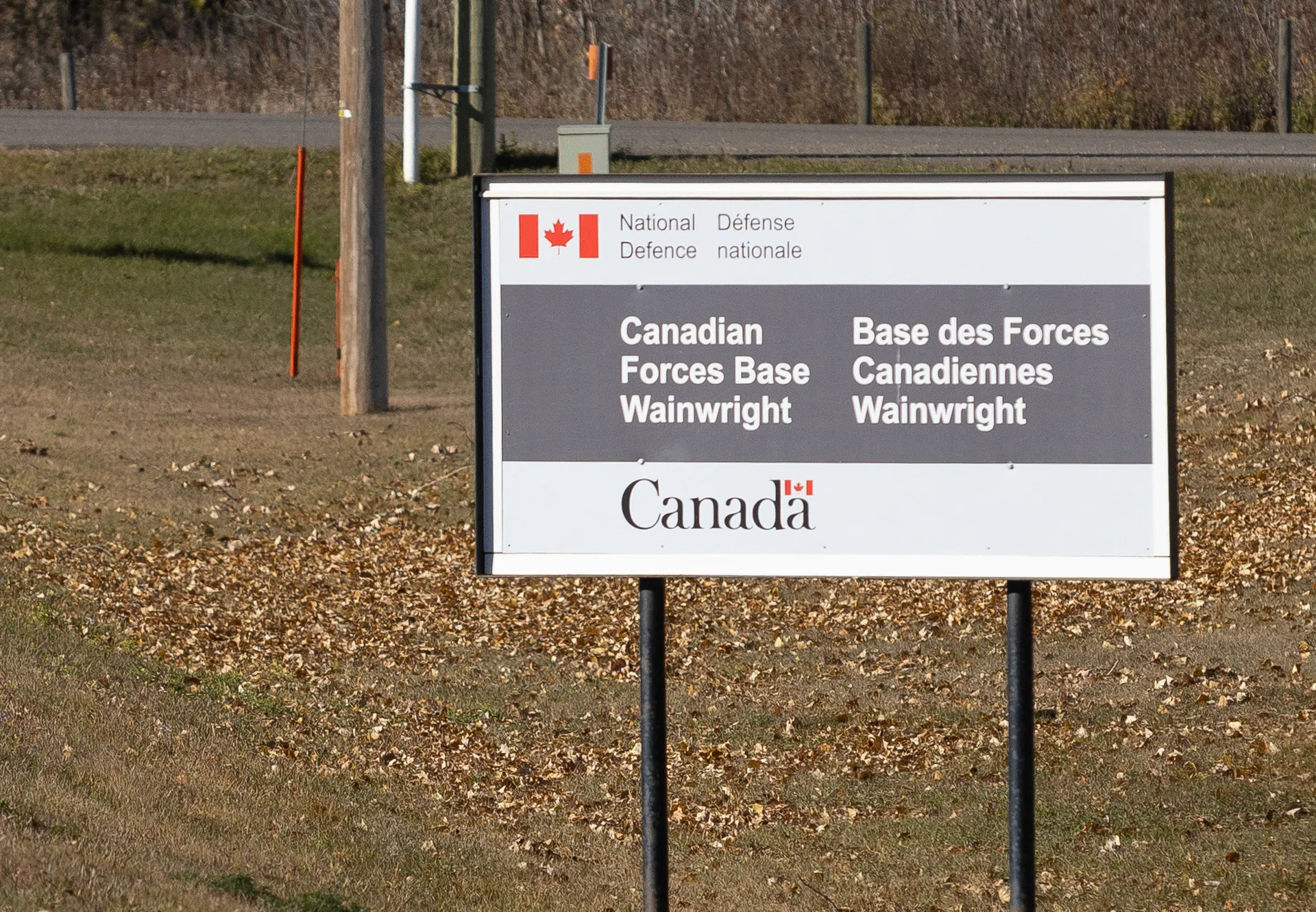
How a grass fire at a Canadian military base killed four soldiers
5 days ago
 Canada
How will household electricity rebate reduction, temporary winter pricing change impact Ontarians?
5 days ago
 Canada
Residents told to boil tap water due to bacteria
5 days ago
 Canada
Oil
5 days ago
 Canada
Albertans vote on path to independence as Carney fights to keep Canada united
5 days ago
 Canada
Two of 4 soldiers killed in fast
5 days ago