
Kamal Mitra Chenoy: JNU professor’s education, career and why he is in the news?
Kamal Mitra Chenoy: JNU professor’s education, career and why he is in the news?
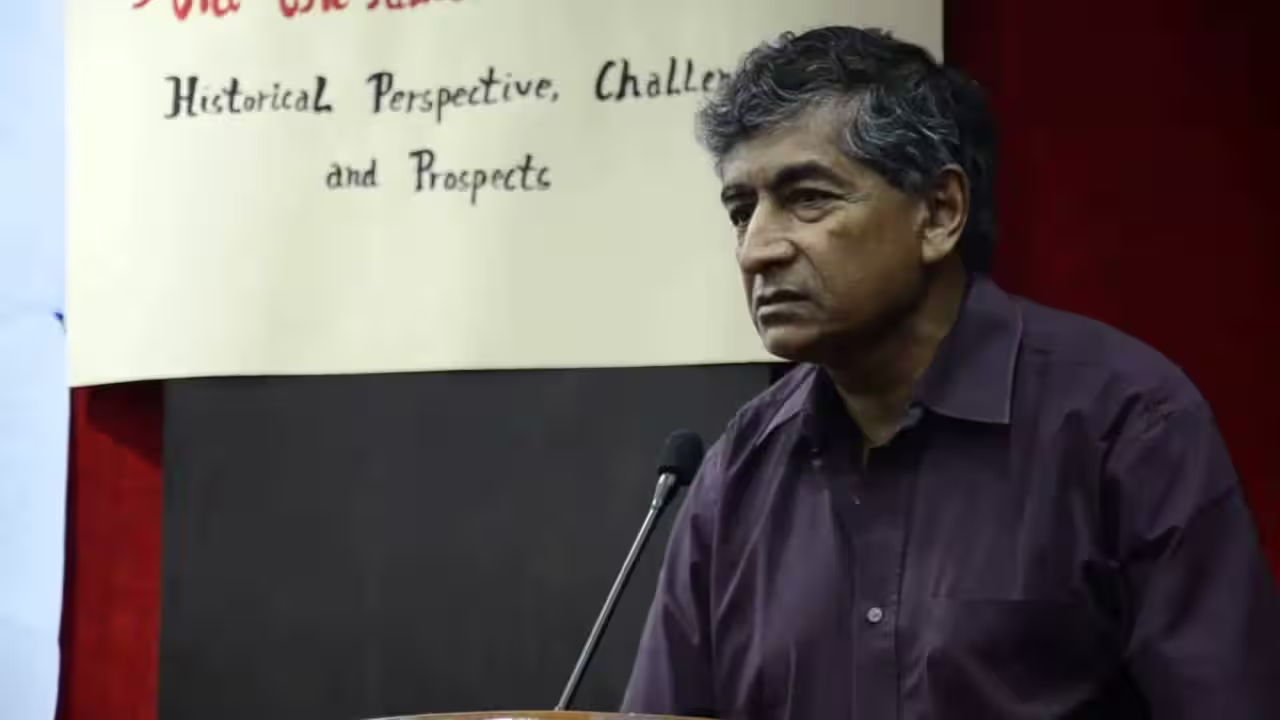
Kamal Mitra Chenoy, a former professor at Jawaharlal Nehru University (JNU), died at 75. Chenoy is remembered as a scientist, teacher and human rights activist. Chenoy spent years studying Indian politics and talking about secularism, democracy and the rights of religious minorities.
Chenoy's life went beyond university classrooms from student politics to fact‑finding missions after violence he believed that academic work should help people understand the society they live in.
Kamal Mitra Chenoy, also known as Kamal Aron Mitra Chenoy was a political scientist who taught at JNU’s School of International Studies. According to his JNU’s profile he held a PhD and specialised in comparative politics and political theory.
He studied Economics at Delhi University’s Kirori Mal College and got involved in student politics.
Later he joined JNU in 1972 to build an academic career there. Chenoy served as a professor at the Centre for Comparative Politics and Political Theory, also chaired the centre and retired in 2018. He also taught at Indira Gandhi National Open University (IGNOU) alongside he was a visiting scholar at Columbia University, in the United States according to reports.
Chenoy died in Delhi on October 10, 2026 at the age of 75. However, his death was reported by news organisations on October 12 . The news of his demise has brought renewed attention to his contribution to thought, human rights work and public debates on secularism.
He was known for participating in fact-finding efforts following violence, including the 1984 anti-Sikh riots and the 2002 Gujarat violence. This work involved documenting incidents, listening to affected people and examining questions of justice and accountability.
His supporters remember him as someone who believed that a democracy must protect people across social backgrounds. His work also attracted debate because his views on communalism, minority rights and Indian politics were often politically contested.
One of the themes in Chenoy’s work was about secularism. In simple words secularism means that the state should not treat citizens unfairly because of their religion.
In India, the idea is closely connected to equality and the right to practise and profess one's faith.
Chenoy argued that secularism was not simply about tolerance between communities but an essential part of democracy itself. In his view, a country as diverse as India could not be understood through a single religious identity.
His writings explored how religion, caste, class, gender and regional differences shape society.
He believed that protecting minorities was not separate from protecting democracy but a part of it. These views placed him in the middle of debates about nationalism, citizenship, constitutional rights and the relationship between religion and politics.
Chenoy's political engagement began during his graduation years. At Kirori Mal College, he became involved in student politics with the Left ideology. He was associated with the All India Students’ Federation (AISF), the student organisation linked to the Communist Party of India (CPI).
He later became a prominent figure in JNU's student and academic life by serving as president of the JNU Teachers’ Association thrice and remained associated with the CPI for around four decades before joining the Aam Aadmi Party (AAP) in 2014.
Beyond party politics, he took part in social movements and public campaigns. In 2006, he joined activist Medha Patkar's protest against the Sardar Sarovar Dam project. He also worked on issues related to human rights, sustainable development and employment guarantees.
His career shows how a university professor could contribute to public debate through research, writing, activism and engagement with social movements.
Kamal Mitra Chenoy’s life shows students how education can go beyond degrees and job titles. His work brought theory into real-life situations. He asked how laws, institutions and government choices impact people?
Chenoy’s journey also shows why it is important to look at sides before deciding what to believe.
Topics like secularism, minority rights and democracy can be tricky. To understand them one needs facts, history and thoughtful conversation. For students studying science, journalism, law and public policy his work offers a way to see how the Constitution connects to daily life.
Kamal Mitra Chenoy’s legacy will keep being discussed as is often true with thinkers who mix politics and ideas. But his life raises a question for students and citizens: how can a democracy protect everyone’s rights while respecting the many differences in the country?
Related Stories
 Education
French police detain teen pupil suspected in school shooting in which 2 were wounded
1 day ago
 Education
Mum of disabled girl tells of 'fight' for childcare
1 day ago
 Education
PTM politics hots up; teachers say education taking back seat
4 days ago
 Education
(1) French high school protests continue despite PM’s promise of action
5 days ago
 Education
French police suspend use of stun grenades at school protests as minister rejects accusations of brutality
5 days ago
 Education
Ukrainian school children study at huge shelter
6 days ago
 Education
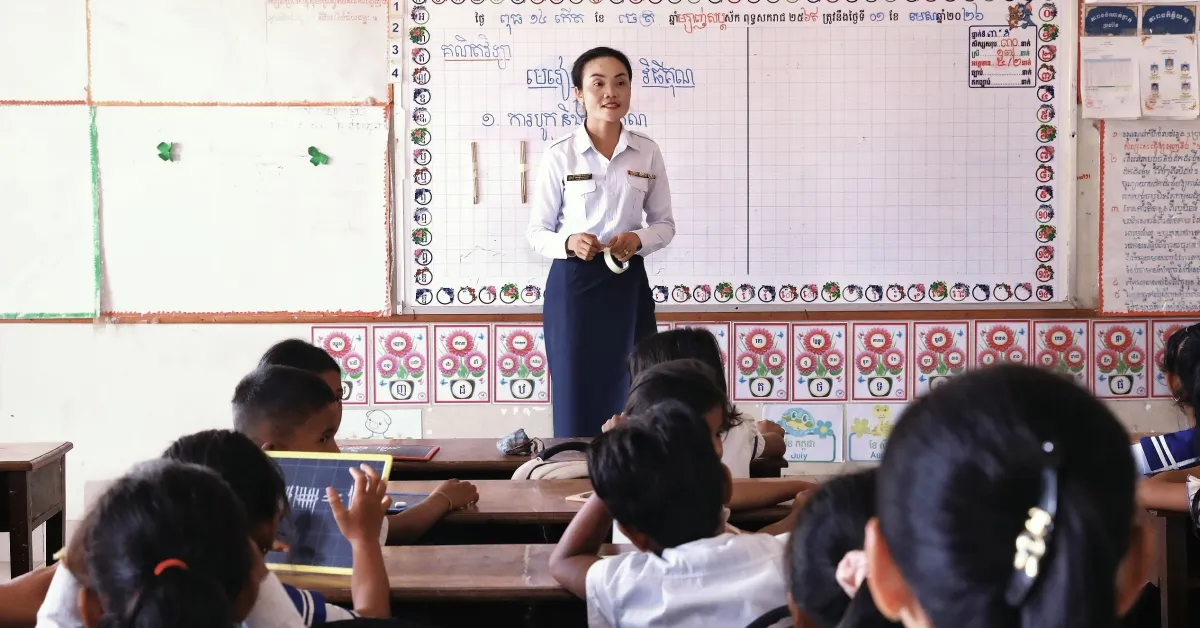
On World Teachers' Day, Cambodia Ministry of education and UNESCO
6 days ago
 Education
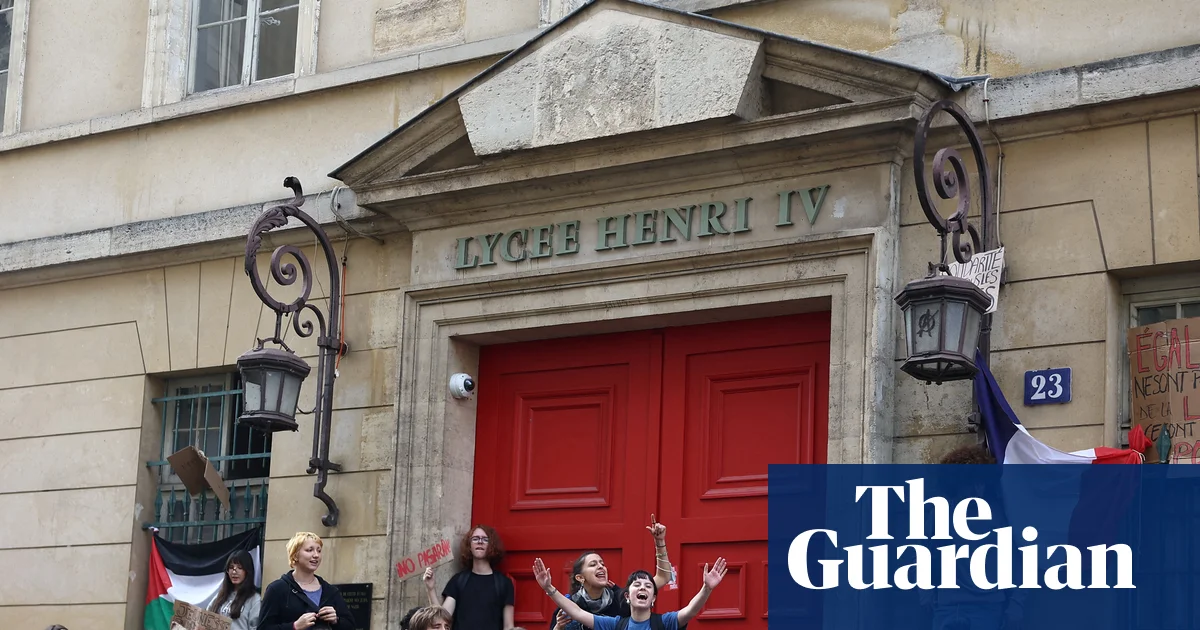
How dilapidated are French schools and how bad is inequality in the education system?
6 days ago