
'Life behind each name': Victoria monument honours Japanese Canadians interned during WW2
‘Life behind each name’: Victoria monument honours Japanese Canadians interned during WW2
Published 4:21 pm Saturday, October 3, 2026
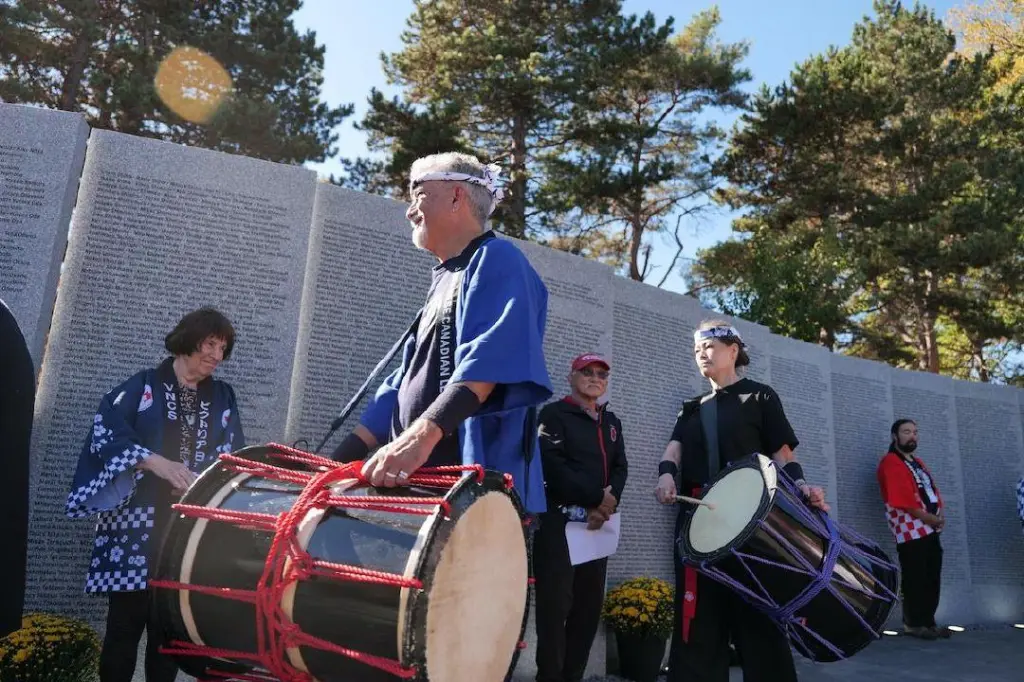
A sprawling new monument just minutes from the B.C. Legislature honours the Japanese Canadians interned during the Second World War.
“A monument does not restore homes, businesses, fish boats, property or years that were taken, but it can make a positive record permanent,” said Japanese Canadian Legacies Society, President Paul Kariya. “Here in granite, in the provincial capital, the names of those who were uprooted will endure.”
The centrepiece of the monument, located at 839 Academy Close in Victoria, is a 300-foot-long wall consisting of 100 granite panels showing the names of the nearly 22,000 Japanese Canadians uprooted during the Second World War and the more than 3,000 children born between 1942 and 1949.
During the Second World War, which saw Canada in 1941 declare war against Japan after it attacked Pearl Harbour, a wave of actions targeted Japanese Canadians. Overnight, homes, businesses and possessions were seized, and communities were emptied as Japanese Canadians were either taken to internment camps or exiled to Japan.
“Given as little as 24 hours to leave, many were displaced from the West Coast and never returned,” explained Haiqa Cheema, Assistant Deputy Minister of the B.C. Ministry of Attorney General. “These policies separated families, severed people from their communities and culture and forced thousands into unsafe working and living conditions, resulting in lasting harms, including serious health impacts.”
In 1945, after the Second World War had drawn to a close, the government gave Japanese Canadians two choices: move east of the Rockies or be banished to Japan. Those who remained were forced to rebuild their lives. Japanese Canadians were later granted full rights of citizenship, including freedom of movement within Canada, but less than half of these people returned to B.C.
“We cannot change this history, but we can acknowledge it, learn from it and take responsibility for ensuring that it is remembered,” added Cheema. “It is also a commitment to recognition, intergenerational healing, education and the ongoing work of confronting racism and xenophobia.”
On Saturday, Oct. 3, hundreds gathered at the monument to pay their respects as a procession laid chrysanthemums below panels, while others cried as speakers recounted the difficult history Japanese Canadians endured in this province. One of those in attendance was Consul General of Japan Yoshiaki Takahashi, and he explained the monument isn’t just about remembrance.
“Let us imagine the life behind each name,” he said. “If we do that, this monument becomes much more powerful, and I believe that power can help us build a society where people can live with dreams, with hopes and with confidence in the future.”
Funding for the project came in 2022 from a $100-million redress package aimed at providing recognition of historical wrongs committed by the province against Japanese Canadians during the Second World War.
“It was a cruel, racist act, and the injustice still resonates today,” then Premier John Horgan said at the time. “We are committing this new funding to honour the legacies of Japanese Canadians, to continue the healing of intergenerational trauma and to serve as an important reminder of this dark chapter in B.C.’s history.”
Related Stories
 World
World
Houthis claim successful strike on Saudi oil company
6 minutes ago
 World
World
World Grand Prix: Luke Humphries beats James Wade to secure final showdown with Gerwyn Price
6 minutes ago
 World
World
Constellation, Amazon agree nuclear-focused power purchase deal - world
1 hour ago
 World
World
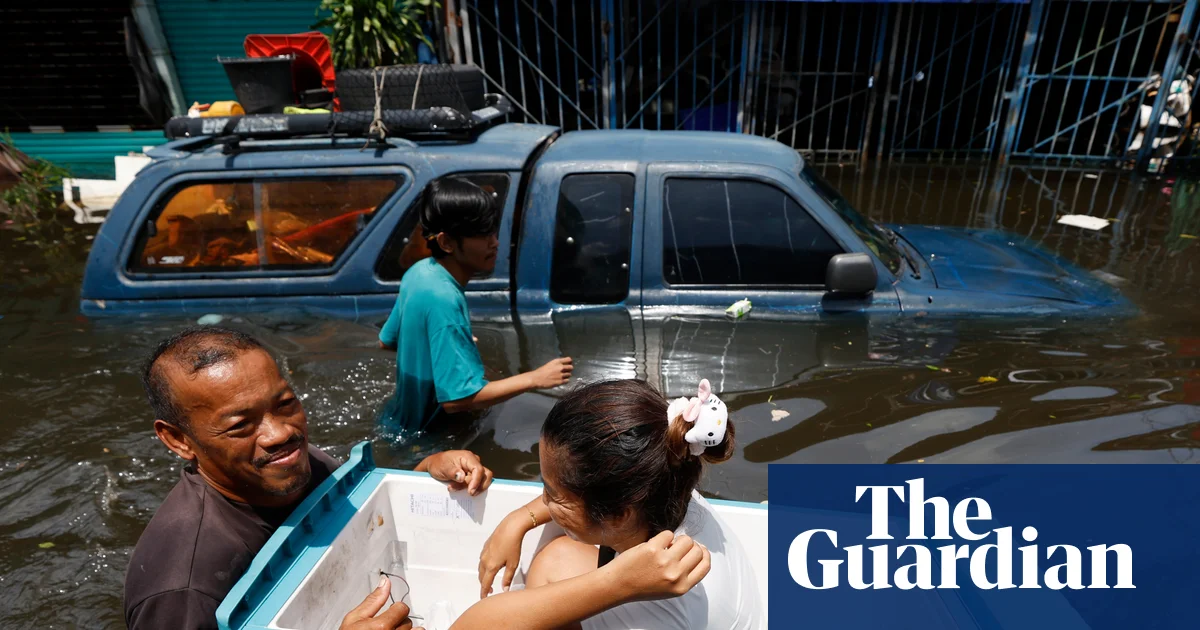
Bangkok at breaking point as floods turn streets into stagnant lakes
2 hours ago
 World
World
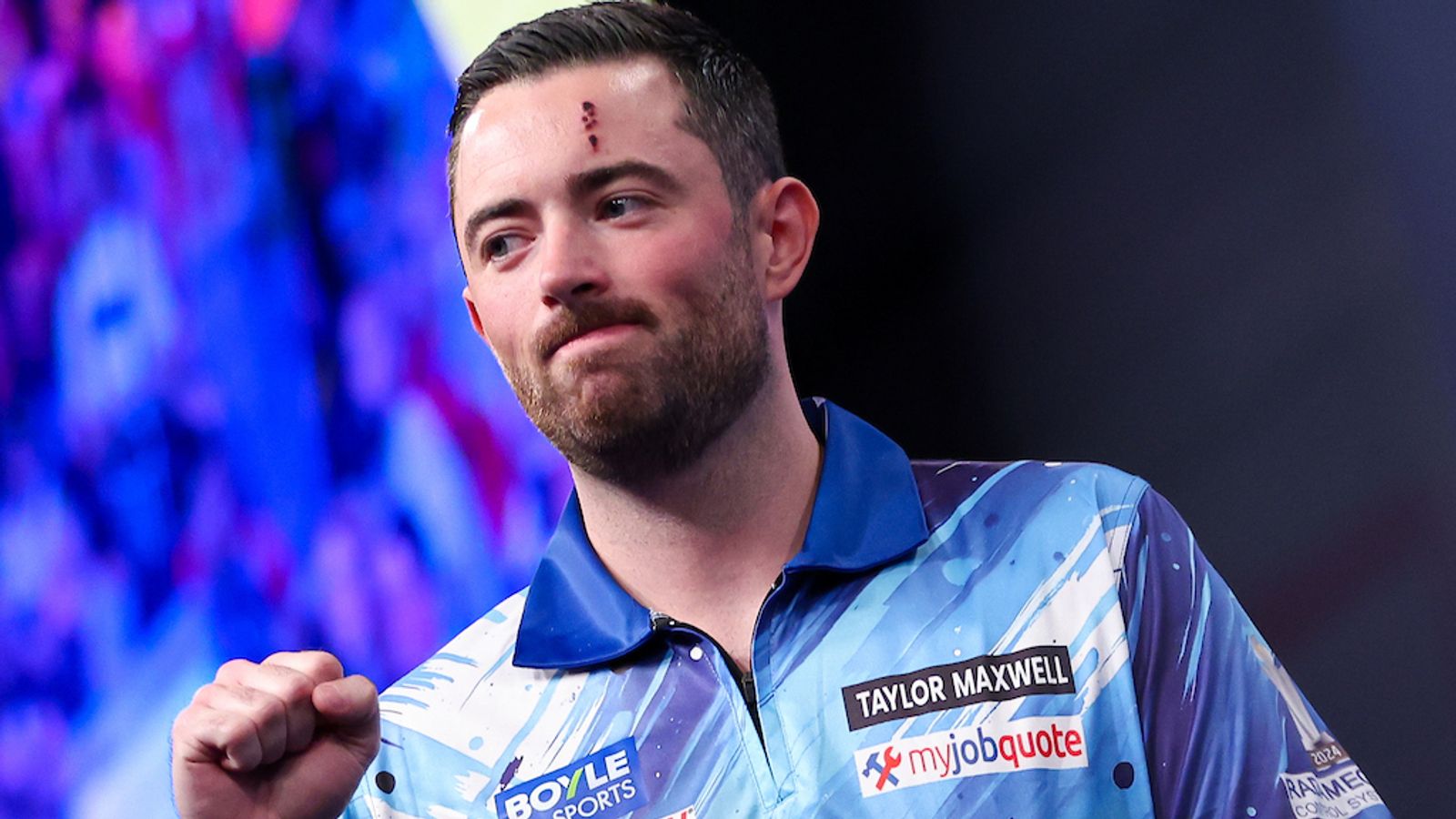
World Grand Prix Darts: Luke Humphries to face Gerywn Price in Sunday's final in Leicester, live on Sky Sports
2 hours ago
 World
World
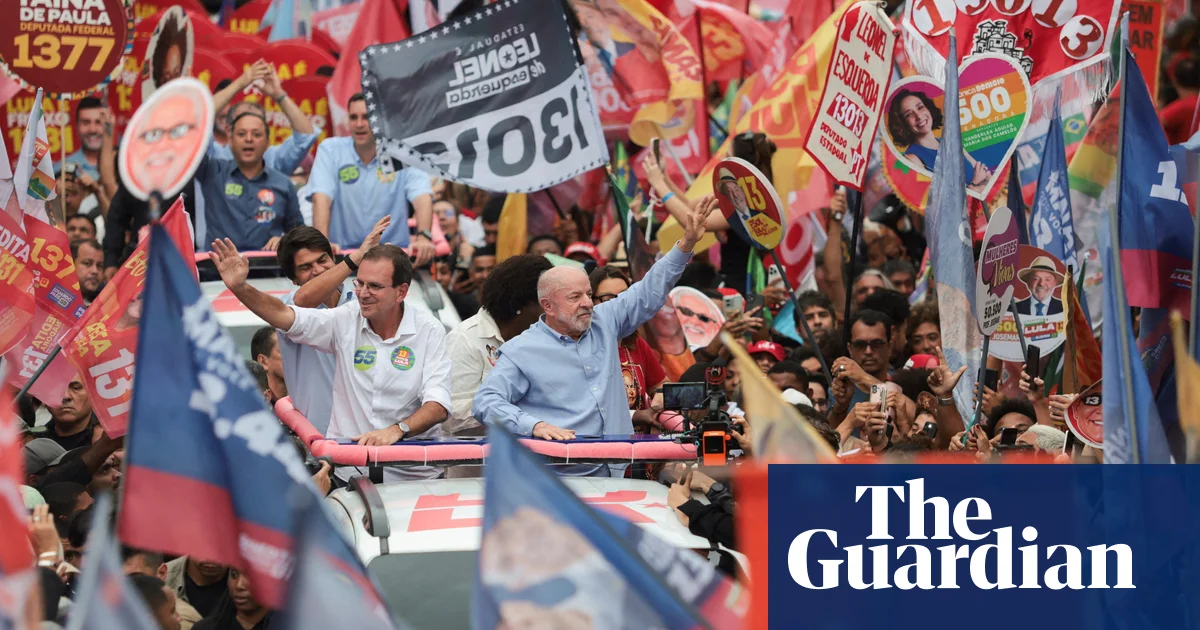
Brazil’s neck-and-neck election offers test for growing pro
2 hours ago
 World
World
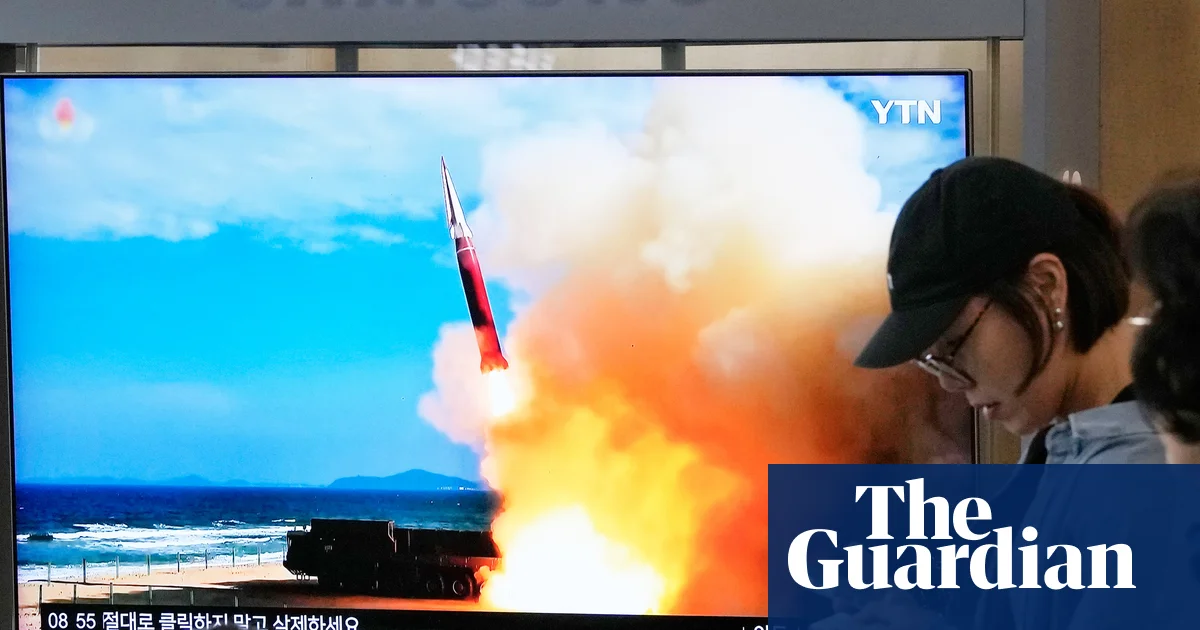
North Korea launches ballistic missile after Seoul demands apology over wounded soldiers
2 hours ago
 World
World
Exclusive: Al Qaeda images posted on Flydubai suspect Hammami’s social media
3 hours ago