
Lufthansa expands AeroSHARK ‘shark skin’ technology to Airbus A330
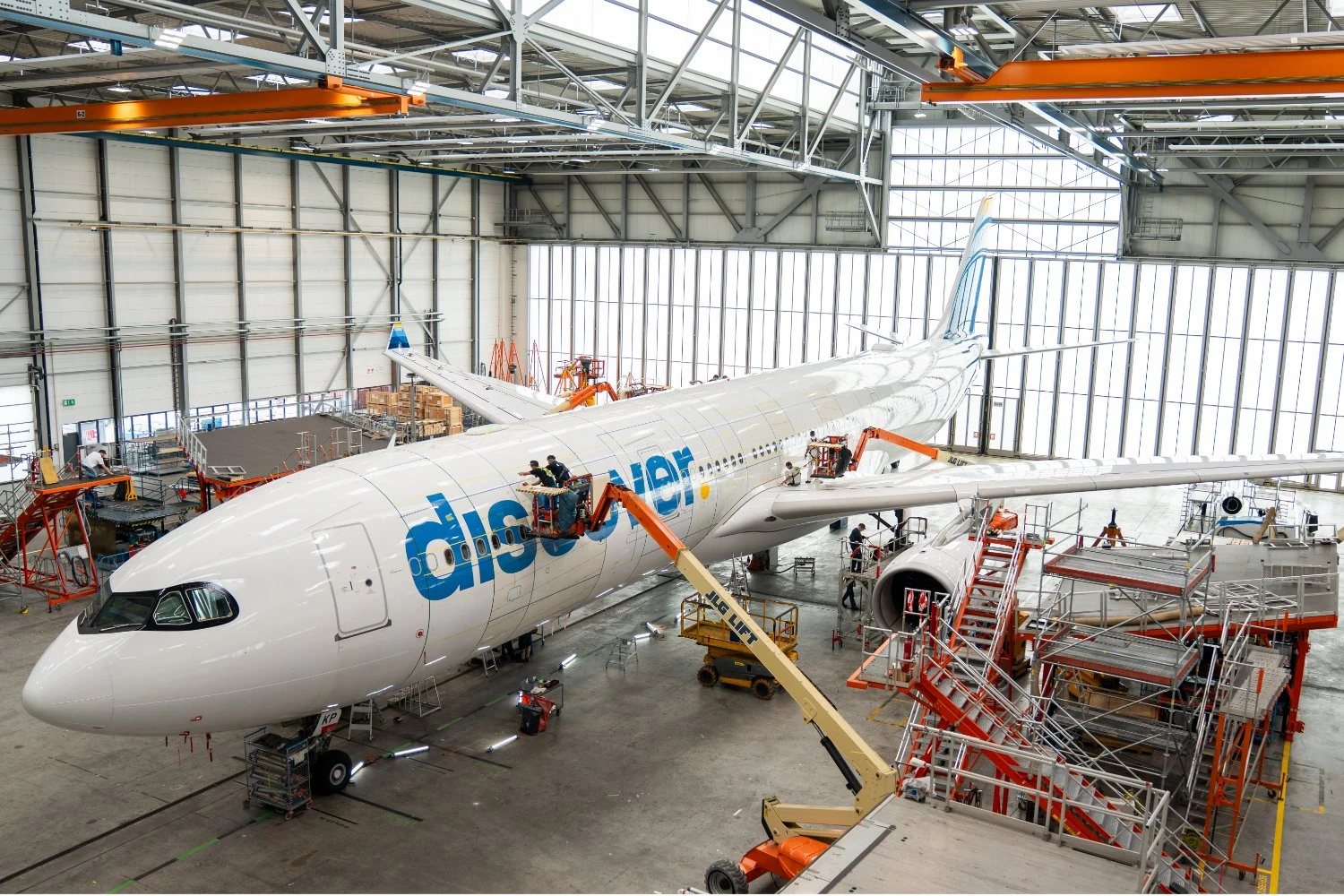
Lufthansa Group is preparing to expand the use of its AeroSHARK drag-reducing “shark skin” technology to the Airbus A330, with a Discover Airlines A330-300 becoming the first Airbus aircraft to receive the surface film.
Lufthansa Technik entered the final phase of supplemental type certification (STC) for AeroSHARK on the A330-200 and A330-300 at the end of August. The Discover aircraft is being used for a series of test flights before and after installation of the film at Elbe Flugzeugwerke in Dresden.
Follow Air Data News: WhatsApp | Instagram | LinkedIn | Twitter | Facebook
Certification would open another large long-haul fleet to the technology, which is already approved for the Boeing 777F, 777-300ER and 777-200ER.
AeroSHARK was developed by Lufthansa Technik and Surventis, formerly BASF Coatings. Its surface incorporates microscopic grooves known as riblets, modeled on the structure of shark skin and aligned with the airflow to reduce frictional drag.
The riblets are about 50 micrometers high. Applied to the fuselage and engine cowlings, the film currently reduces fuel consumption and CO2 emissions by around 1% per flight, according to Lufthansa Technik.
Lufthansa Group had 22 aircraft equipped with AeroSHARK as of August 2026. The company estimates that this fleet saves around 19 metric tonnes of kerosene and approximately 60 metric tonnes of CO2 per day.
The technology has so far been concentrated on Boeing 777s. Extending certification to the A330-200 and A330-300 would allow Lufthansa Technik to offer it for another widely operated generation of long-haul aircraft.
The certification process is being conducted with the European Union Aviation Safety Agency (EASA) and includes technical documentation, ground and flight testing and final in-service validation.
Lufthansa Technik said the current A330 certification phase is supported by Mastercard under a sustainability partnership with Lufthansa Group.
Development is also moving beyond the areas currently covered by AeroSHARK. Lufthansa Technik and Surventis are working on a new generation of the material that could be installed on additional parts of an aircraft, including the wings and tail surfaces.
Expanding the film to those surfaces could double the potential fuel and CO2 savings compared with the current application, according to Lufthansa Technik.
AeroSHARK is currently the only riblet technology approved for use in commercial aviation. Airlines outside Lufthansa Group have also adopted the film on long-haul aircraft.
Related Stories
 Technology
BIND GovTech 4th Edition: Basque Startups and Public Societies Connect
1 minute ago
 Technology
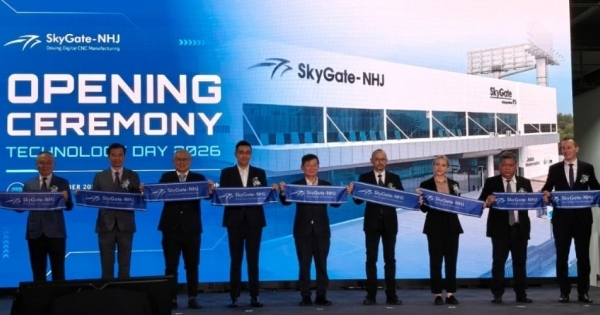
SkyGate NHJ Technology opens new precision manufacturing facility in Penang
1 minute ago
 Technology
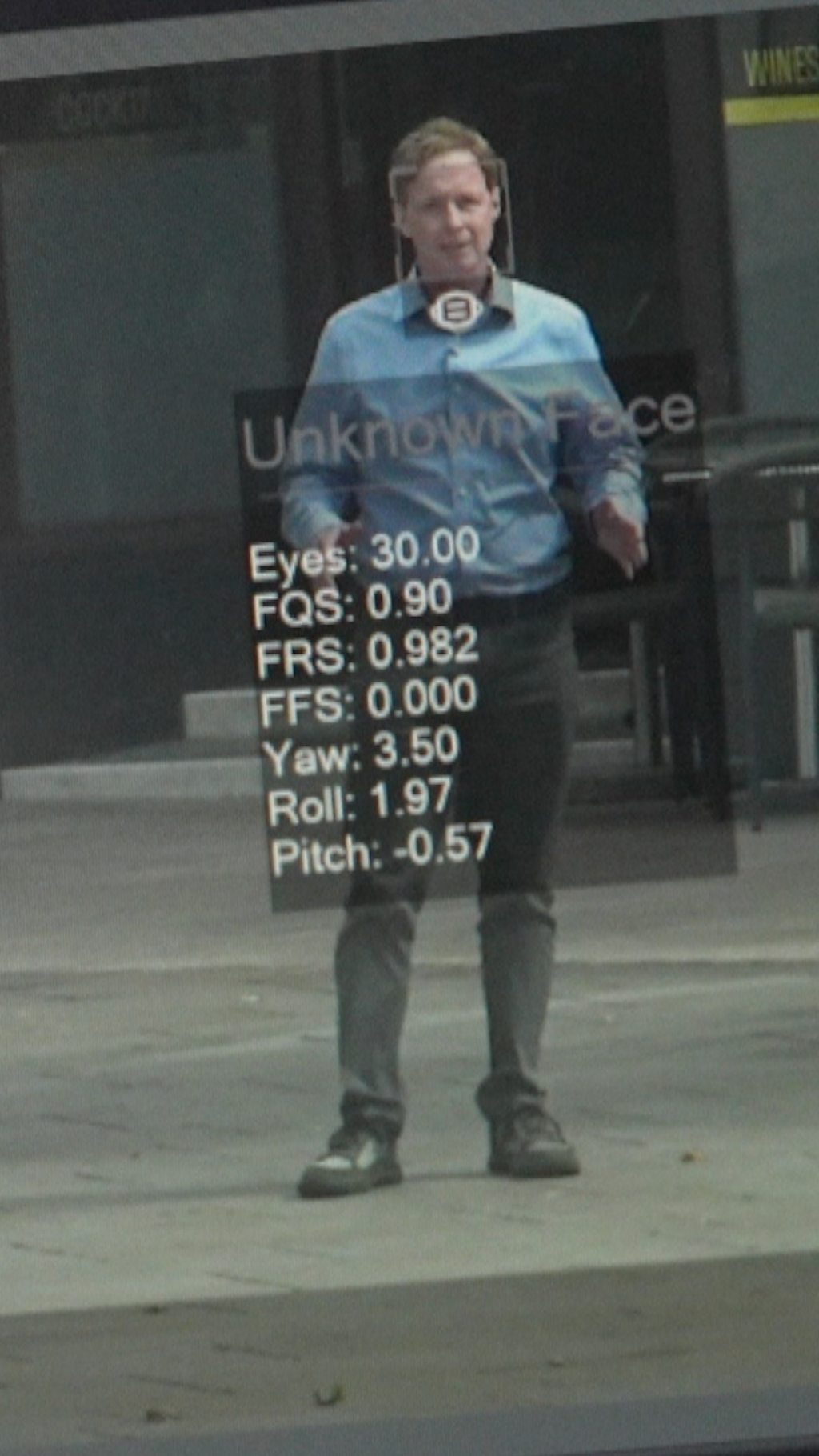
Devon and Cornwall Police use facial recognition technology
2 minutes ago
 Technology
The Sales Test This Norwest Partner Gives Founders Before He’ll Invest
1 hour ago
 Technology
Bull of the Day: Seagate Technology (STX)
2 hours ago
 Technology
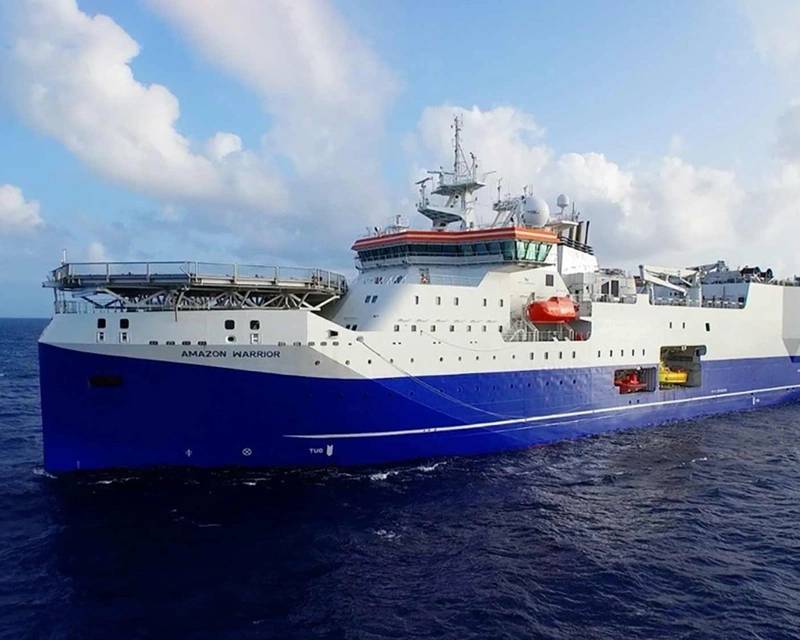
SLB, Shearwater Launch Multi
2 hours ago
 Technology
Stitching the Future: Technology as a Sacred Trust
2 hours ago
 Technology
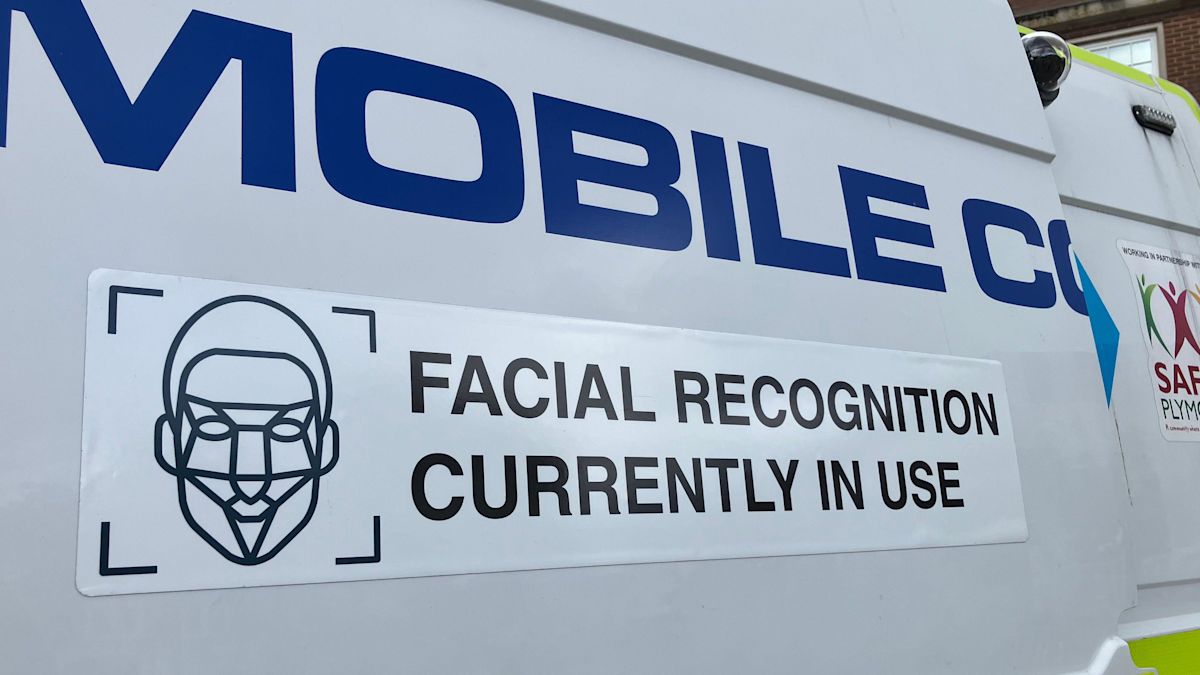
Facial recognition deployed in county first
4 hours ago