
Lungi is innocent, its politics isn't

There is a disturbing contemporary parallel in Assam. There, too, the lungi has been used in political rhetoric and imagery to stereotype Muslims, particularly Bengali-speaking Muslims, as alleged outsiders or Bangladeshis. The lungi is presented alongside other visual markers—such as the skullcap or beard—to construct an image of the supposed “infiltrator”.
My point is this: the garment is innocent, but the politics attached to it is not.
In Bombay, the lungi became shorthand for the unwanted South Indian migrant. In Assam, it can become shorthand for the supposedly foreign Muslim. The target changes, but the method does not.
My argument is that once cultural identity becomes a legitimate object of ridicule, no community remains secure. Today it may be a Malayali being mocked for his lungi or dhoti. Tomorrow it may be a Tamil for his language, an Assamese for his accent, a Muslim for his attire, a Sikh for his turban or someone from another region for a custom that happens to be unfamiliar to those around him. In fact, the constitutional idea of India is precisely the opposite.
The Rajya Sabha is the Council of States and that description is not at all ornamental. Instead, it captures the federal and plural character of our Republic. Kerala comes to the House. Tamil Nadu comes to the House. Assam comes to the House. Bengal, Karnataka, Telangana, Andhra Pradesh and every other state comes to the House. Their languages, histories, cultures and traditions come with them. No member should have to leave those identities at the door.
The Constitution speaks of equality, dignity and fraternity. Article 29 recognises the right of citizens to conserve their distinct language, script and culture. Article 51A asks citizens to promote harmony and a spirit of common brotherhood transcending religious, linguistic, regional and sectional diversities, while also valuing India’s composite cultural heritage.
Related Stories
 Culture
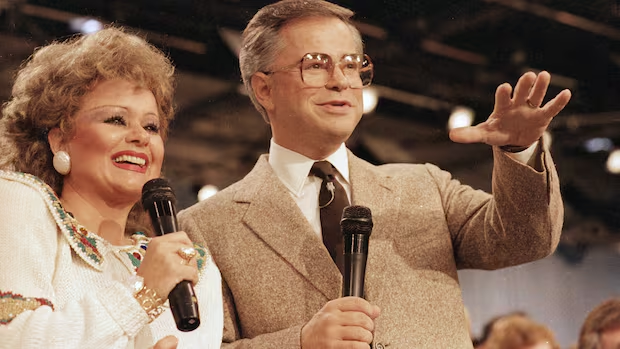
Jim Bakker, televangelist who built The PTL Club, dead at 86
1 day ago
 Culture
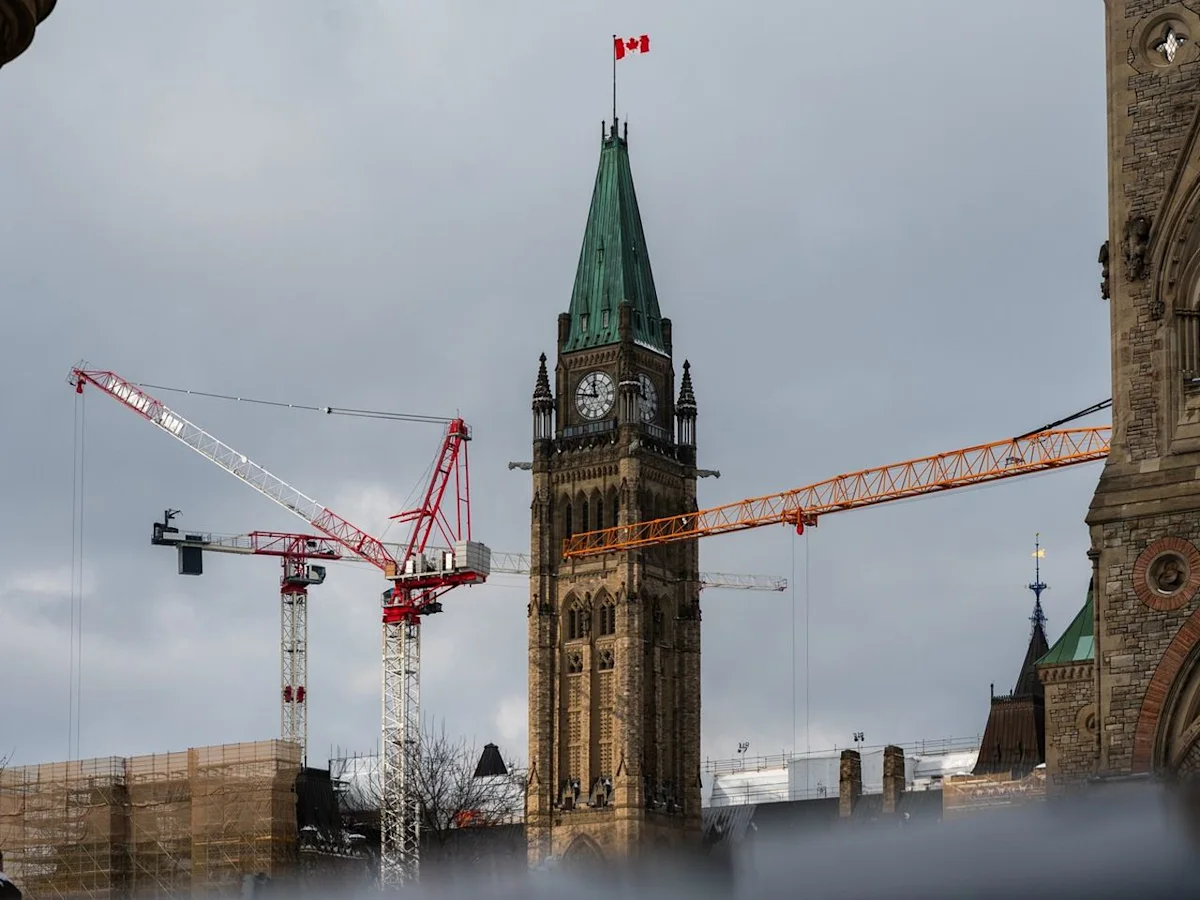
Parliament's crane operators face unique challenges at lofty heights
1 day ago
Sopaan Presents AIKYAM 2026, Bringing Art, Heritage and Living Traditions to Vadodara and Champaner
3 days ago
 Culture
New India is proud of its culture, tradition and heritage: Yogi Adityanath
3 days ago
 Culture
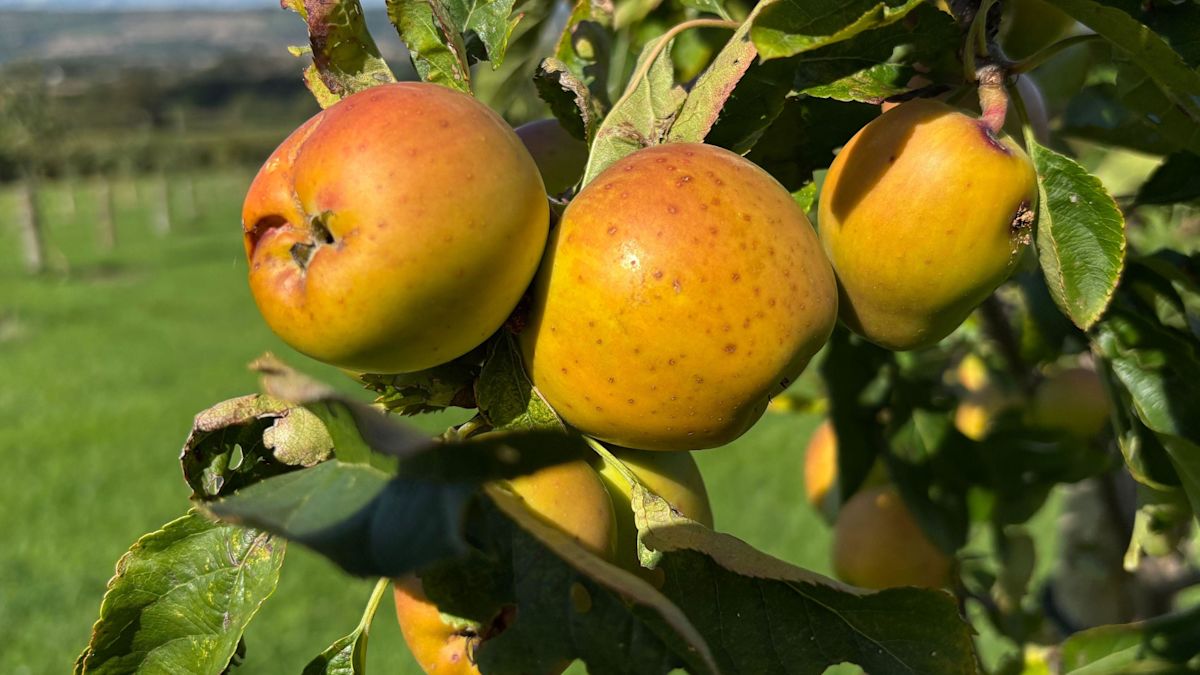
Apple appeal as cider festival faces shortage
4 days ago
 Culture
‘No one disrespects Our Lady’: fears for Brazil’s patron saint grip country ahead of election
5 days ago
 Culture
How the Ambani wedding fuelled a return to Indian culture & values
1 week ago
 Culture
Ladakh Festival 2026 celebrates Ladakh’s rich culture, heritage and growing tourism potential
1 week ago