
Malaysia cracks down on social media hiking trend after jump in numbers needing rescue
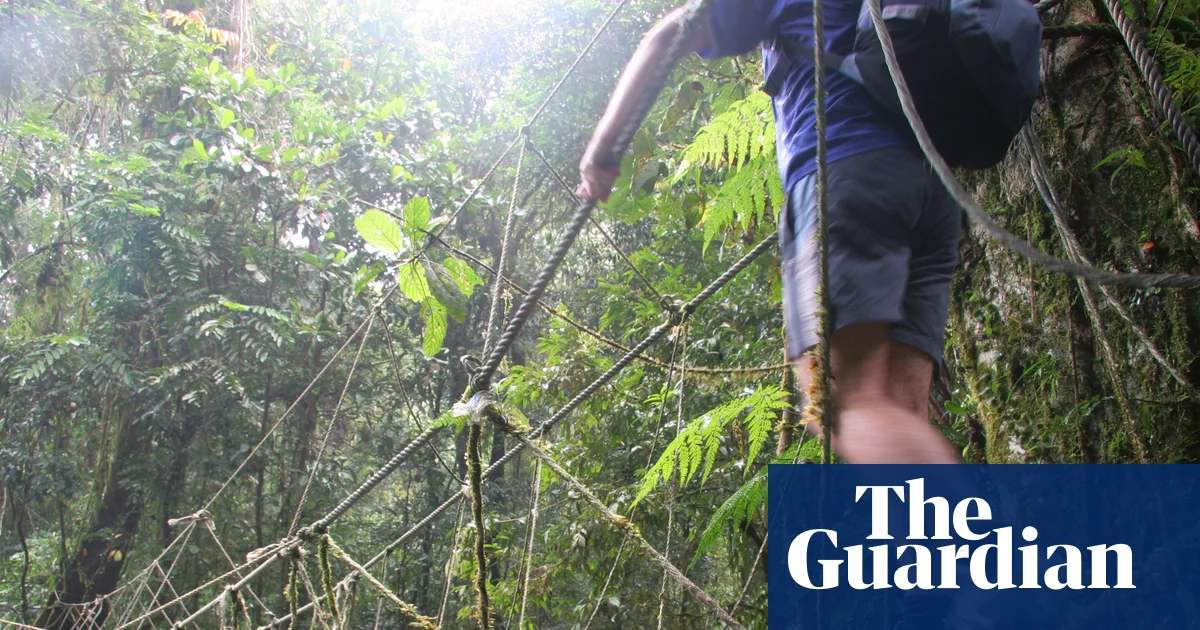
Malaysia’s government is tightening hiking rules nationwide after a social media trend left increasing numbers of adventurers needing to be rescued when they became lost or stranded in remote locations.
In the first five months of 2026, Malaysia saw 52 cases of lost hikers, an increase of nearly 30% compared with the same period the previous year, the Malaysian Fire and Rescue Department told local media.
Norimah Abd Karim, who is part of an association of certified forestry mountain guides, said earlier this year that many hikers carry minimal gear to appear like professional trail runners on social media. “There are hikers who focus more on getting interesting content that they are willing to take risks and neglect their own safety.”
Some in the larger outdoor influencer community also known as “hike-tok” have popularised “compressed hikes”, or shortened versions of demanding hikes, often within a single day or combining an ascent and descent that would usually be spread over a longer period. Some have also been accused of creating an achievement-based relationship with nature through trends like “bagging peaks”, seeking to tick off as many mountain summits as possible.
The new measures include making guides mandatory in 189 high-risk locations, strengthening pre-climb screening measures and banning some compressed hikes.
Compressed hikes have been banned at many high-risk mountainous areas across the country, Syed Ibrahim Syed Noy, the deputy minister of natural resources and environmental sustainability, told the upper house of Malaysia’s parliament on Wednesday.
Hikers underestimating the importance of preparation and being driven by social media trends have increased the risk of emergencies, said Syed Ibrahim, whose comments were published by Malaysian national news agency Bernama.
While it is not clear how the ban will be enforced in all areas, in at least one state applications for compressed hiking activities will not be approved, while another has implemented minimum climbing periods of several days for certain routes. Malaysia requires permits to hike in its state parks and forests.
Syed Ibrahim said the government was also strengthening pre-climb screening measures by requiring health declarations, medical history checks and insurance coverage.
“The government’s priority is to reduce the risk of hikers getting lost and prevent accidents, thereby minimising the need for SAR [Search and Rescue] operations, which require substantial financial resources and manpower,” he said.
Related Stories
 Community
3 children, 1 teacher dead after shooting at Oregon elementary school, police say
22 hours ago
 Community
Multiple people, including children, injured in elementary school shooting in Oregon
1 day ago
 Community
Advocates call for solutions as winter approaches
1 day ago
 Community
News without the paywall: U of T Libraries brings digital access of The Globe and Mail and The New York Times to the U of T community
1 day ago
 Community
Strong advance voting turnout in Kelowna as municipal election approaches
2 days ago
 Community
Newfoundland thriller 'Below' reels in record audience for a Canadian Netflix title
2 days ago
 Community
'When I win as mayor, I'll get another tattoo': Jeff Leiper on life's twists and turns so far
3 days ago
 Community
Healthcare, affordability lead Canadians’ unmet local news demands: CJF study
3 days ago