
Manufacturing startups face capacity
India’s manufacturing startup ecosystem is drawing greater interest from venture and growth investors, but companies are running into a structural funding challenge: investors want evidence of customer demand and repeat orders before committing large amounts of capital, while industrial customers often want production capacity to be established before placing larger orders.
Ethereal Machines co-founder and CEO Kaushik Mudda said this creates a difficult starting point for capital-intensive businesses. “When you want lots of customers to take a bet on all of this, you need to be able to show them that the capacity is already there,” he said.
Ankit Kedia, founder and lead investor at Capital-A, said industrial automation, components, deeptech, energy infrastructure, medical devices, spacetech, EVs and advanced materials are among the areas seeing traction. He said the attraction is increasingly shifting towards businesses where manufacturing itself creates the moat.
“The common thread is that the value sits in the process; how you engineer, manufacture and deploy the product rather than just the design. That is where defensibility gets built,” Kedia said.
He added that AI is making software easier to replicate, increasing investor attention on physical capabilities. Power electronics, storage components and grid equipment, he said, are among the less visible infrastructure businesses that could benefit from this shift.
The funding challenge becomes sharper between the pilot stage and commercial scale. Jinesh Shah, managing partner at Omnivore, said companies often require substantial capital at this point but remain too early for traditional bank financing and too large for seed investors.
“There are also very ordinary things that can hold growth back: delays in customer approvals, unreliable suppliers, production problems and long payment cycles,” Shah said.
Ajay Modi, director at Piper Serica, said investors are now seeking a working product, customer testing and a path to repeat orders, rather than simply backing the broader India-manufacturing thesis.
Meanwhile, Jashank Pohani, head of family office relationships at Artha Group, said the opportunity extends beyond startups to existing manufacturing businesses that can be professionalised and automated.
“Not every manufacturing opportunity needs venture capital at all,” Pohani said, pointing to established businesses with customers, cash flows and manufacturing know-how but limited modern technology and management.
The shift suggests manufacturing could command a larger share of VC and growth capital, but investors may need to combine equity with equipment finance, working capital and venture debt as companies move from pilots to commercial production.
Related Stories
 Technology
Five Nigerian startups get €65,000 pre
46 minutes ago
 Technology
South Korea's Deep
1 hour ago
 Technology
Polish activists launch abortion pill locker to bypass near
2 hours ago
 Technology
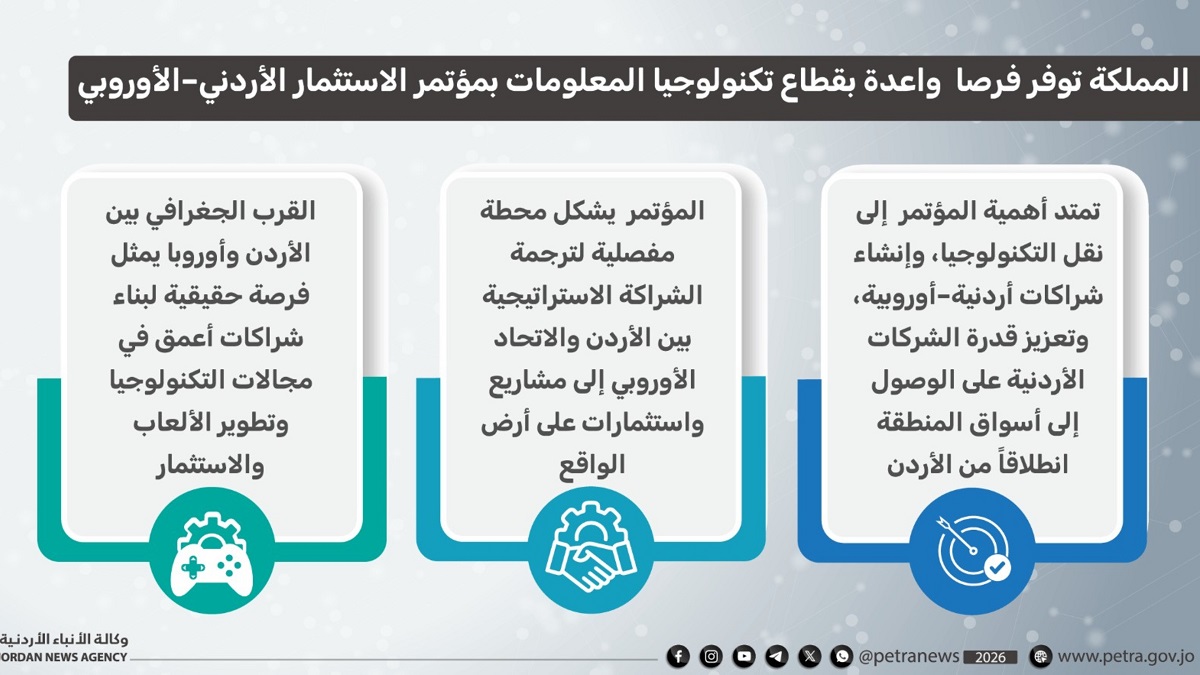
Tech Sector Eyes European Investment, Market Access at November Conference - Fana News -
2 hours ago
 Technology
Coconut shells, rice husks and more: How 4 Indian startups are giving farm waste a new life
5 hours ago
 Technology
Nikola Jokic becomes unenthusiastic fan for Deion Sanders' Colorado against Texas Tech
6 hours ago
 Technology
Has technology made everything worse?
8 hours ago
 Technology
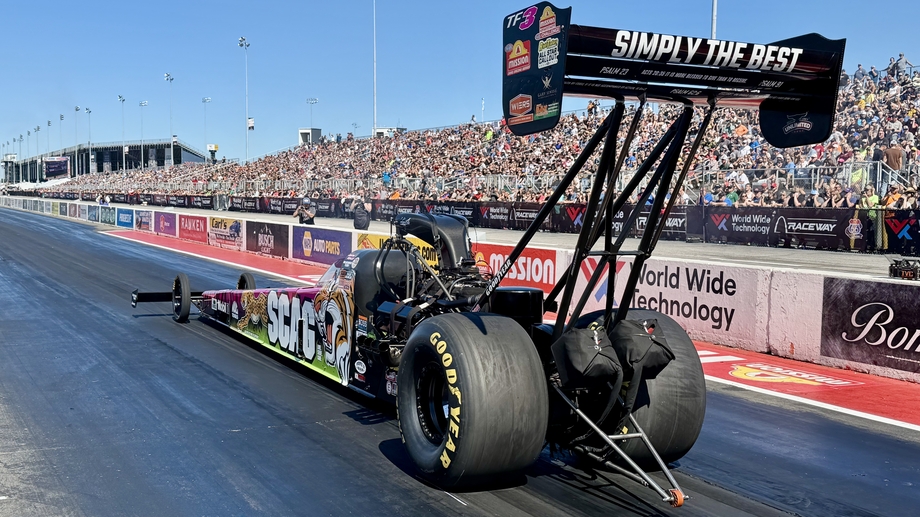
World Wide Technology Raceway sells out for sixth consecutive Saturday
10 hours ago