
Meta hits out at Australia’s ‘news tax’
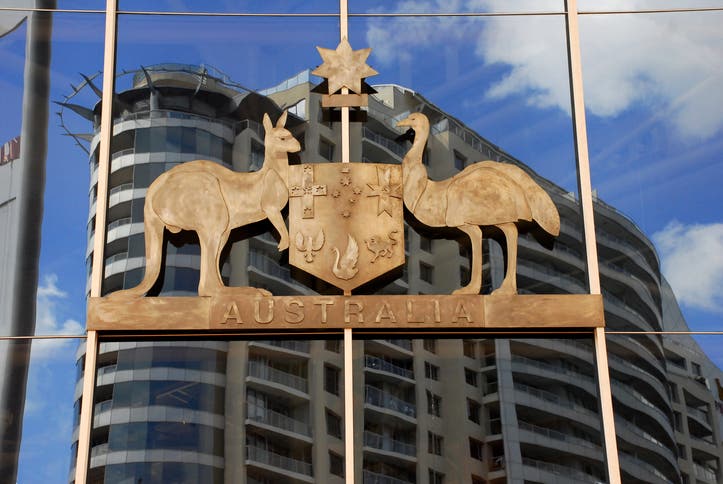
Meta hits out at Australia’s ‘news tax’ – Asian Tech Roundup
Welcome to Computing's weekly roundup of tech news in Asia. This time we look at the big tech backlash to Australia’s revived attempts to get them to support local news organisations, visitors paying up to $9,000 for a look around Chinese robotics and EV companies and mixed news on proposed social media bans in Malaysia and Japan.
Meta fired a warning shot at Australia this week over the country’s plan to charge large social media platforms to support local news organisations.
Under the plan, which would affect Meta, Google and TikTok, platforms would pay a levy of 2.25% revenue of their Australian revenues unless they strike deals with local publishers. It applies to major platforms with significant Australian revenues and user bases.
It is Australia’s second attempt at getting platforms to pay for news, closing a loophole in the earlier News Media Bargaining Code which allowed them to simply remove such content – which is exactly what Meta did, both in Australia and also in Canada where a similar law was enacted.
The government frames it as a rebalancing of power. The platforms benefit from news in terms of traffic and ad revenues, it argues, while at the same time media organisations are under pressure as tech platforms hoover up more of their income. Therefore, the platforms should do their bit in helping to support a healthy, sustainable journalistic ecosystem.
Unsurprisingly, Meta disagrees. It describes the proposals as targeted and discriminatory, applying to only a few companies mostly from the US. It calls them “grossly unfair” and describes the levy as a tax disconnected from any news value. Meta is backed in its criticism by US tech lobbyists who say the policy is “economically incoherent”, even warning it could violate the US-Australia free trade agreement.
Legal experts argue the proposal is based on revenue and service type, not nationality, and a discrimination lawsuit would be unlikely to succeed.
Nevertheless, with other countries mulling similar moves the stakes are high. Meta and its allied tech lobbyists are likely to escalate their attacks rather than conceding any ground.
Related Stories
 Technology
Tech breakthrough: Semiconductors surge, energy struggles
20 hours ago
 Technology
VIU technology diploma program returns with strong AI and cybersecurity focus
4 days ago
 Technology
Conservatives blast Liberals for trying to 'ram' controversial lawful access bill through House
4 days ago
 Technology
Oceanscan Offers Dedicated Subsea Calibration Service
4 days ago
 Technology
Sweden's FMV Orders USV for Field Engineering Reconnaissance
4 days ago
 Technology
CaseWorthy Announces Strategic Growth Investment from Rubicon Technology Partners
4 days ago
 Technology
How satellite technology is changing the wildfire insurance response
4 days ago
Texas Tech climbs in latest U.S. News & World Report rankings
4 days ago