
Microsoft's climate
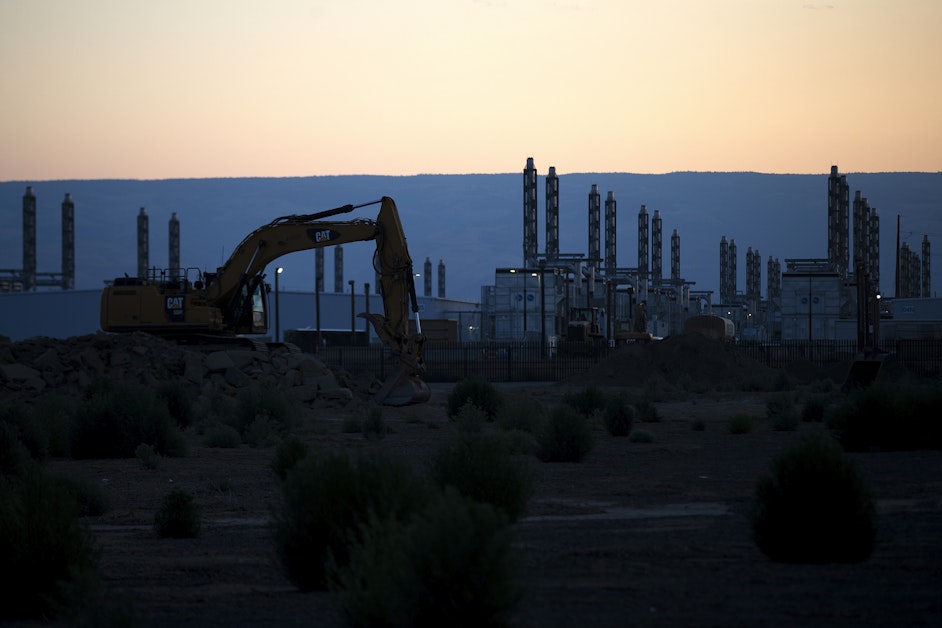
Microsoft’s total carbon emissions have increased 25% year over year, driven by the company’s aggressive buildout of artificial intelligence infrastructure.
Microsoft released the new emissions figures in its annual sustainability report Thursday. It’s a significant surge that makes the company’s moonshot climate change goals rocket even further out in space.
Microsoft’s multi-billion-dollar data center buildout is the primary source of rising emissions. The company has operated data centers in Central Washington for twenty years with minimal impacts on its carbon footprint. That’s because of the abundance of hydropower Microsoft purchases from the Columbia River dams. But across the country, Microsoft is adding hyperscale data centers to train and run AI models, and many of those are being powered by fossil fuels.
RELATED: Big Tech is bankrolling the clean energy transition — while emitting more than ever
In West Virginia, for example, Microsoft signed a letter of intent to use up to 1.35GW of artificial intelligence computing capacity at the Monarch Compute Campus in West Virginia, an off-grid facility that will be powered exclusively by natural gas generators.
Microsoft says the increase is also driven by a change in how it measures its climate impacts. The company is shifting away from buying certificates for existing renewable energy sources to longer-term contracts for new sources of renewable power generation.
The sustainability report also highlights Microsoft's philanthropic investments in its home state of Washington and the communities where it operates data centers, as well as progress on climate goals like water restoration and reducing single-use plastic in packaging.
RELATED: Are Microsoft’s AI and environmental goals compatible?
But Microsoft’s marquee environmental pledge — to become carbon negative by 2030 and remove all historic emissions the company has ever produced by 2050 — is running headlong into the AI boom.
In an interview in May, Alistair Speirs, Microsoft’s general manager of Azure infrastructure, said: “ This is a challenge and, when we described our environmental goals back in 2020, we described it as a moonshot.”
Speirs said Microsoft did achieve another goal: matching the power its data centers consume with an equal amount of renewable energy last year. But he said even that milestone may also be difficult to replicate every year.
RELATED: Amazon launches new AI tools, as Microsoft and OpenAI end exclusive cloud deal
“Increasingly, where we're focusing as well is how do we decarbonize the construction material and the other sources of carbon that go into our overall emissions as well,” Speirs said. “We're doing that through projects like green steel, cross-laminated timber to replace other building materials, with new forms of concrete as well. All of those areas go into our overall carbon footprint that we're looking to reduce.”
Related Stories
 AI News
Mafia law gives Italian families right to break free from life of crime
3 minutes ago
 AI News
Messi has a message for World Cup critics of Argentina: 'Nothing was handed to us'
4 minutes ago
 AI News
New York issues air quality alert days before World Cup final
4 minutes ago
 AI News
Argentine superstition ramps up ahead of World Cup final
4 minutes ago
 AI News
U.S. airstrikes hit Iranian bridges, following Trump's threats to strike infrastructure
4 minutes ago
 AI News
‘You can taste the smoke’: New Yorkers on air quality as fires burn across Canada
6 minutes ago
 AI News
Alberta NDP Leader Naheed Nenshi says he'll seek Calgary seat in next election
6 minutes ago
 AI News
Small private plane crashes at Montreal Metropolitan Airport
6 minutes ago