
Negotiators fear U.S. tariffs will be imposed, as provinces and Washington dig in on demands
Negotiators fear U.S. tariffs will be imposed, as provinces and Washington dig in on demands
Provinces control booze bans, demand sectoral relief, but U.S. offers not enough: sources
Some Canadian negotiators fear there may be no way to avert new U.S. tariffs from taking effect Wednesday, as Ottawa struggles to win relief from Washington on existing sectoral tariffs while also trying to persuade provinces to lift restrictions on American alcohol, sources tell CBC News.
Multiple sources — in both Canada and the U.S. — have been briefed directly on the negotiations and were granted confidentiality to speak frankly about the talks.
Negotiations continue to intensify, with Dominic LeBlanc's office confirming that the Canada-U.S. trade minister is set to meet again Sunday afternoon virtually with his counterpart, U.S. Trade Representative Jamieson Greer. It would be their third meeting in a week.
For Ottawa, the goal in recent weeks has been to negotiate a "comprehensive agreement" with Washington.
Ottawa would like to see the Trump administration drop the new 50 per cent tariffs, set to kick in on Wednesday, on nearly $28-billion worth of Canadian goods, or about five per cent of Canada's exports to the U.S.
At the heart of that deal would also be an agreement for the Trump administration to lower existing sectoral tariffs that have been punishing the steel, aluminum, auto and lumber industries. Steel and aluminum currently face 50 per cent tariffs, while autos face tariffs of 25 per cent.
'For decades we have had major trade issues with Canada,' says Greer
Sources say pursuing such a comprehensive, two-pronged deal is key to getting provinces on board with any agreement, including a commitment to put American alcohol back on the shelves. The Trump administration has made the resumption of U.S. alcohol sales in Canada a red line in the negotiations, sources say.
But the U.S. has so far not agreed to meaningfully reduce sectoral tariffs already in place, and the two countries remain far apart on some issues that need to be resolved, as CBC News reported on Friday.
Canada, U.S. far apart on tariff deal as deadline looms: sources
Some provinces are refusing to lift their bans on American alcohol unless Washington offers relief on tariffs affecting their own industries. And that is putting Ottawa in a bind — with sources telling CBC News some negotiators now fear a deal may not be finalized if provincial opposition remains firmly entrenched.
Canada prepared to make concessions
Sources say provinces and territories have been told Canada would have to make concessions on the three issues the Trump administration has raised: provincial bans on U.S. alcohol, dairy import quotas and Canada's retaliatory tariffs on U.S. autos.
Greer reiterated that resolving those disputes is a condition of any deal to avert Wednesday's tariffs.
Canada weighs ending U.S. booze bans for tariff relief. Not so fast, say provinces
"Those things have to be resolved, because that's the legal basis for those other tariffs," Greer told reporters Friday in Des Moines, Iowa. "The Canadians have come in and they want to have a conversation about it, and we're having those conversations."
The federal government has told the provinces that American alcohol must be put back on the shelves once a comprehensive deal is reached, as CBC News previously reported.
Ottawa needs provinces to move on booze bans
At issue for Ottawa: it needs provincial co-operation to make that happen, since it's powerless to force an end to the alcohol boycotts. The bans were put in place by each province, not the federal government, and restocking American alcohol ultimately rests with the provinces.
Complicating matters for negotiators, sources say, multiple provinces have said in recent days that they won't lift their alcohol bans until their own grievances are addressed in the trade deal.
Only Alberta and Saskatchewan, which have privatized alcohol retail systems, resumed the sale of U.S. booze. Other provinces have maintained their bans, although there has been division among them for months over whether to relent.
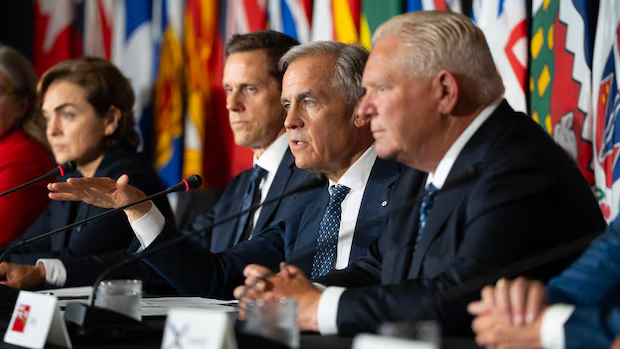
Ontario Premier Doug Ford says he will end the province's boycott only if negotiators secure what he describes as a "fair deal" that addresses tariffs on key sectors.
"If we get a fair deal that will protect our steel sector, our auto sector, our forestry sector, agriculture sector, manufacturing sector, then we'd be more than happy to bring booze back on the shelves," Ford said during a news conference in Guelph, Ont., on Thursday.
Dairy another potential flashpoint
Quebec Premier Christine Fréchette, meanwhile, maintained Friday that no concessions should be made regarding the supply management system that protects Canadian dairy, a key U.S. trade irritant.
Trump has repeatedly complained about the level of U.S. dairy farmers' access to Canada's market.
"For us, it is essential to preserve supply management; we have made this a red line that must not be crossed," Fréchette said.
Sources tell CBC News that any deal with the U.S. will have to involve Canadian concessions on dairy, though it's not known publicly what specifics are being discussed at the negotiation table.
Earlier this month, Fréchette also stressed: "The sale of alcohol falls exclusively under the jurisdiction of the Quebec government. Quebec, and Quebec alone, will make that decision."
No movement on lumber relief: sources
British Columbia Premier David Eby has long maintained that lowering tariffs on Canadian softwood lumber also needs to be part of any trade deal.
The premier previously said "there is not a chance in hell that U.S. alcohol is going back on the shelf in British Columbia," and he reiterated Friday that his position "remains unchanged."
"Our softwood lumber industry is under direct attack," Eby said, when asked whether his government would be willing to lift its ban on U.S. alcohol in exchange for a new trade deal. "That issue needs to be addressed.... The federal government is well aware this is British Columbia's issue at the table."
Sources, however, tell CBC News the current U.S. proposal does not include any meaningful reduction in softwood lumber tariffs. The Trump administration wants lumber negotiated separately, sources say, while B.C. wants it included in the broader deal.
"The softwood lumber sector is bigger than auto parts and steel combined in terms of the Canadian economy, and it needs to be front and centre at the table," Eby told reporters on Friday.
The stakes are particularly high for B.C. and Quebec: about 13 per cent of B.C.'s exports and 10 per cent of Quebec's could be exposed to the new levies if they take effect Wednesday.
Ottawa urges 'unified, Team Canada approach'
One source said it is "critical" for provinces to come on side "quickly," as all indications are that the U.S. is unwilling to extend Wednesday's deadline.
A separate provincial source characterized the Trump administration as doing a "perfect job driving a wedge" between Ottawa and the provinces, and among the provinces themselves. "This was calculated. It'll be hard for 14 governments to come to a consensus," the provincial source said, referring to the federal, provincial and territorial governments.
In a statement, LeBlanc and Janice Charette, Canada's chief trade negotiator to the U.S., said they "reiterated the importance of a unified, Team Canada approach" during a virtual meeting with provincial and territorial ministers responsible for trade on Friday.
Quebec's Economy Minister Bernard Drainville told reporters following that briefing that a big gap remains between Canada and the U.S. and "at the moment, there is no indication that Mr. Trump might postpone the application of the 50 per cent tariffs."
These 3 charts show where Trump's new tariffs could have the biggest impact
That possibility of talks ending without a deal has been contemplated for weeks. When Trump announced the new slate of tariffs in July, Prime Minister Mark Carney told premiers that the best deal may be no deal at all. Sources with knowledge of the discussion told CBC News at the time that provinces were asked to develop a list of possible retaliatory actions if the U.S. proceeds with the Aug. 19 tariffs.
CBC News reported earlier this month that the Canadian side has aggressively argued to the Americans that there would be no political appetite among Canadians to keep talks going if the tariffs come into force.
Related Stories
 Canada
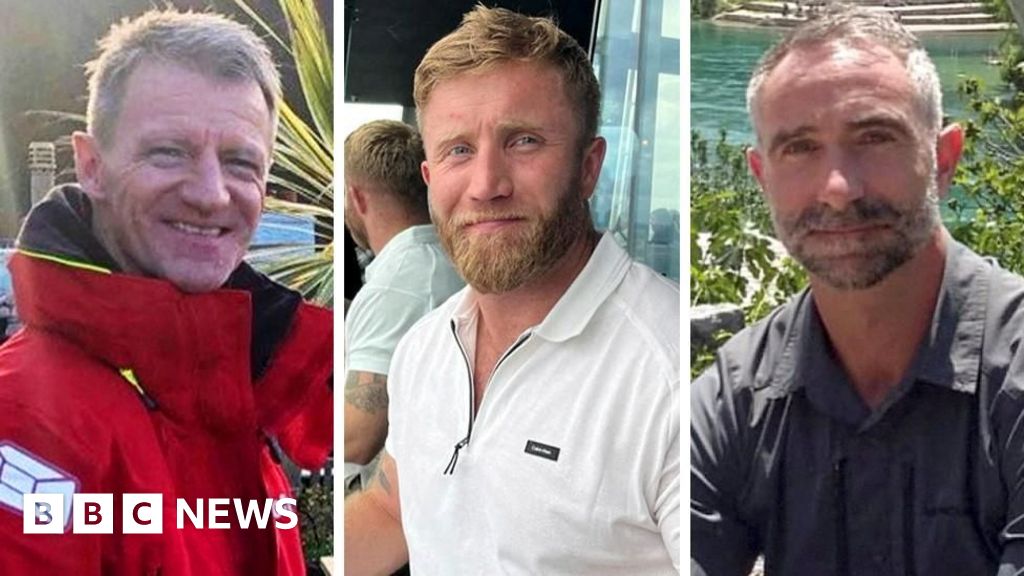
UK, Canada and Australia condemn Israel for refusing criminal probe into aid worker killings in Gaza
41 minutes ago
 Canada
2 injured in ’violent incident’ at Edmonton Sikh Temple, World Sikh Organization of Canada says
42 minutes ago
 Canada
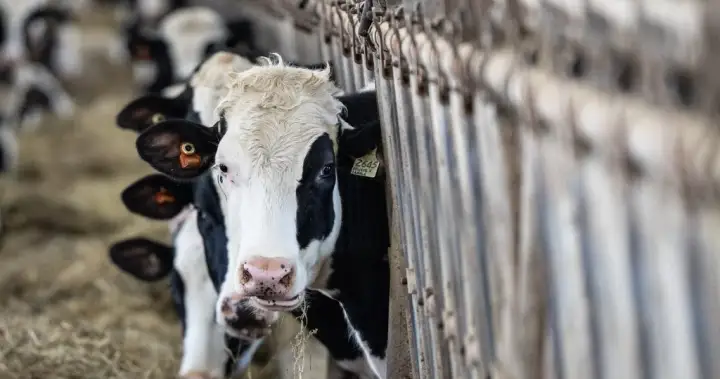
Can Canada uphold dairy supply management while giving U.S. more access?
42 minutes ago
 Canada
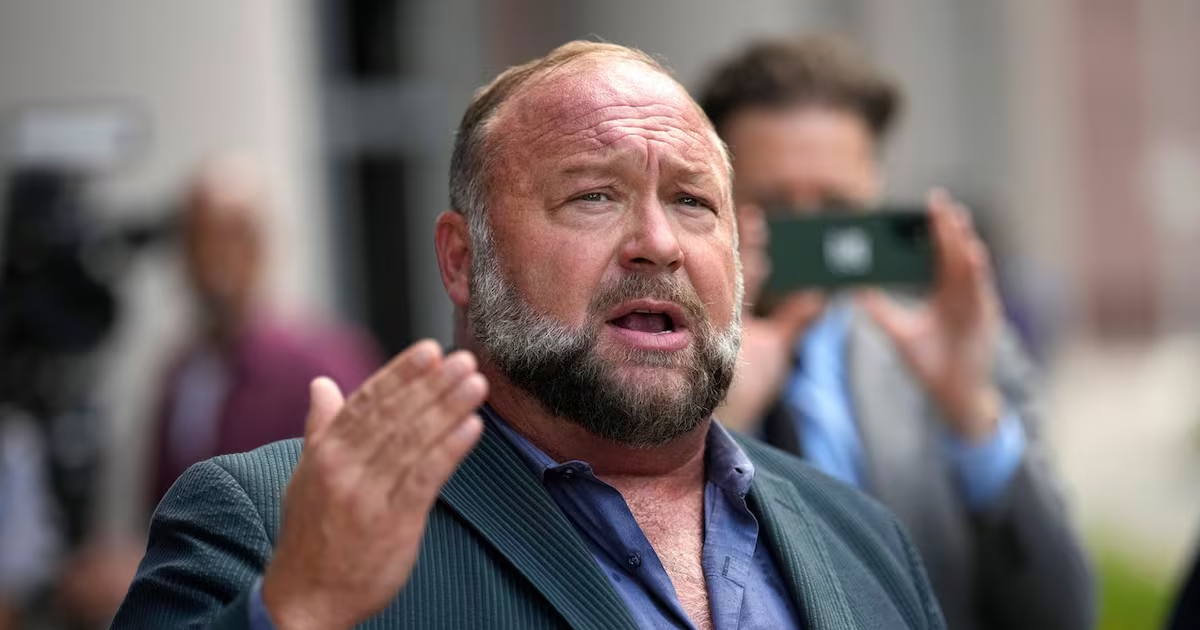
Court slashes US$50M judgment against Infowars’ Alex Jones over falsely calling school shooting a hoax
1 hour ago
 Canada
Booze ban ‘had its time.’ Ending it may be the key in reaching deal: trade advisor
1 hour ago
 Canada
42% drop in Vancouver housing starts prompts worry from development advocate
1 hour ago
 Canada
2 injured in 'violent incident' at Edmonton Sikh Temple, World Sikh Organization of Canada says
1 hour ago
 Canada
Media Roundup: Dade on Tariffs and Canada
1 hour ago