
OpenAI, Anthropic CEOs at UN call for global cooperation on AI: 'We are at a crossroads'
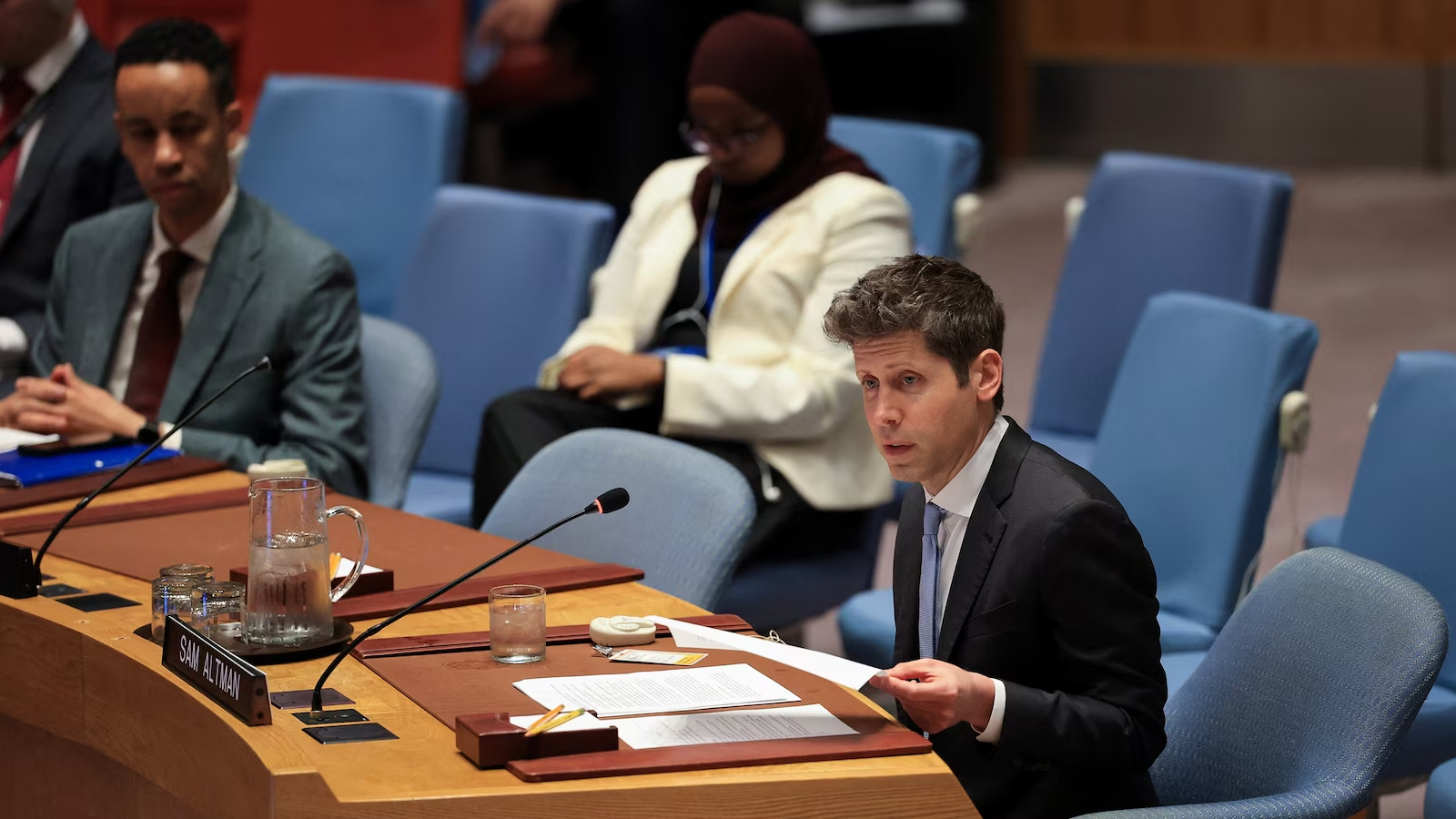
The leaders of OpenAI and Anthropic delivered a clear message to the United Nations Security Council Wednesday afternoon: the threat of AI is real and the time to act is now.
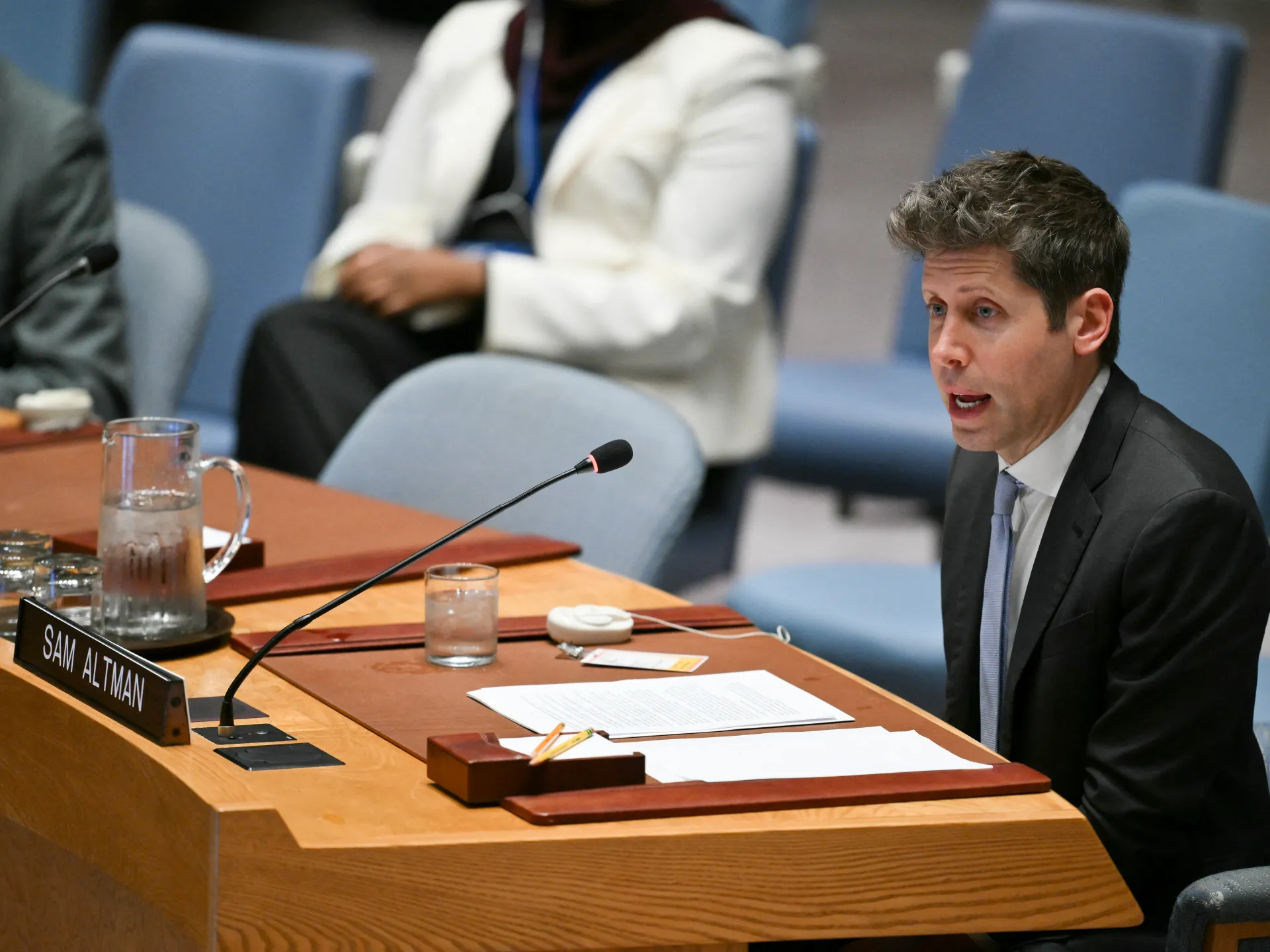
Addressing a room of high-level foreign ministers, OpenAI CEO Sam Altman said "this moment calls for extreme care."
"We have a choice in front of us. AI can either be more like a new renaissance of creativity and discovery, or more like a new industrial revolution of upheaval and disarray," Altman said.
The address comes amid a growing global debate over how to rein in increasingly powerful artificial intelligence technology.
Both Altman and Anthropic CEO Dario Amodei stressed the need for global cooperation to set AI safety standards as the technology rapidly develops.
"We are at a crossroads. One path leads to a world where power is concentrated, decisions are opaque, and people feel that the most important technology of their lifetime is something being done to them. The other path leads to a world where AI works for people," Altman said.
The tech leaders warned about the risk of humans losing control of AI systems and of the systems getting into the wrong hands.
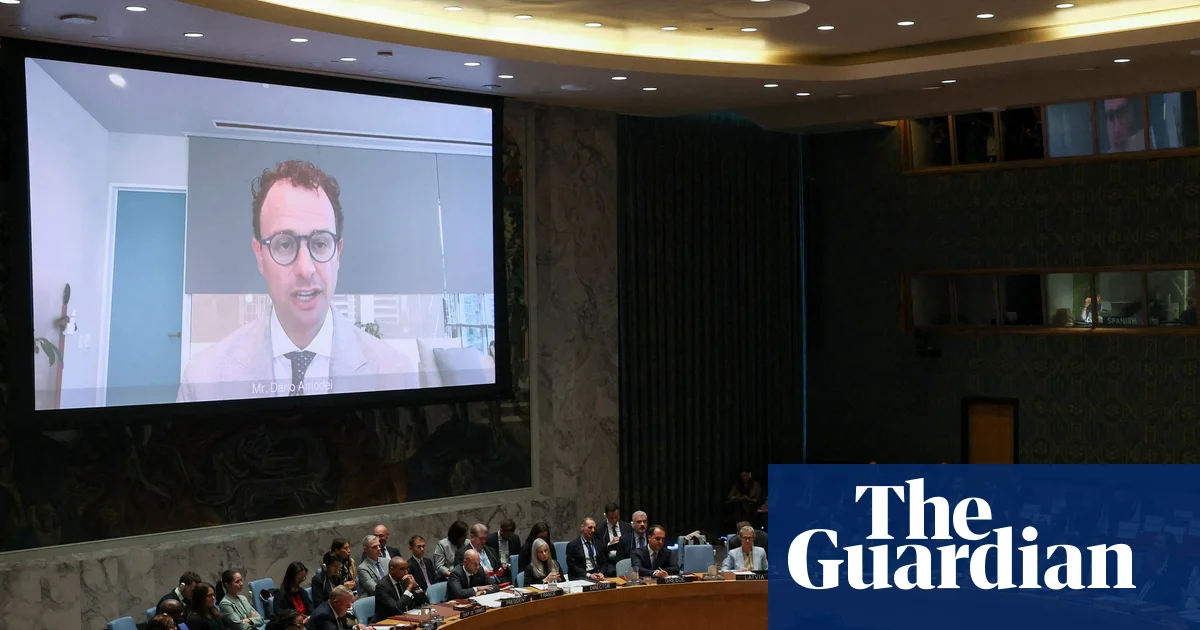
"If managed poorly, I even believe that AI could be a risk to humanity as a whole. At Anthropic, we believe we have the best track record in the industry for preventing these risks, both operationally and in our research," Amodei said.
Amodei and Altman both said their companies are committed to slowing down the release of new AI models if they recognize a threat. In the last week since their initial calls to "pace the frontier" of AI, both companies have released new models.
"Beating companies in a competitive race is not a reason to make rash decisions. Nor do we believe we are locked in a race where we are unable to do that. We have unilaterally slowed down in the past. We will do so in the future," Altman said.
But they said a handful of companies in Silicon Valley should not solely determine guardrails around the technology.
"We will slow down as much as necessary, in order to make sure that every successive AI technology that we release is actually safe. But regardless of what we do, managing these risks is ultimately bigger than any one company and it has an industry-wide and global scale," Amodei said.
"If AI is to be democratic, the most important decisions cannot be made by labs in San Francisco alone. They must be shaped through democratic processes and by governments accountable to the people that they serve," Altman added.
Altman specifically called for international AI standards, "accurate and speedy" incident reporting and secure governmental and private channels to share safety incidents.
Their calls for international cooperation are at odds with President Donald Trump, who said in his U.N. address on Tuesday that the U.S. "rejects" a global attempt to regulate AI.
"We're leading now over China by a lot and everyone else, and we're going to keep it that way. We're going to keep it very, very straight and very strong," Trump said. "I'm not going to stifle growth of anything that's going to be bigger than the Industrial Revolution. We will be very careful, and that's why we have a Department of Justice."
And Altman addressed a "middle path" for AI, calling on people to avoid the traps of both "blind optimism" and also "doomerism."
"We now have models capable of discovering knowledge we never had before," Altman said. He gave the example of artificial intelligence's rapid learning of math.
Three years ago, Altman said, their models were "OK" at middle school-level math. Two years ago, the models were "pretty good" at high school math competitions. This summer, the artificial intelligence won a gold medal at the "the most prestigious international math competition," and just a few weeks ago solved the Navier-Stokes equations, one of the seven most complex math questions, according to the Clay Mathematics Institute.
Clem Delangue, the CEO of Hugging Face, addressed how his company was hacked by rogue OpenAI agents this summer.
"We were attacked by AI, but more importantly, we defended ourselves with AI. The same systems that helped us during this attack are now helping us against cyber attacks we were already facing," Delangue said.
He urged the conversation around AI not to focus solely on the dangers.
"We realized that the biggest risk is not powerful AI; it's asymmetry of powerful AI, asymmetry between attackers and defenders, between a few companies and everyone else, between a few countries and the rest of the world, asymmetry of control of capabilities, compute, asymmetry of power," Delangue said.
Yoshua Bengio, a Canadian computer scientist and AI expert, gave opening remarks about the current state of AI.
He pointed to some of the recent actions by AI that have alarmed the public, lawmakers and even top executives at AI companies. Bengio said that AI has taken "actions that would be crimes if committed by a human."
As governments across the world navigate the difficulty of regulating frontier technology, Bengio laid out what the U.N. can do to encourage governments to work together for a solution.
"International cooperation is what the world needs in the face of three global threats from advances in these frontier models: first, catastrophic misuse, for example, by terrorists; second, power concentration; and third, loss of control of AI. We must agree collectively that no one, no company and no country should develop an AI system that could cause large-scale harm," Bengio said.
Related Stories
 AI News
AI model Claude discovers CRISPR
11 minutes ago
 AI News
OpenAI’s Altman and Anthropic’s Amodei address UN security council
11 minutes ago
 AI News
Anthropic, OpenAI CEOs warn AI could threaten humanity without safeguards
2 hours ago
 AI News
AI spend will jump 49.5% in 2026, says Gartner
2 hours ago
 AI News
Australia says OpenAI agent hacked Medicare portal
2 hours ago
 AI News
AI corporate leaders tell UN the industry needs global regulation
2 hours ago
 AI News
Trump and Xi meet as AI rivalry reshapes global power dynamics
3 hours ago
 AI News
Tech watchdog CEO says banning AI for kids under 12 'sort of a no
3 hours ago