
OPINION: How founders can stop wasting time on fundraising

Any founder who has raised money knows what investor due diligence feels like from the receiving end. The questions about the model, the customer contracts, the gap in your CV, the calls to people you worked with years ago. Investors do that work because they are making a long-term bet on your abilities.
However, the same isn’t true in reverse. In two decades supporting founders as they raise, I have found the majority could tell me everything about their own metrics, ambition for the business or ideal team hires, but very little about the people they approached for funding.
So, why is this? DocSend’s research on pre-seed rounds found founders contacted an average of 71 investors to close a round. Our own founder survey revealed a quarter of founders spend more than half their working week on fundraising. With so much time taken up, only about one in three do any serious research on investors.
That can cost founders dearly. Months pitching investors who were never a fit for their stage or sector, time that should have gone into building, and potentially years unravelling a misaligned relationship.
The market has made founders less likely to check
Today it is an investor’s market, and that is where the challenge starts. According to research, European startups did raise €21.41 billion ($24 billion) in the second quarter of 2026, two thirds more than a year earlier, but 65% of it went to just 42 companies raising €89 million ($100 million) or more, while early-stage deal numbers fell. When capital concentrates in fewer, larger deals, angels hold the leverage, and that is precisely when founders ask the fewest questions and most need the answers.
Founders often tell me they cannot afford to be picky. They don’t have time for due diligence and asking too many questions or conducting background checks might put an investor off. I understand the pressure. Fundraising is fiercely competitive, and when capital is hard to secure, it can be tempting to pursue every opportunity that comes along.
But this is precisely why a little research upfront matters. Knowing an investor’s criteria and track record tells you whether the approach is worth a week of your time at all. The ones you do pitch arrive at diligence already warm, and the process moves faster because of it.
What you are actually checking for
Start by deciding what you want from each investor. If you’re raising from 10 angels, for example, you might want two or three to take an active role, with the rest remaining silent backers.
Then check the basics. Is this person who they say they are, and do they invest at the level and stage they claim? A depressing number of the conversations founders agonise over turn out to be dead ends.
Next, look at their track record. Which companies have they backed, which have they run, and where have they sat on the board? Sector experience matters more than general enthusiasm.
Then comes the step founders often skip because it feels too subjective: do you actually get on? We talk constantly about product-market fit, but much less about investor-founder fit. Last comes alignment. Do you both want the same thing from this company, on a similar timeframe, with a realistic view of how it grows and how it might exit? Agreeing that at the start is what stops the relationship souring later.
How to do it without interrogating anyone
Most of this work happens quietly, before the first meeting. LinkedIn, company websites and the public registers will tell you a great deal. In the UK, Companies House shows directorships and filings, and the European e-Justice Portal searches company registers across the EU. None of it takes any of the investor’s time, and none of it feels intrusive, because they never see it.
The most useful step is finding the companies an investor has already backed and speaking to those founders, through an introduction or by asking the investor for a reference. A founder who has worked with them will tell you more in 10 minutes than any amount of desk research.
Then stage it. Investors start broad and get more specific as they get closer to wiring the money, and founders can work the same way in reverse. References, personal checks and detailed KYC belong at the end, not on day one.
Use AI for the first pass, but human judgement for the verdict
Research that used to take days now takes minutes. Investors are increasingly using AI to manage and assess their dealflow, and entrepreneurs should be doing the same.
I tested this for the first time recently on someone who I’ve known for years and was surprised by the level of detail that was produced, including certain information that I was previously unaware of and would have been unlikely to uncover with traditional online searches.
There are limitations, of course. Common names can return vague or misleading results, and everything needs to be fact-checked before you draw conclusions, positive or negative. Treat the output as a guide, not gospel.
Trust your instincts as well as the record
If you have a feeling that something doesn’t seem right, trust your gut and do not ignore it. If an investor is moving unusually fast, pressing for information you are uncomfortable sharing, slow things down and dig further. It’s often a good idea to share your concerns with a colleague or friend to get a second opinion from an impartial outsider.
None of this should be seen as an extra stage bolted onto an already long process. It is what stops you wasting weeks on an investor who was never going to back you, and years with one you wish you had never taken. Investors will research you either way. The founders who do the same end up with backers worth having.
Related Stories
 Startups
EU Inc: Will Europe blow its biggest chance to get startups right?
6 hours ago
 Startups
A Smarter Way to Discover Innovative Startups and Emerging Digital Products
20 hours ago
 Startups
Investing in Israel's immigrants: New VC firm offers olim up to $500k. in funding for startups
23 hours ago
LinkedIn Top Startups 2026: The 50 U.S. Companies on the Rise
1 day ago
 Startups
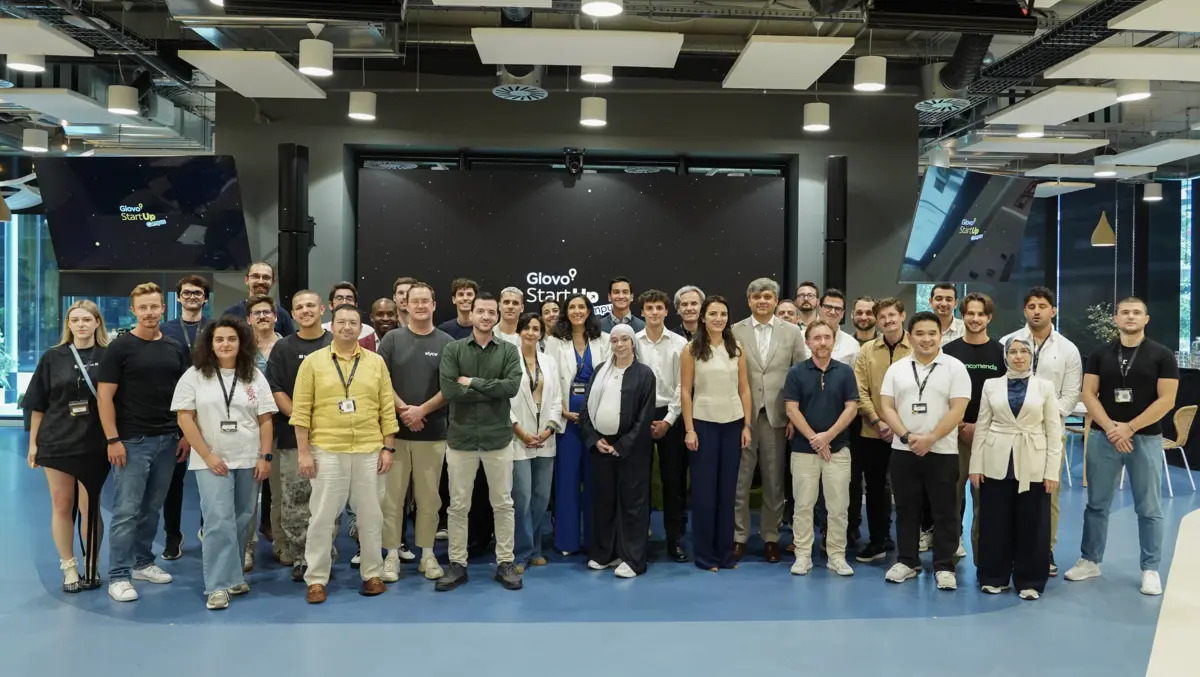
Glovo alumni found 35 startups worth EUR €461 million
2 days ago
 Startups
K-38 Consulting Publishes Guide Helping Startups Choose Between Bookkeeping-First and CFO
2 days ago
 Startups
UK launches refugee
2 days ago
 Startups
Meet the Australian VC firm with two homegrown unicorns
2 days ago