
Posthaste: Why economists say we should 'fade' market bets on the Bank of Canada
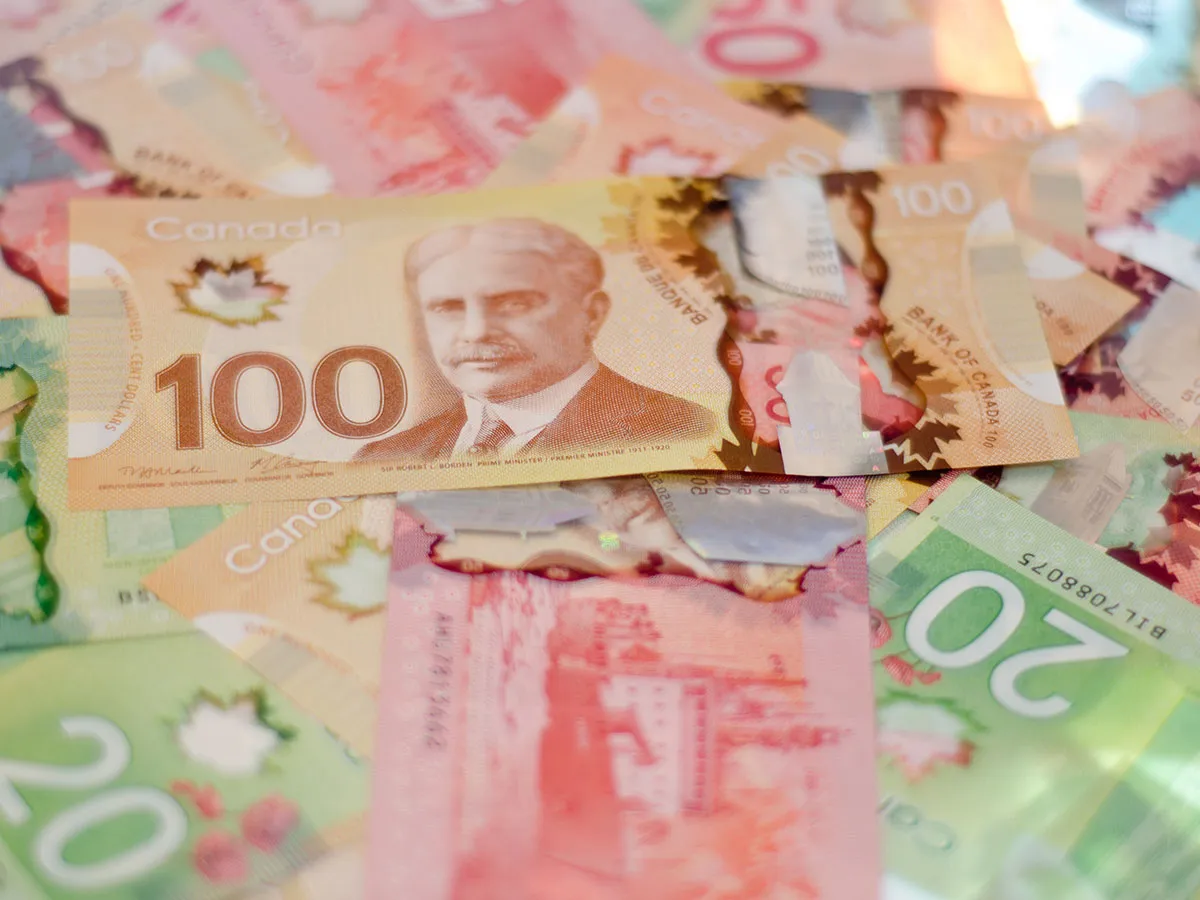
Last time the Bank of Canada decided on interest rates, market expectations of hikes later this year shot up, as traders zeroed in on one word — “consecutive.”
Governor Tiff Macklem’s mention of the possibility of “consecutive” rate increases in one scenario where oil prices climb higher prompted markets to up their bets to 2.5 hikes this year after the April meeting.
Since then softer economic data and tamer inflation have lowered those bets to 1.5 hikes, but most economists still think the market is overshooting the mark.
“Canada is in a technical recession, and the labour market remains soft with net job losses year to date, keeping the bar for hikes high, said Bank of America economist Carlos Capistran.
“With inflation expectations likely to remain well anchored … we expect the BoC to stay on hold and recommend continuing to fade market pricing of BoC hikes.”
The Bank of Canada’s next decision is this Wednesday and the central bank is widely expected to leave the rate unchanged at 2.25 per cent, its fifth consecutive hold. It’s on the path for the rest of the year where economists and markets diverge.
Most of Canada’s big banks expect the central bank to keep the rate steady throughout this year, including Bank of Montreal, CIBC, Toronto Dominion and Royal Bank of Canada.
Bank of Nova Scotia, however, is forecasting 50 basis points of hikes in the fourth quarter of 2026 and another in early 2027, bringing the rate to 3 per cent.
“We’re the only shop in Canada that called the market move toward pricing hikes in 2026 forecasts dating back to last November,” said Derek Holt, head of Scotiabank Capital Markets Economics, in his note this morning.
Royce Mendes, head of macro strategy for Desjardins Group, however, argues the market is mispriced, saying all signs point to a “classic demand shortfall in the economy.”
In Desjardins’ view the data show that Bank of Canada no longer needs to be worried about a tradeoff between high inflation and low growth, and should focus on what is needed if demand deteriorates further.
The risk of the upcoming Canada-United-States-Mexico-Agreement review is “under-appreciated,” said Mendes, as a negative outcome is the “single greatest risk to the Canadian economy.”
It now looks likely that the three countries will not agree to a 16-year extension by the July 1 deadline — which while not a disaster, will extend the uncertainty hanging over the economy.
With no move expected from the Bank of Canada Wednesday, observers will be watching policy makers’ language closely.
Mendes said the bank should refrain from reiterating the need for “consecutive” rate increases, calling the last instance a “communications misstep.”
“Traders should beware that the Bank of Canada has a history of misguiding markets,” he said.
Related Stories
 Canada
'Space Academy': Trump announces new U.S. Space Force school
7 minutes ago
 Canada
Union, industry leaders urge government not to rush trade talks with the U.S.
7 minutes ago
 Canada
Canada
7 minutes ago
 Canada
‘This is our lake’: Canadian brands rally around Lake Ontario with new merchandise
7 minutes ago
 Canada
U.S. civil rights groups make urgent plea for voting rights in D.C., ahead of midterm elections
1 hour ago
 Canada
While Trump targets Canada, U.S. lawmakers decry toll of 6
1 hour ago
 Canada
Interprovincial trade barriers are falling. But rewriting old rules will take time
1 hour ago
 Canada
U.S. may seek win with Mexico in wake of collapsed trade talks with Canada, says ex
1 hour ago