
Posthaste: Why Trump's tariff pressure isn't crushing the Canadian dollar
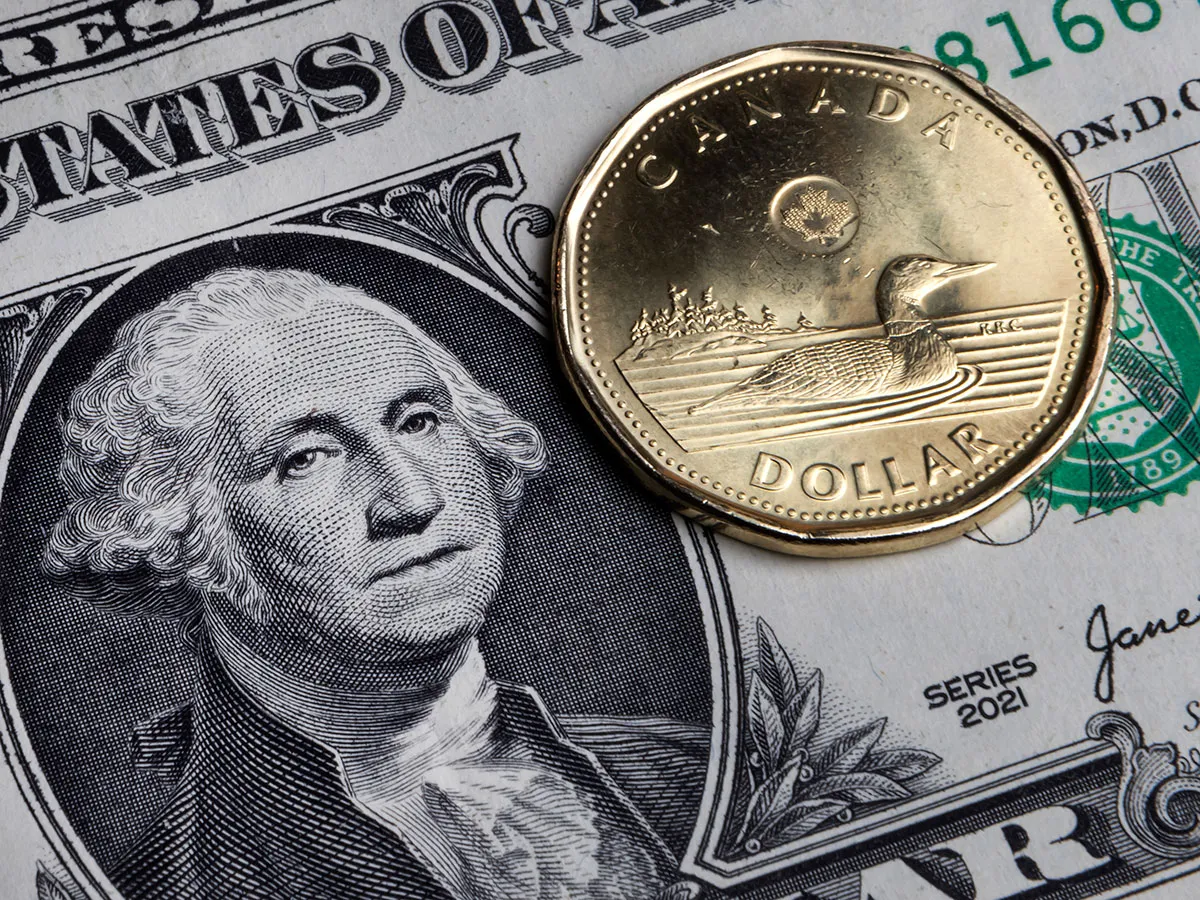
What’s up with the Canadian dollar?
Relations between Canada and the United States have broken down to levels not seen since the dark days of January 2025, yet the currency remains “surprisingly resilient.”
The dollar has dipped since trade talks collapsed last weekend, falling about half a percentage point to around 72 U.S. cents this morning.
But it’s a far cry from early in 2025 when U.S. President Donald Trump slapped Canada with sweeping 25 per cent tariffs and our currency plunged to multi-year lows.
Back then the loonie sunk as low as 68.96 U.S. cents.
“In stark contrast to previous U.S. tariff hikes, volatility in the Canadian dollar has thus far been remarkably low,” said Mirza Baig, foreign exchange strategist at Desjardins.
“Is this a sign of resilience or is the market being complacent?”
Over the past week, Trump has imposed 50-per-cent tariffs on $28-billion worth of Canadian goods ranging from honey to hockey sticks. He also threatened to impose equally steep duties on Canada’s auto industry starting in January.
Yet the loonie is down less than 1 per cent against the U.S. dollar and just 0.4 per cent lower on a trade weighted basis since talks broke down, said Baig.
The explanation according to the strategist is that globally currencies are not reacting to Trump’s “tariff noise” the same way as they did early in the president’s term.
“Market participants have learned that tariff announcements are often just part of the negotiation process rather than the end result,” he said.
Baig uses the example of the euro during negotiations for a European Union-U.S. trade deal in which Trump repeatedly threatened the eurozone with tariffs.
“The euro shrugged it off. Similarly for CAD, flat option risk reversals suggest investors aren’t rushing to buy puts,” he said.
The bigger picture has also helped support Canada’s currency.
The U.S. Treasury’s surprise increase in bond buybacks to support the market put pressure on the U.S. dollar, though that has eased.
The loonie isn’t out of the woods yet, said Baig. The currency has become more sensitive to interest rate differentials and right now the gap between Canada and the U.S. is gaping.
The Bank of Canada’s rate going into this Wednesday’s meeting stands at 2.25 per cent, while the Federal Reserve rate is at 3.50 per cent to 3.75 per cent.
A higher Fed rate weakens the Canadian dollar as capital tends to seek out higher returns.
Baig said markets are no longer predicting the Bank of Canada will hike rates this year, but are still pricing in three 25 basis point increases in 2027.
Meanwhile, the central bank is left balancing the risks of higher inflation against the blow to the economy from Trump’s trade war.
“Communications surrounding the Bank of Canada’s rate decision could be a major test for the currency,” he said.
Related Stories
 Canada
Albertans head to polls in historic referendum on whether they want to stay in Canada
1 day ago
 Canada
In the news today: four soldiers killed, Alberta referendum, AI privacy fears
1 day ago
 Canada
How a grass fire at a Canadian military base killed four soldiers
1 day ago
 Canada
How will household electricity rebate reduction, temporary winter pricing change impact Ontarians?
1 day ago
 Canada
Residents told to boil tap water due to bacteria
1 day ago
 Canada
Oil
1 day ago
 Canada
Albertans vote on path to independence as Carney fights to keep Canada united
1 day ago
 Canada
Two of 4 soldiers killed in fast
1 day ago