
Quaco Museum highlights St. Martins's shipbuilding heritage

Quaco Museum highlights St. Martins's shipbuilding heritage
St. Martins was once the Maritimes' 3rd-largest shipbuilding community, just behind Halifax and Saint John
New Brunswick has more than 100 museums and heritage sites. In our summer series Museum Road Trip, CBC News is highlighting eight small-town historic places.
St. Martins has always made its money from the ocean.
Now it’s known as a Bay of Fundy resort town that people visit to get a little seaside experience.
But 100 years ago, it was shipbuilding that brought cash into community coffers.
“Shipbuilding was everything,” said Carmel Vivier, the director of the museum, adding that 500 ships were built along a four-kilometre stretch of the Bay of Fundy.
“Halifax built more ships, Saint John built more ships, and then third place in the Maritime provinces was St. Martins. We built more ships per capita than Saint John built.”
The first ship, the Rachel, was built in 1803 by a woman named Rachel Vaughn.
“Her husband was away, he was sailing and he got storm-stayed in Newfoundland," Vivier said. "And she didn't know if he was dead or alive, and she needed to start doing something."
“So she decided she would build a ship, and she was the start of the shipbuilding in St. Martins. Her husband came home and said we're going to farm. She said no, we're not.”
While the Rachel was the first ship built in St. Martins, it was a rough launch.
There were no large berths in St. Martins to launch ships so ships were built on the shore on cradles.
When it was time to launch, the shipbuilders would wait until high tide, grease the cradles, and push the boat into the bay.
But with the Rachel there was an issue. The vessel stopped halfway down, Vivier said.
“They said, ‘Well, we'll wait till the tide comes back in.’ … Rachel decided she wasn't going to wait for the tide and went over on its side."
When the tide came in, the ship righted herself and was fine.
One of the museum’s premier pieces shows off the size of some of the ships.
The figurehead of the Prince Victor is more than seven feet tall, a clue to just how big the rest of the ship must’ve been.
Prince Victor was built in 1870 but sank when it hit a sandbar in the Severn River, near Bristol, England.
When the ship sank, a local man decided that he wanted the figurehead.
“So he took it and it sat chained in a plum tree,” Vivier said.
The figurehead stood in that Bristol plum tree for 89 years before a local museum removed it to storage for another 35 years.
Finally in 2016, the museum was able to purchase the figurehead, restore it and bring it home to St. Martins.
“When we brought him back … from England it cost almost as much to bring him back as it was to build the whole ship,” Vivier said.
The Quaco Museum in the community now part of Fundy-St. Martins, is open Wednesday to Sunday and holiday Mondays from 10 a.m. to 4 p.m.
Jordan Gill is a reporter based in Fredericton, New Brunswick.
Related Stories
 Culture
Fire destroys Langley's beloved 'Little Red House'
1 day ago
 Culture
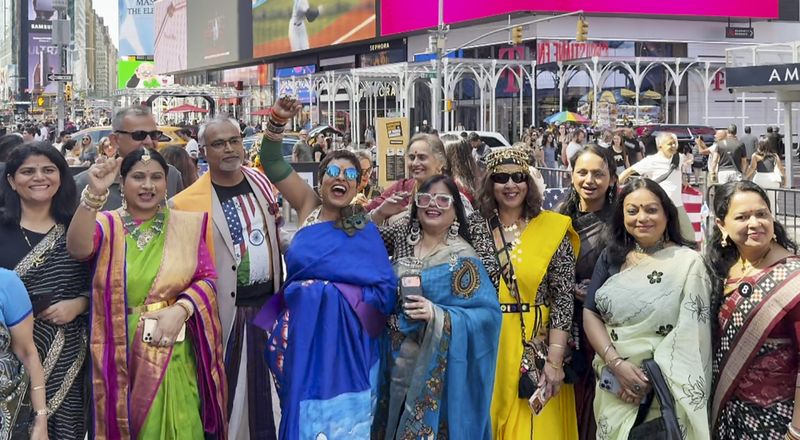
Diversity of Indian sarees, textile heritage displayed by diaspora women at Times Square
5 days ago
 Culture
Diversity of Indian sarees, textile heritage displayed by diaspora women at Times Square | Hindustan Times
6 days ago
 Culture
Yogi Adityanath attacks Rahul Gandhi over Manusmriti remarks, asks 'why destroy India's heritage?'
1 week ago
 Culture
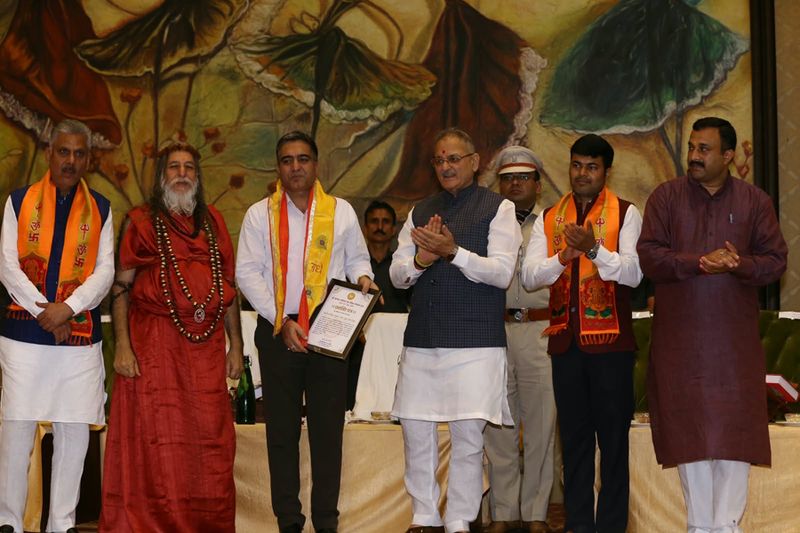
Sanskrit is vital link between India’s civilisational heritage and its future: HP Governor Kavinder
1 week ago
 Culture
Father leaves 7-year
1 week ago
 Culture
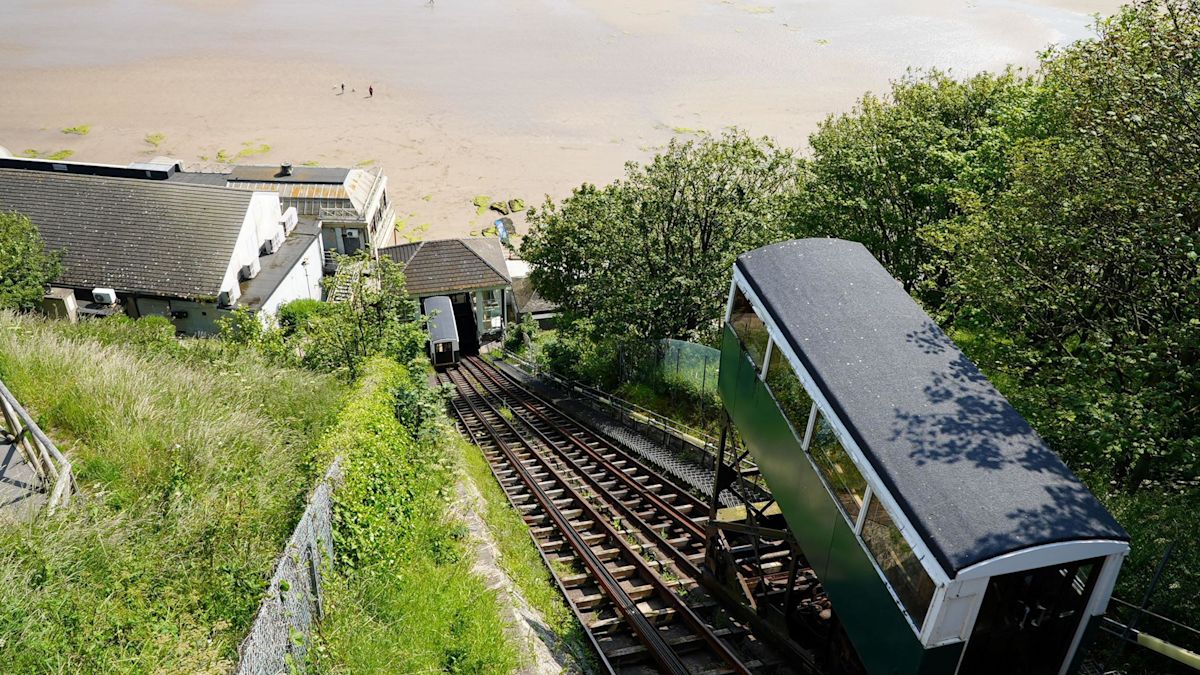
Cliff lift closed due to public safety concerns
1 week ago
 Culture
Youth must become custodians and ambassadors of Indias cultural heritage: Vice President
1 week ago