
Queen Camilla hears Catholic Sisters' witness from the world's frontlines
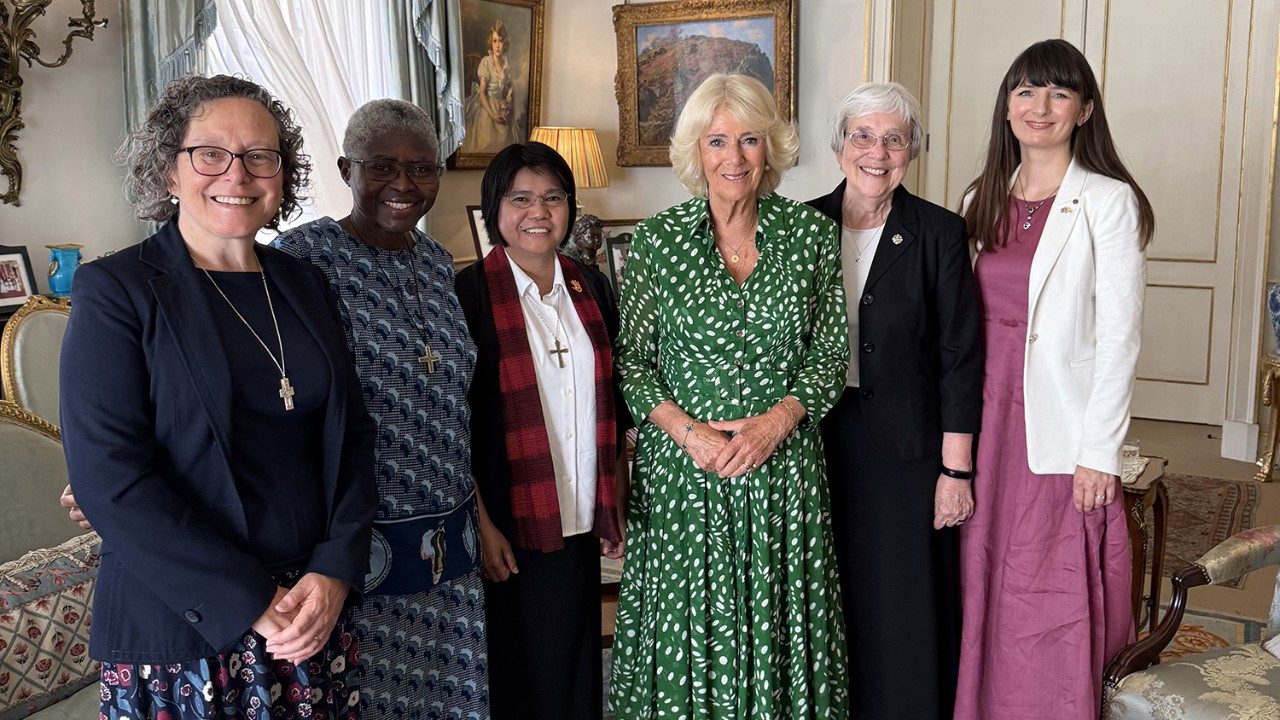
Queen Camilla hears Catholic Sisters' witness from the world's frontlines
Less than a year after their first encounter during the State Visit of King Charles III and Queen Camilla to the Holy See, representatives of the International Union of Superiors General (UISG) travelled to London to meet once again with Her Majesty at Clarence House, sharing stories from the front lines of their mission among some of the world's most vulnerable communities.
The audience on Wednesday offered an opportunity to reflect on the work of Catholic Sisters serving across every continent, particularly their commitment to protecting women and girls affected by conflict, trafficking, poverty and the growing impact of climate change. It also highlighted the continuing collaboration between the UISG and the British Embassy to the Holy See in supporting initiatives that promote human dignity and resilience.
Dr Anabel Inge, Chargé d'Affaires ad interim at the British Embassy to the Holy See, described the meeting as "a really special, joyous occasion," noting that the invitation reflected Queen Camilla's deep appreciation for the work of women religious.
"I don't think any of us expected that the sisters would be invited to Clarence House so soon," she said. "It really speaks to the quite deep appreciation of Her Majesty the Queen for the work of the religious sisters."
Having worked closely with UISG over the past five years, Inge praised the Sisters' quiet yet courageous witness.
"I have had the distinct impression that this work is often done very quietly, without fanfare, with great humility and in some of the world's most difficult places," she said, pointing to the qualities she believes distinguish their ministry: "trust, presence and continuity" within local communities.
"They are embedded in local communities... they will stick around even during conflicts, frequently putting themselves at great personal risk."
For Sister Roxanne Schares, Executive Secretary of UISG, the meeting was an opportunity to speak about the thousands of women religious who remain alongside people living through war, displacement and hardship.
"Our sisters worldwide are really present with the people wherever they serve," she said. "Whether it's a university, a kindergarten, social work or pastoral work, their presence is a source of comfort, support and courage."
She recalled recent conversations with Sisters serving in Ukraine, Lebanon and the Democratic Republic of Congo, where many have chosen to remain despite ongoing violence.
One Sister, she recounted, described leading frightened children into a basement during bombardments, reading passages from Scripture "to be another voice besides the sound of bombs."
Sister Roxanne said Queen Camilla listened with compassion and was "deeply moved" by these testimonies.
"I think she wants to be that support for the sisters globally in her own way and by her compassionate listening."
Young people leading the fight against trafficking
Human trafficking remained central to the conversation.
Sister Abby Avelino, International Coordinator of Talitha Kum, the worldwide network of Catholic Sisters combating trafficking, shared the network's growing efforts to prevent exploitation and accompany survivors.
She explained that online recruitment scams have become one of today's fastest-growing trafficking risks, particularly for young people searching for work.
"Young people are being vulnerable to online scamming," she said, explaining that Talitha Kum has responded by training young adults to become "Youth Ambassadors Against Human Trafficking."
The programme, first launched in Asia with the support of the British Embassy to the Holy See, has since expanded globally.
"They become the voices," Sister Abby said. "They become the agents of change."
She explained that the six-month programme equips young adults aged 18 to 30 to educate their peers about the warning signs of trafficking and exploitation.
The movement continues to grow. Talitha Kum now operates in more than 110 countries through 68 national and regional networks, while its global outreach in 2025 reached some 1.2 million people through prevention, protection, education, advocacy and survivor accompaniment.
Sister Abby stressed that behind every statistic stands a human life.
"There are stories behind the figures," she said, recalling the testimony of a survivor who, after escaping trafficking, now works to protect other young people from suffering the same fate.
Climate change and human dignity
Another theme raised during the audience was the growing connection between climate change, forced migration and human trafficking.
Sister Maamalifar Poreku, Executive Co-Secretary of the UISG-USG Commission for Justice, Peace and Integrity of Creation, described how environmental degradation is driving vulnerable families deeper into poverty.
"Climate change is real," she said. "It is not a story."
She spoke of communities that once lived from farming but are now facing prolonged droughts or devastating floods.
"People are forced to migrate. In the process of migrating, they are trafficked. And when they are trafficked, they are enslaved. It becomes a vicious circle."
Women, girls and young people, she said, are often those who pay the highest price.
To counter that cycle, many Sisters are promoting regenerative agriculture, environmental education and income-generating projects that help women become economically independent and keep children in school.
"It is counteracting the vicious circle," she explained.
Looking ahead, Sister Roxanne said collaboration remains essential, not only in responding to emergencies but in addressing the deeper causes of injustice.
"We keep having the same issues if we don't start addressing the root causes," she observed.
UISG, she explained, continues to strengthen formation in leadership, advocacy and synodality while fostering what she described as a growing "global sisterhood" capable of responding together to today's challenges.
The meeting at Clarence House offered another sign that this shared commitment extends beyond the Church, bringing together governments, civil society and religious communities in support of human dignity.
As Sister Abby concluded, echoing the call of Pope Leo XIV to safeguard the dignity of every person, "No single person or institution can fight human trafficking. Collaboration is the key."
Related Stories
 World
World
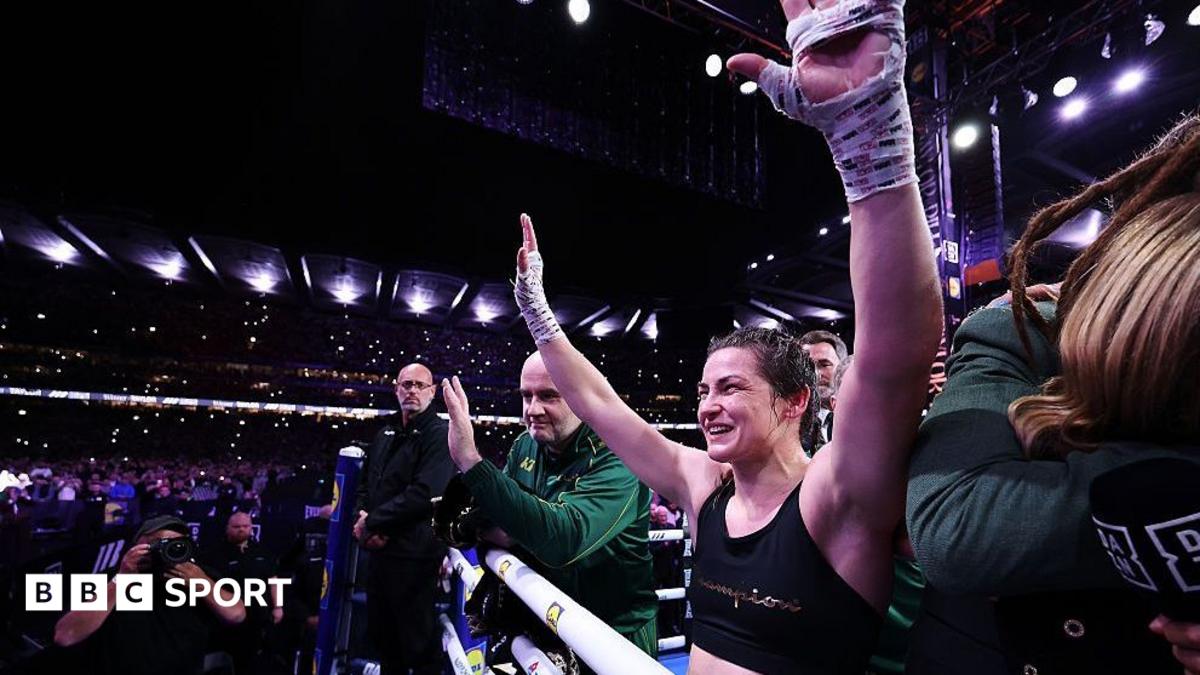
'One of the best'
11 minutes ago
 World
World
‘Big Brain’ taught to think like Oklahomans about politics and everything else
1 hour ago
 World
World
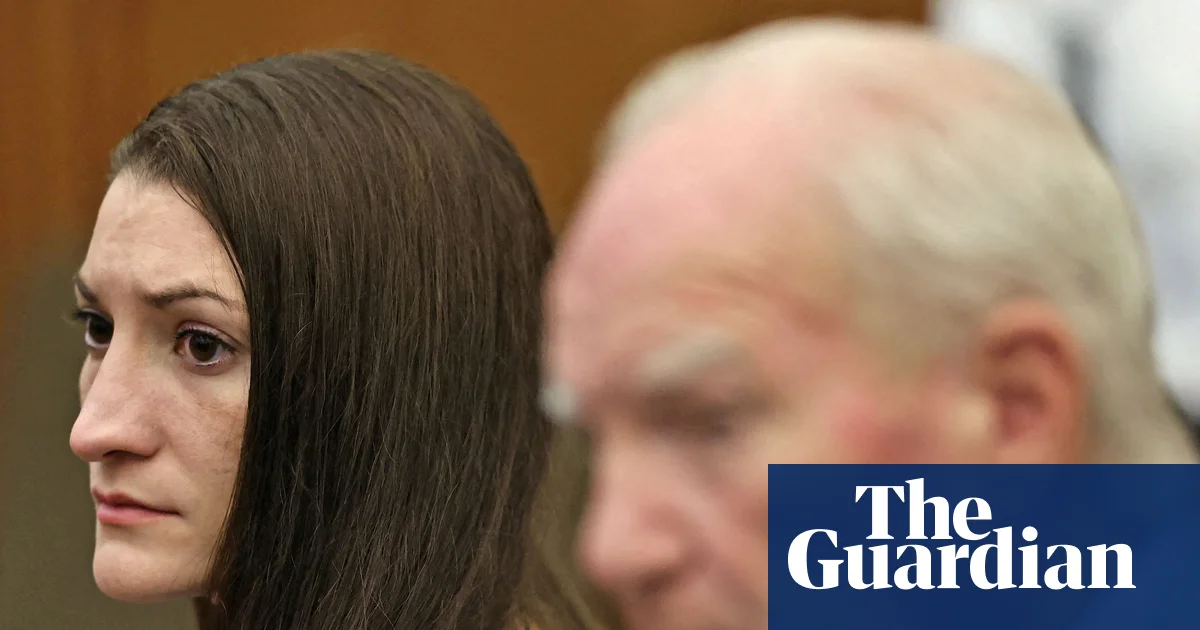
Lindsay Clancy judge declares mistrial
2 hours ago
 World
World
World News in Brief: September 4
2 hours ago
 World
World
Putin orders halt on Kyiv strikes for 3 days, to hold talks with US envoys today | World News
2 hours ago
 World
World
TradeXYZ's real
3 hours ago
 World
World
Katie Taylor vs Flora Pili: Ireland's boxing great crowns career in stylish Croke Park triumph
3 hours ago
 World
World
CENTCOM: US attacks 3 Iranian oil tankers
3 hours ago