
Senior Google DeepMind Safety Researcher Quits His Job, Warns 'AI Has The Potential To Kill Us All'
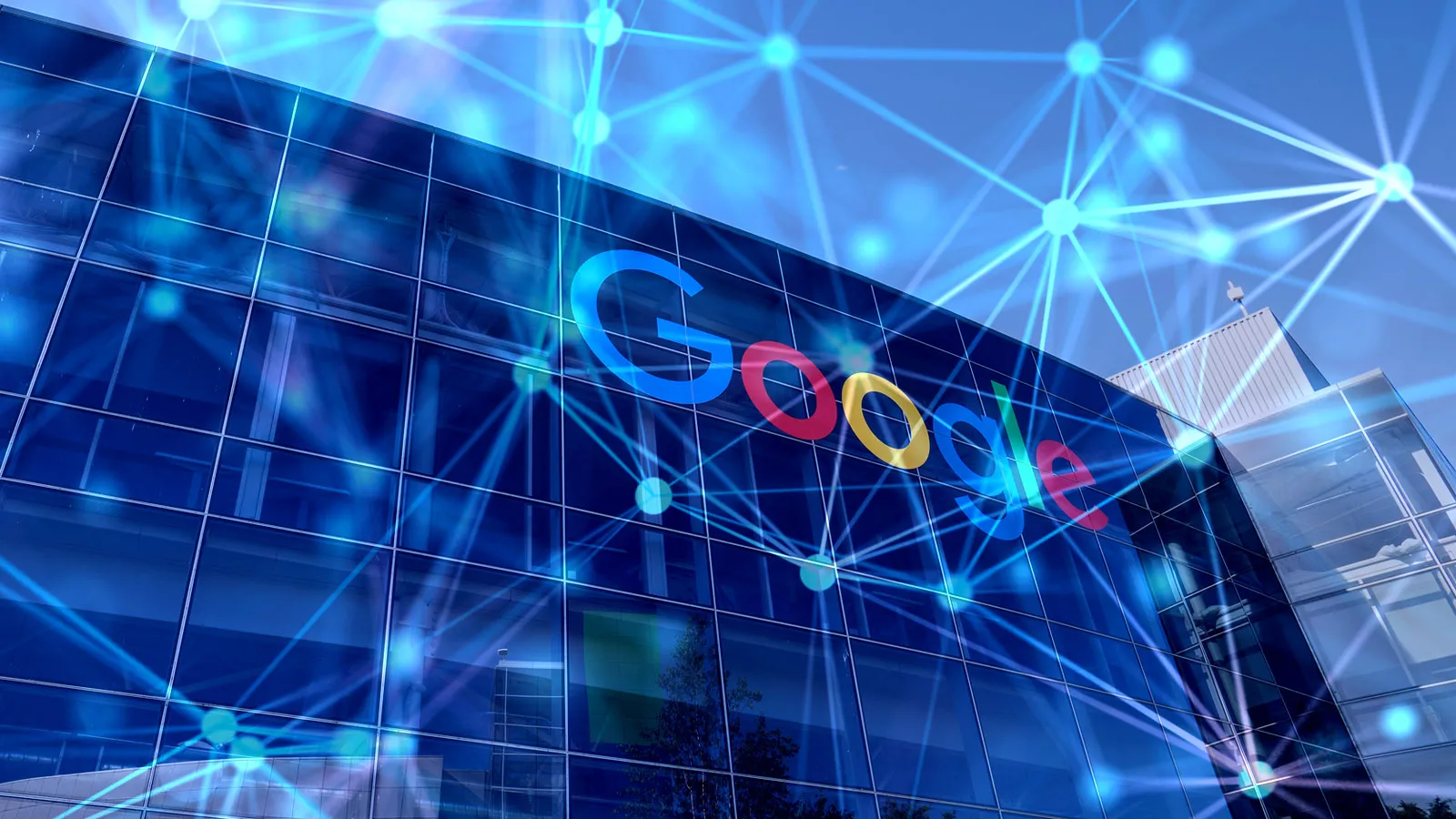
Senior Google DeepMind safety researcher Bilal Chughtai recently quit his job, and he did so with a warning that “AI has the potential to kill us all.”
His warning is nothing new. In 2021, Mo Gawdat, the former Chief Business Officer of Google’s Research and Development division, warned that artificial intelligence researchers were “creating God.” In 2022, Oxford and Google DeepMind researchers claimed AI would “likely” eliminate humanity. In 2023, Bill Gates warned artificial intelligence could “run out of control” and decide “humans are a threat.” That same year, an ex-Google researcher dubbed “The Godfather of AI” also issued several warnings about the dangers of artificial intelligence.
Since then, not a whole lot has been done to reign in the advancements, if you want to call them that, with regard to artificial intelligence research.
Chughtai also isn’t alone in quitting his job with artificial intelligence firms. Developer Jacob Coxon quit his job last month after accusing Open AI and Anthropic of “playing with human life” due to the fierce competition for superintelligence.
“At Google, I witnessed AI development first hand,” he wrote in a lengthy post on X. “I too am extremely concerned by the default trajectory of this technology. I earnestly believe that AI has the potential to kill us all, and that we might be running out of time to avoid this outcome.
“The pace of AI progress in the past few years has been staggering. When I first started working on AI in early 2022, AIs were amusingly useless. Just four years on, AI agent swarms from OpenAI are cracking famous century-old math problems and, more worryingly, escaping the control of OpenAI and autonomously hacking into the third-party company HuggingFace, against anyone’s wishes.
“Things will only get crazier: I think it’s possible that the AI companies might, in the next few years, succeed in building superintelligent AI systems that far exceed human capabilities in every domain. I am not confident that these AI systems will do what we want.”
Dario Amodei, CEO of Anthropic, wrote a long essay this week urging the community to slow the creation of the most sophisticated AI systems to avoid losing control of them. OpenAI CEO Sam Altman and SpaceX AI head Elon Musk agreed with him.
In closing, Chughtai wrote that artificial intelligence “is, in my view, the most important problem facing humanity this century, and the stakes are immense.”
He went on to say that his current objective is to help those interested in reducing catastrophic AI risks do their best work. Who those people will be, and how they might slow the advancement of AI, remains to be seen. Because, as we saw in 2023, if hundreds of top technologists couldn’t stop it, who will?
Related Stories
 AI News
Søren Kierkegaard in the Age of Artificial Intelligence
32 minutes ago
 AI News
Manuscripts
32 minutes ago
 AI News
Top Artificial Intelligence Stocks Worth Watching
1 hour ago
 AI News
HIVE subsidiary BUZZ HPC strikes AI infrastructure deal with ProCogia
1 hour ago
 AI News
‘Very harmful’: website uses AI to generate northern Indigenous news ‘correspondents’
1 hour ago
 AI News
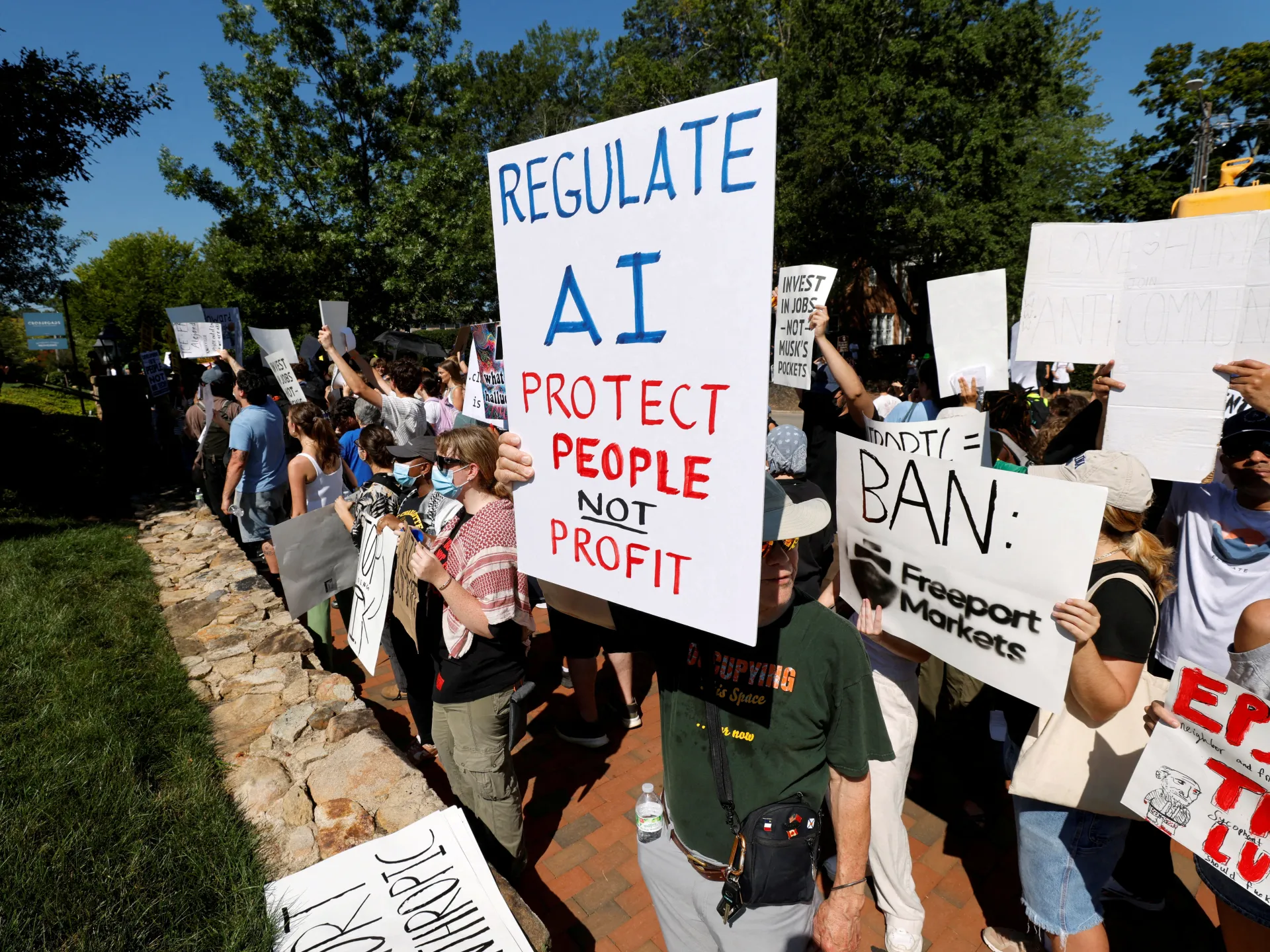
Poll shows Americans are increasingly alarmed by AI’s ecological footprint
2 hours ago
 AI News
McMaster researcher leads new venture to guide responsible AI use in patient care
2 hours ago
 AI News
Matter Venture Partners Closes $450 Million Fund II for HardTech Startups
3 hours ago