
The atomic bomb, a world
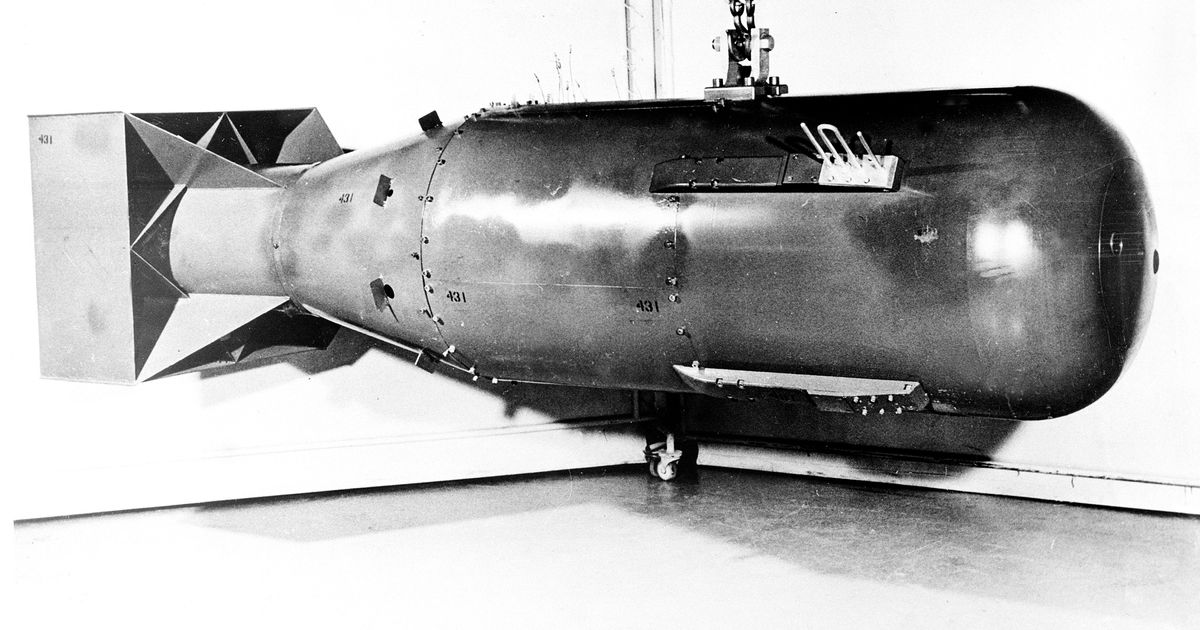
Sometimes inventions save countless lives. Sometimes they end just as many. Sometimes, they do both.
The United States dropped the first atomic bomb ever used in warfare on Aug. 6, 1945. The olive-green steel cylinder called “Little Boy” exploded above Hiroshima, Japan, killing tens of thousands of people, sickening many more and reshaping global politics forever.
Three days later, the U.S. did it again. The second bomb, named “Fat Man,” went off over Nagasaki where another 70,000 people died and tens of thousands more were wounded.
The airplane, the polio vaccine, the personal computer and other American inventions moved the world into a mostly better future. Though the atomic bomb hastened Japan's surrender and the end of World War II, it ushered in world annihilation fears and decades of arms races.
Traveling to his family home in the days after the Hiroshima bombing, United Press International reporter Leslie Nakashima found his mother safe and his hometown of 300,000 people destroyed. In an Aug. 27 report, he described the bomb's “stupendous destructive power."
In Nagasaki about a mile (1.8 kilometers) from the epicenter, Sumiteru Taniguchi was a 16-year-old delivering mail when the explosion threw him from his bicycle. It left him with a web of wounds on his back and three damaged ribs that painfully pressed into his lungs until he died in 2017.
On his way home from discussing Germany's defeat, President Harry S. Truman declared that "what has been done is the greatest achievement of organized science in history.” In America, jubilant crowds celebrated the war's end.
The bombs and threats that followed
The Soviet Union went on to explode its own bomb in 1949, followed by British, French, Chinese, Indian, Pakistani and North Korean programs. In the Middle East, nuclear capabilities remain contentious.
Some analysts believe the risk of nuclear destruction has helped quash armed conflicts. But many point to the new and unknown risks created by the violent competition over becoming the next nuclear power.
Artificial intelligence has increased nations’ abilities to defend against terrorism, cyberattacks and drones. The biggest threat to modern civilization is a nuclear weapon in the hands of irresponsible populists, former British diplomat Tim Willasey-Wilsey wrote in a recent essay.
“The greatest danger of a massive global shock would come from the use of a nuclear weapon in anger for the first time since 1945,” he wrote. “A nuclear war will not be about an inability to join dots but another massive failure of human imagination.”
Part of a recurring series, “American Objects,” marking the 250th anniversary of the United States. For more American objects, click here. For more stories on the anniversary, click here.
Related Stories
 World
World
Fredrik Lindgren completes the 2027 FIM Speedway Grand Prix line
53 minutes ago
 World
World
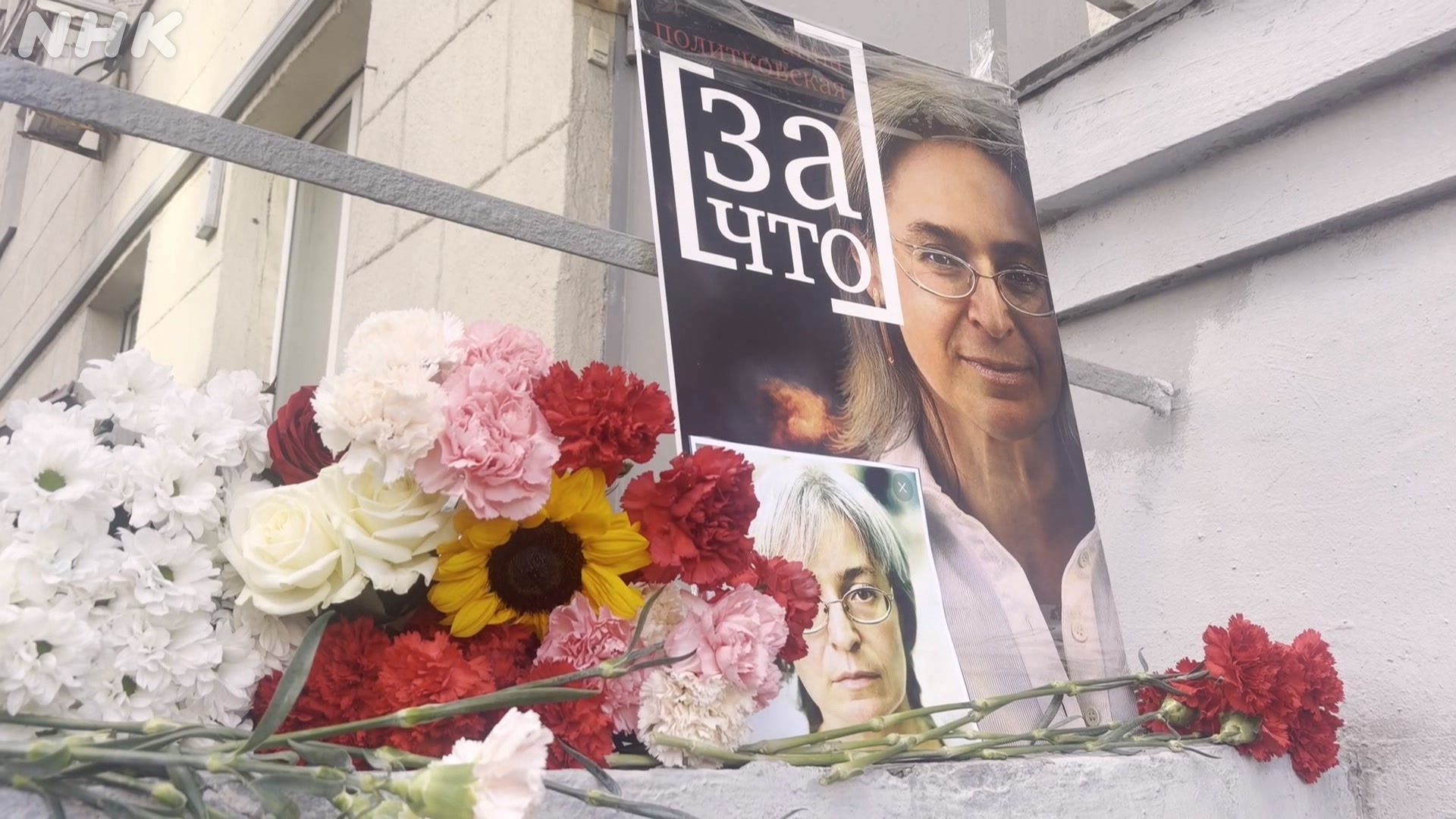
Putin critic's murder remembered 20 years on | NHK WORLD
53 minutes ago
 World
World
Pope for Mission Sunday: Evangelisation is always a work of love
53 minutes ago
 World
World
Northeastern invests a record $525m in financial aid, welcomes talented class to multiple campuses
1 hour ago
 World
World
UK’s military needs to focus spending on domestic defence, not overseas missions
1 hour ago
 World
World
Arsenal news: Max Dowman presented with three Guinness World Records
1 hour ago
 World
World
Christa Pike’s first words after surviving execution: ‘Where am I?’
2 hours ago
 World
World
Key equipment installed in BREST-OD
3 hours ago