
The Indian Culture: A Timeless Journey of Tradition and Innovation
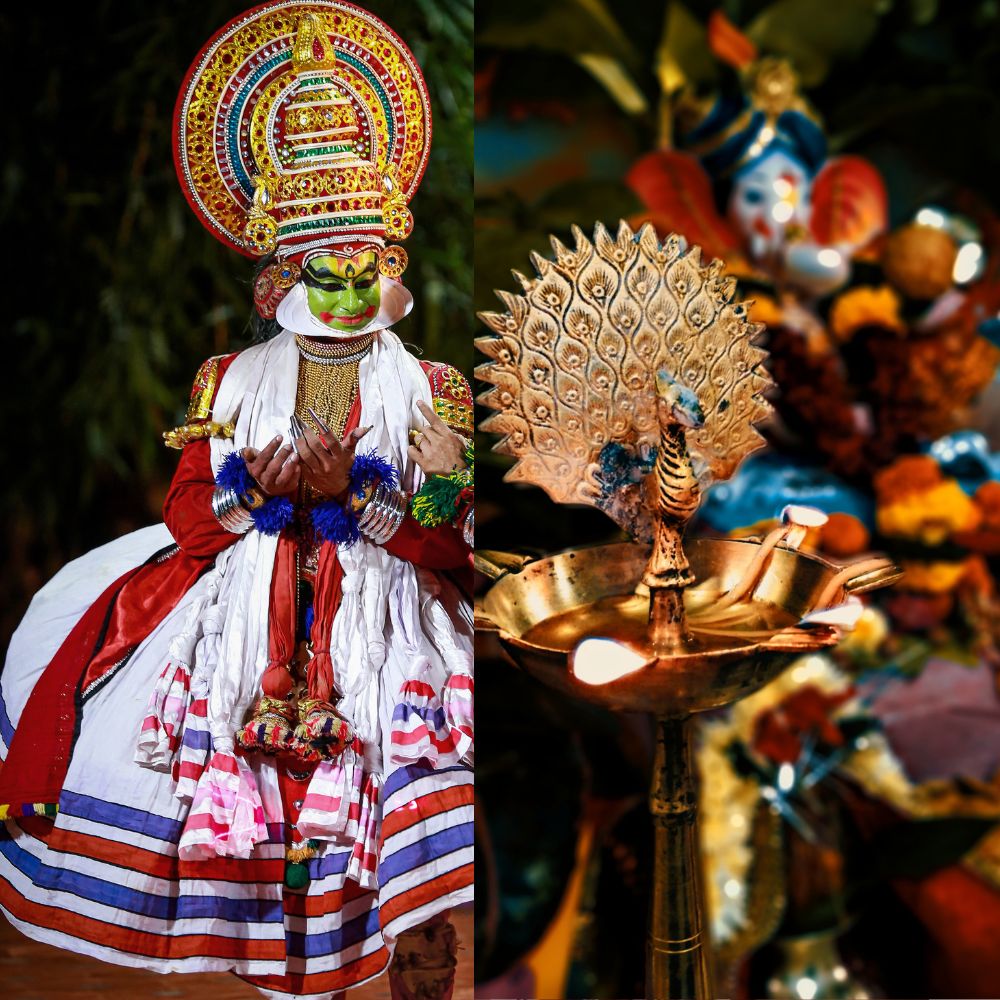
The culture of a nation plays a pivotal part in its development and progress. It portrays a glimpse of shared attitudes, goals, and perspectives toward society. Looking into the economic, social, and political aspects, culture tailored with creativity embraces the people of a nation. India is the largest democracy in the world with a diverse set of people.
Here, the importance of Indian culture is the quintessence of tradition. India has one of the largest collections of songs, theater, dance, performing arts, paintings, music, and several others. The Ministry of Culture supports individuals and creative groups with financial aid to preserve the nation’s traditions.
The Indian government also offers schemes and various programs which encourage Indian culture and heritage. Indian culture is a collaboration of social norms along with technologies that emerge from the ethnolinguistic perspective of India.
We can also associate the relevance of Indian culture with previous historical events like colonization, and global influence along immigration, which happened in regions like Southeast Asia. Our country glorifies its international presence with a wide variety of languages, food, architecture, and traditions that are specific to different parts of the nation.
Indian Culture, Importance and Significance
In India, our culture is influenced by several other cultures that stood impeccably at various times. Our heritage dates back to centuries, when we learned about the Indus Valley Civilization. Indian culture includes areas like philosophy, mathematics, dance, music, cuisine, and many others that have a deep impact on our current society along with the international landscape.
With the colonization of the British Empire, India also developed a local accent for the English language. The introduction and application of the English language hugely expanded the perspective of Indian culture and allowed it to diversify the nation’s medium of communication.
Religions in India like Hinduism and Buddhism along with Jainism and Sikhism have values concepts like dharma and karma. Father of the Indian nation, Mahatma Gandhi has always expressed his inclination towards ‘ahimsa’, which stands for non-violence in Indian culture.
Ahimsa inspired Mahatma Gandhi to proceed with civil disobedience during the Indian freedom struggle. Such approaches in voicing the people’s concern about the then system of a country also encouraged Martin Luther King Jr. during the American Civil Rights Movement.
Don’t miss: Important Festivals of India (State-wise)
Religions like Islam, Christianity, Judaism, and many others thrive in the Indian continent, where faith is upheld in the highest dignity. We as Indians truly believe that traditions, heritage, and guidance from God and our creators help us lead a happy and fulfilled life.
The ancient Indian texts and scriptures have been guiding us for thousands of years in being an ideal human being. Helping others and following the good path of dharma and karma always enriches our inner spirits. This is what it means to strengthen the importance of Indian culture.
In our Indian culture, the philosophical schools were very instrumental between 800 BCE to 200 BCE. Its teaching expanded till the 20th century when scholars like Swami Vivekananda, Swami Dayanand Saraswati Raja Rammohan Roy, and Shrimad Rajchandra spread the knowledge to our society.
However, due to shifts in the economy and the rising cost of living, the joint family system is gradually transitioning to the nuclear family system, which comprises a family of 2 to 3 members. Also, the rising prices of consumer commodities have indicated more members of the family to take up a job or start earning.
Here, a detailed context stands which might indicate that nuclear families portray more flexibility towards personal choices. Indian culture is currently shaped by an economy that is being built by both male and female individuals.
We all love Indian weddings due to the colors, music, flower decorations, and good food. An important aspect of Indian culture is our weddings, where months of preparation are followed by a holy ritual during the event. It is here when two lovely individuals tie the spiritual knot of protecting and loving each other for the rest of their lives.
Indian weddings and their culture is a picturesque of beautiful memories for a life together. Reports suggest that India annually celebrates about 10 million weddings. Both the families come together with their contributions and create a joyful event for the couple.
Indians are always respectful towards others and greet each other with ‘pranam’ or ‘namaste’. It shows our empathy towards one another and creates an inclusive conversational environment. Our greetings are so deep-rooted with positivity that people away from India choose to use such salutations in their daily lives.
We also have to consider that such forms of greeting might differ in the urban business environment, where a handshake is more used for greeting and starting a conversation.
Check out the Indian Culture and Its Sought-After Delicious Cuisines Indians live for good food which often has a big impact on our culture. We have diverse cooking preparations, a variety of spices, vegetarian and non-vegetarian dishes, a plethora of fish preparations, sauces and a large number of dessert options.
A renowned chef and expert, Sanjiv Kapoor shares moments of our history, when our ancestors gave huge importance to cooking and preparation of food. Our food items and their diversity cannot be simply matched by other cuisines.
Reports indicate that there was a time in history when the spice trade between India and Europe caused a surge in dominance of the Arab traders. This allowed explorers like Vasco Da Gama along with Christopher Columbus set out on a path of finding new trade routes, eventually leading to the ‘Age of Discovery’.
The Indian ‘curry’ got so popular in the world that it got termed as a ‘pan-Asian dish’. Over time, cuisines are also evolving with taste and the addition of different spices. The fast food industry has been growing rapidly in the major Indian metros, where people are enjoying every bite of spicy, hot, and delicious offerings by local food joints. Indians love their food and it is set to grow more in the coming years.
The culture of a country is the portraiture of a society’s heritage and respect towards life. It is not only a social concept, but also a spiritual one. We work and react toward life based on our teachings and knowledge. When we look at the importance of Indian culture, it dates back centuries ago, when India was a wealthy nation. But colonization created a massive dent in our reserves which is taking some time to cope with the current Indian economy.
The Indian Ministry of Culture has been very vocal about its programs and policies in supporting the nation’s traditions. We have started to look into our regional languages with more in-depth analysis along with the usage of the English language for official purposes. The Indian approach to consuming positive spiritual energy has been renovated with the structuring of the societal intellect. This is indicated with benchmarks like emerging as the current 5th largest economy. Our country is also ranked 3rd as the most favorable nation for the startup ecosystem. Well! Time seems to be on our side and is expected to accelerate towards greater heights.
Ans– India is the largest democracy in the world and has a diverse set of cultures and traditions. It is helping us share our vision for the future with a solid constructive plan, backed by our culture and knowledge.
Ans– Indian culture involves aspects like greeting namaste, creating impeccable cuisines, sharing a vast number of festivals and many more.
Ans– Indian culture believes in unity tailored to diversity which is an essential part of our tradition.
Ans– Indian culture is formed by a large number of traditions that date back centuries. With immense knowledge and rich history, Indian culture is one of the most celebrated in the world.
Read More-Indian education system is impacting our economy and culture
Related Stories
 Culture
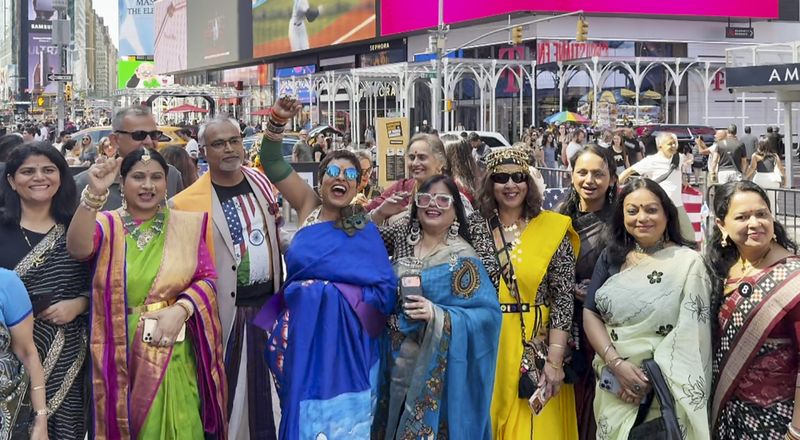
Diversity of Indian sarees, textile heritage displayed by diaspora women at Times Square
20 minutes ago
 Culture
Diversity of Indian sarees, textile heritage displayed by diaspora women at Times Square | Hindustan Times
1 day ago
 Culture
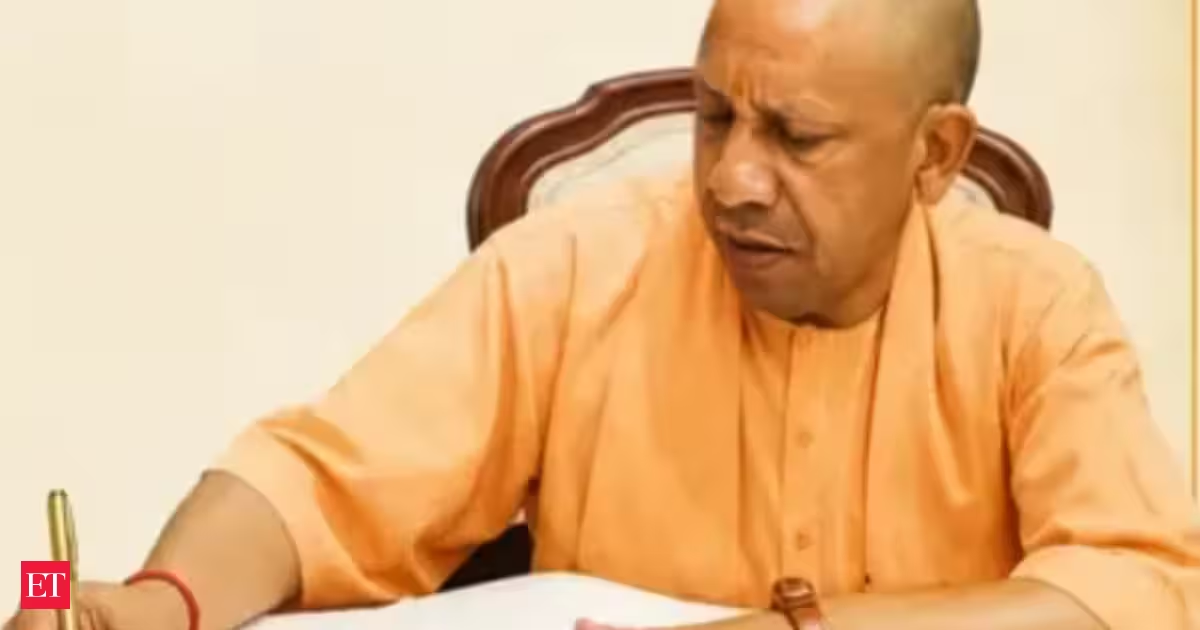
Yogi Adityanath attacks Rahul Gandhi over Manusmriti remarks, asks 'why destroy India's heritage?'
2 days ago
 Culture
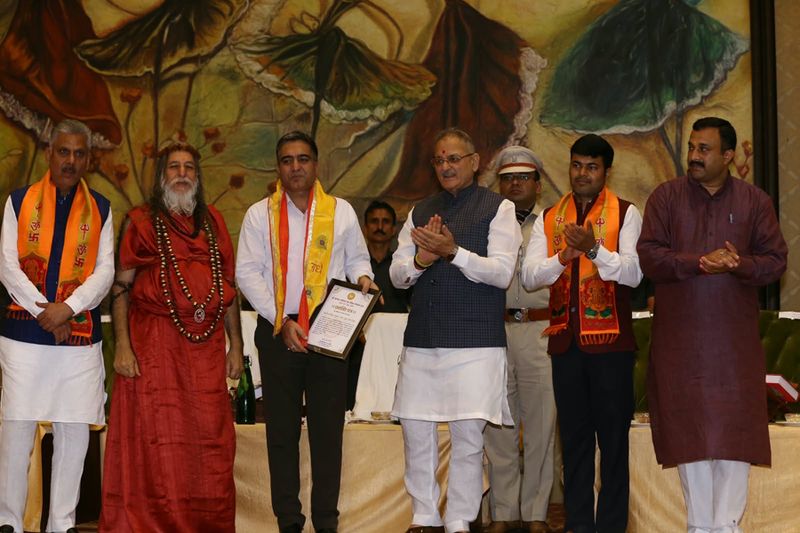
Sanskrit is vital link between India’s civilisational heritage and its future: HP Governor Kavinder
2 days ago
 Culture
Father leaves 7-year
3 days ago
 Culture
Cliff lift closed due to public safety concerns
4 days ago
 Culture
Youth must become custodians and ambassadors of Indias cultural heritage: Vice President
4 days ago
 Culture
August 15: Rashtrapati Bhavan To Showcase India’s Traditions And Cultural Heritage On 80th Independence Day
4 days ago