
The Rise of Black Fantasy and Afrocentrism in Film
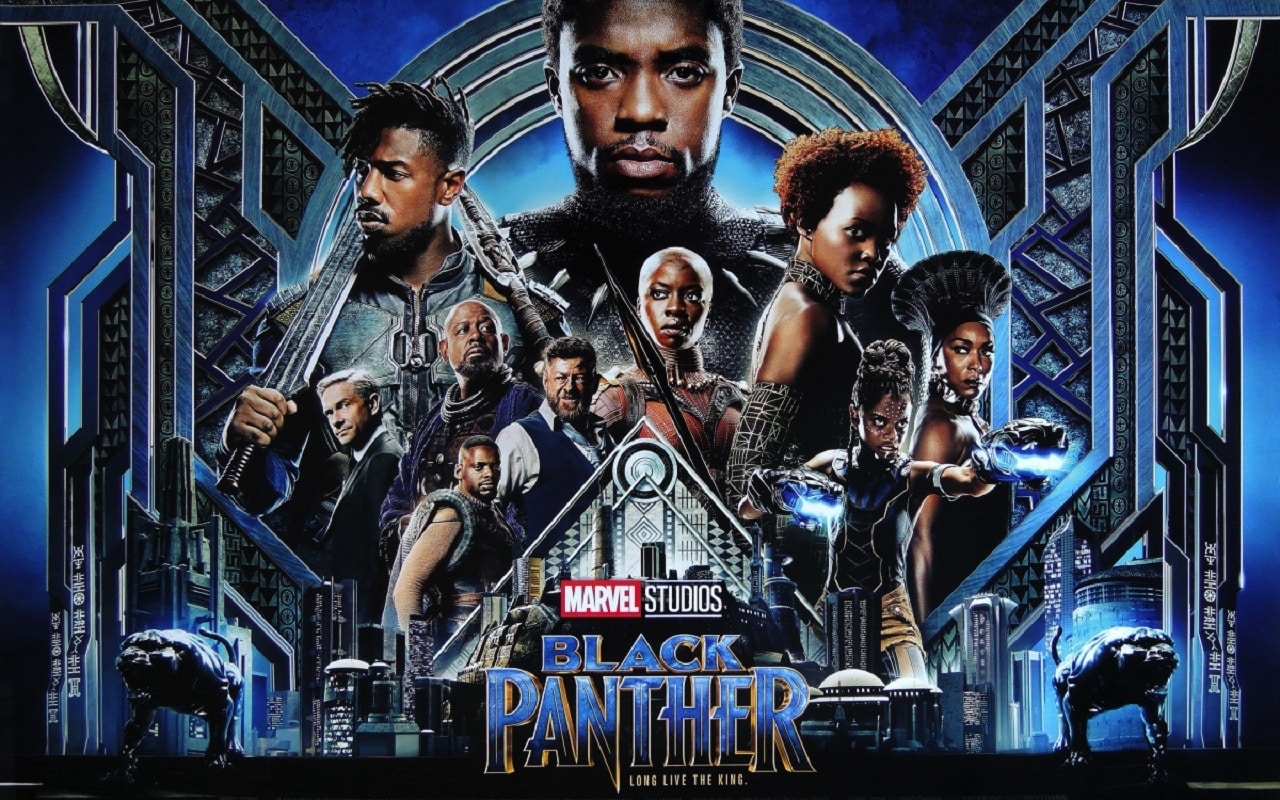
When thinking of Black fantasy and Black stories represented in film, I immediately think of Black Panther, Sinners, They Cloned Tyrone, Lovecraft County, and more. Black Panther even helped bring light to the term “Afrocentrism,” though storytelling through a Black lens goes beyond any one company.
“Afrocentrism” focuses on the influence of African cultures/African origins. It also believes that the worldview should appreciate and positively reflect on African traditions.
Through many movies and shows, Hollywood has often portrayed Black people through racist and stereotypical caricatures. Movies like The Birth of a Nation, Gone with the Wind, and others often portray Black people as servants and “mammy” stereotypes.
This article will highlight the natural, correct, and empowering close-up of what Afro-centered entertainment has done for many spaces and the entire impact it’s had.
Now let’s see how Black Fantasy is written to be more than magical:
Black Panther was a whole vision, not just a Movie:
Once 2018’s Black Panther movie hit theatres, there was no denying the impact on all audiences. Almost the entire cast was African American, and it was directed by the first African American director for a Marvel movie, Ryan Coogler. Gina Stacey does a wonderful job of further breaking down the hype about Black Panther.
Black Panther also broke the long-standing tradition of having a white male superhero lead in past Marvel movies, showcasing a wide range of African heritage and wonderful acting. For all Black audiences, including children and teens, this can be very impactful to see representation from a big company, such as Marvel.
Diving deep into the context of the movie, Wakanda did a nice job of offering what Africa would look like when Western depictions and expectations come into play. The types of clothing, traditions, and technologies that are shown within this movie are very futuristic and create a universe within itself, especially for Black communities. It shows how African Americans are successful, powerful, and very classy within this dynamic. With the following film, Wakanda Forever, it also delivered and did a nice job of keeping that powerful and rich dynamic for Black people within its telling. Not only that, but it showed how Black culture can help define a world.
I personally loved Black Panther and was very proud of how well the cast did with portrayals and representation, such as Chadwick Boseman and Lupita Nyong’o doing justice to both characters. Them being Black actors made this even more solid; they would know the struggles and background of racism, prejudice, and more. The actors made it seem very real and evident in what the movie follows.
Black horror is saying something to their audience:
We all know by now that Black fantasy isn’t limited and goes way beyond superheroes, history, and futuristic-framed cities. One of the most applauded and famous horror films of our time is Get Out, directed by Jordan Peele. This movie suggests real-life themes, such as racism, societal issues, stereotypes, self-identification, class, and even exploitation. The film follows a Black man named Chris and his white girlfriend, Rose; they both travel together to meet Rose’s family, and Chris soon finds out that his girlfriend and her family have been doing devious and strange activities to Black men in the film.
Within this movie, there are many uncomfortable situations that Chris has been put into numerous times, such as women assuming his package is large because he’s Black, Chris might be into sports, or how Rose’s dad kept announcing that he voted for President Obama. One of the things that stuck with me through this film was how the other Black people in the house (like Georgina and Walter) were brainwashed to the point where they couldn’t speak for themselves and had been replaced or hypnotized.
Not only is this film wonderful with the acting and tension, but it also brings up exploitation or profiting off of Black people for their experiences and culture. The Get Out movie is centered in the horror genre and brings the distinction of “Blackness is changing the genre,” which is so cool and so different. Bringing Black culture and history into a horror genre movie helps make audiences gravitate toward a film like this.
The thing about this movie is that it also gives the viewer a vision of what it’s like to witness friendliness disguised as racism. The family started off with a friendly undertone and ended up being wildly insane.
The most common concepts within this movie were hypnosis, body possession, and the sunken place. The hypnosis came from psychological control, the possession was from historical control and Black bodies being exploited, and the sunken place was losing the ability to speak while being trapped inside your own body.
Jordan Peele did a pretty good job of using different fantasy mechanics of a horror movie and giving them Black meaning/storytelling.
Why Sinners is More Than A Film?
Here we have another wonderful Black fantasy movie that made big numbers at the box office: Sinners, also directed by Ryan Coogler. Rather than this film focusing heavily on the Afrocentrism aspect, we can applaud Ryan for taking these types of genres and making them into our own, all for Black spaces. This film is more focused on folklore, heritage, and horror themes. The Juke Joint is more than a place and setting; it heavily hinges on the history of Black excellence and roots for music, dance, and even socializing. Black art comes in many shapes and forms and breaks the barriers of today’s norms.
This movie has become one of my favorites and has made it into my top movies of this century: the acting, messaging, music, and more.
Sinners has acknowledged Black culture at the center of mythology, which involves vampires and horror themes. I feel like Ryan Coogler wanted Black people to be at the center of being a vampire since this phenomenon really wasn’t built around Black people, so he for sure wanted to challenge a traditional image, and it made a good impression!
This film shows a visual of a vampire story being told through a Black perspective, which was wonderful and made me smile every moment of the movie!
Black Sci-Fi got Weird–Gen Z Loved it!
This 2023 science fiction film, They Cloned Tyrone, was an absolute domination with audiences when it hit Netflix. This film had an all-star cast with John Boyega, Jamie Foxx, and Teyonah Parris, and involved comedy, horror, and even thriller elements. This film follows a young drug dealer named Fontaine who investigates a series of events that unfold in his Black neighborhood. It might seem like a strange coincidence, but it goes deeper, involving cloning, mind manipulation, drugs, and even social engineering.
The film shows how cloning is only the beginning of the downfall. It takes a deeper turn when mentioning consumption, mind control, and even influence.
This film also felt unapologetically Black and very inclusive, with a stacked cast of African American actors. It didn’t try too hard. It felt just right with every hairstyle, fashion, and music that was mentioned. This movie also felt very woke and socially aware of what can be happening in real time, such as racism, cultural appropriation, control, and even consumerism.
Making clones in this film made the film even more disturbing; the more you think about it, the bigger the organization in this film controls black people by using food, drugs, social media, and conditioning, which makes this go even deeper!
Welcome to the New Age of Black Fantasy!
There is no denying that Black movies have been dominating almost every movie theatre, from Sinners to Black Panther, and more. Black characters are dominating the scene everywhere they go, and it’s showing more and more every year.
When a movie ends, the screen doesn’t just roll the credits and congratulate the actors and actresses; the fans and viewers make TikTok edits, watch interviews, cosplay, and create fan theories based on how the movie ended. Based on these movies’ success, this admits that a wider audience is begging for more and more stories along these lines that deal with real issues, Black-centered stories, and cultural moments.
Now that we are entering a new visual of Black stories, some movies don’t entirely center on racism, slavery, and trauma, but give a new visual of science fiction, horror, thriller, and even romance that audiences will love more and more. Afrocentrism goes over Black perspectives and Black culture. The music, community, and identity all filter through these films and make them really enticing as movies.
The future of Black cinema is always going to remain. Black-centered storytelling can become one foundation for all genres like horror, sci-fi, and even mythology, and the storytellers get to determine what genre or fantasy they’d wanna write and make it their own vision.
Related Stories
 Entertainment
Buckingham Palace works uncover trove of everyday items dating back to 1800s
34 minutes ago
 Entertainment
Nivin-Mamitha film becomes highest
9 hours ago
 Entertainment
Christopher Nolan’s The Odyssey becomes Universal’s highest
12 hours ago
 Entertainment
'Mirzapur The Movie' box office collection Day 9: Pankaj Tripathi, Ali Fazal, Ravi Kishan film holds strong collects Rs 12.5 crore as worldwide gross crosses Rs 245 crore
16 hours ago
 Entertainment
R Madhavan was asked to hide his marriage before 'Alaipayuthey'; the actor was told not to 'talk to the m
20 hours ago
 Entertainment
Kurnool girl makes a mark in Carnatic music
1 day ago
 Entertainment
WA screen industry says ‘Hooray for Bollywood’
1 day ago
 Entertainment
Box Office: Bethlehem Kudumba Unit emerges Malayalam cinema's new INDUSTRY HIT, surpasses Vaazha 2 in 22 days
2 days ago