
This is how artificial intelligence is already looking after our hearts
This is how artificial intelligence is already looking after our hearts
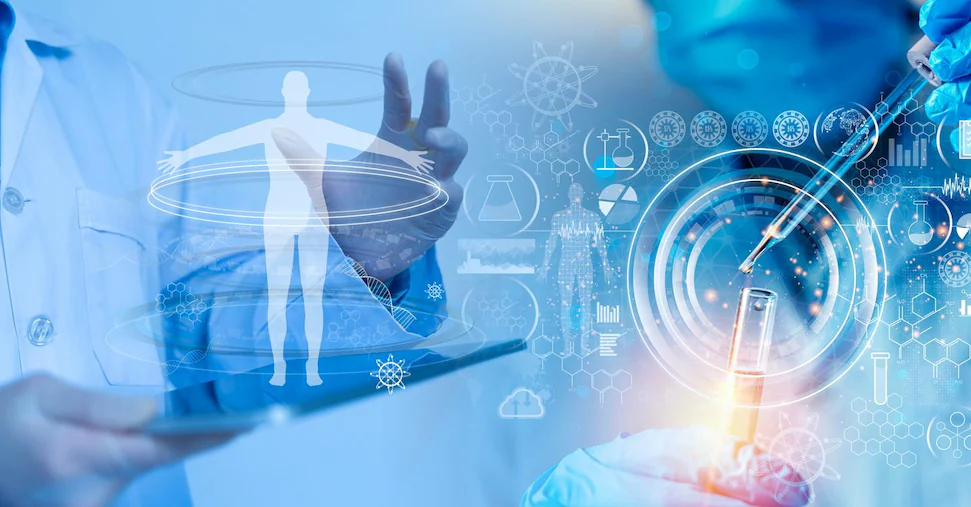
The European Society of Cardiology Congress has highlighted how AI is revolutionising clinical practice: its use is set to become increasingly widespread, with personalised screening, ever-faster diagnoses and tailored treatments
For feedback, please contact english@ilsole24ore.com
Mrs Rossi undergoes a mammogram. Whilst having the test to detect breast cancer at an early stage, she also finds out whether she is at risk of a heart attack, stroke or high blood pressure, thanks to a screening that also assesses the condition of her arteries. This scenario is based on research carried out in Israel. Once again. Mr Bianchi records a short, five-second video of his face. And perhaps, thanks to an analysis powered by machine learning, he discovers that he has high blood pressure or is living with diabetes, allowing him to start addressing the completely asymptomatic condition with his doctor straight away. This is the hope raised by a study conducted by experts at the University of Tokyo. What is the common thread linking these two situations? Simple. It’s called Artificial Intelligence. The research, among the many papers presented at the latest European Society of Cardiology (ESC) Congress in Munich, highlights the extent to which and the ways in which AI will change the outlook for the discipline, particularly in individual risk stratification, in the interpretation of diagnostic tests and in decision support, based on clinical guidelines and using dedicated programmes.
“We are witnessing a revolution, and in cardiology we have become accustomed to this: something similar to what happened just over a century ago is taking place, in 1925, when Einthoven invented the electrocardiogram,” comments Filippo Crea, President-elect of the European Society of Cardiology, who heads the Centre of Excellence in Cardiovascular Sciences at Gemelli Isola in Rome. “ The test has not replaced the cardiologist, and specialists have gradually incorporated it into their practice. AI is, and above all will be, of immense importance in clinical practice, with its use becoming increasingly widespread right from the moment of the consultation, from identifying individual risks thanks to the rapid interpretation of data, to helping us identify treatments tailored to the individual.’ An example? Think, for example, of treatments for high blood pressure and cholesterol. They are essential for preventing heart attacks and strokes, but are often started in people who are completely asymptomatic. “We know that people with high blood pressure or elevated LDL cholesterol levels face a much higher cardiovascular risk, and with treatment we aim to reduce this, whilst minimising any side effects,” explains Crea. ‘Increasingly, thanks to AI, we will be able to immediately and precisely determine what the actual risk is for the individual and how to address it, with tailor-made therapies.’ The other area being worked on – with results already available thanks to the adoption of ‘machine learning’ systems – is diagnostics. Think again of the face. ‘In the most severe forms of hypercholesterolaemia, classic signs such as xanthelasma or a corneal arc may appear: AI will help us to see in the face what the naked eye might not be able to detect,’ comments Crea. ‘And that’s not all. AI can detect abnormalities on an electrocardiogram that indicate heart weakness, just as echocardiography can tell us, even from a single image, whether there is a valvular abnormality, facilitating faster and more accurate diagnoses.” Finally, on the subject of treatment. It is important to follow the ESC guidelines, which distil the latest knowledge and help identify the most appropriate treatment. An AI-based chat service dedicated to ESC specialists is already available free of charge; within seconds, it provides the doctor with the most appropriate treatment recommended by the guidelines for each individual case. ‘In the future,’ concludes Crea, ‘thanks to AI, we will develop innovative drugs capable of precisely targeting the key mechanism underlying the disease, enabling us to increasingly create those “magic bullets” that Paul Ehrlich spoke of at the end of the 19th century. But be careful. Despite these advances and its formidable ability to provide immediate information, AI will never replace the dialogue between doctor and patient. Alex Zanardi, who recently passed away, said that AI is exceptional at providing answers but is unable to ask questions. That is why there will always be a cardiologist, and the patient will need to ask the specialist their questions: the cardiologist themselves will provide ever faster and more effective answers, thanks in part to the use of AI.”
Related Stories
 AI News
Anthropic drops plans to acquire Israeli AI startup Decart
1 hour ago
 AI News
AAEC Letter to Baltimore Sun Re: Use Of Artificial Intelligence
1 hour ago
 AI News
Eric Wu's newest company, out of stealth since May, is going after construction's labor crunch
3 hours ago
 AI News
‘No one is prepared’: ChatGPT maker’s top scientist sends an AI warning
3 hours ago
 AI News
AI cancer cures slowed by chip shortage, says UK's biggest tech boss
4 hours ago
 AI News
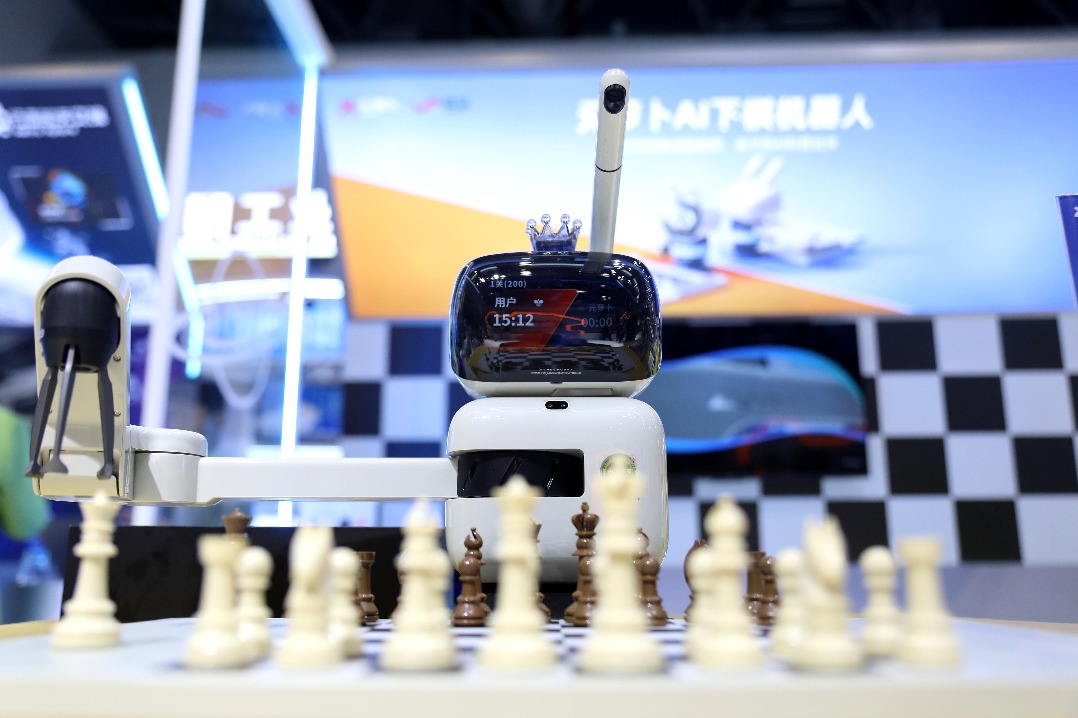
Artificial intelligence top draw at upcoming digital trade expo
4 hours ago
 AI News
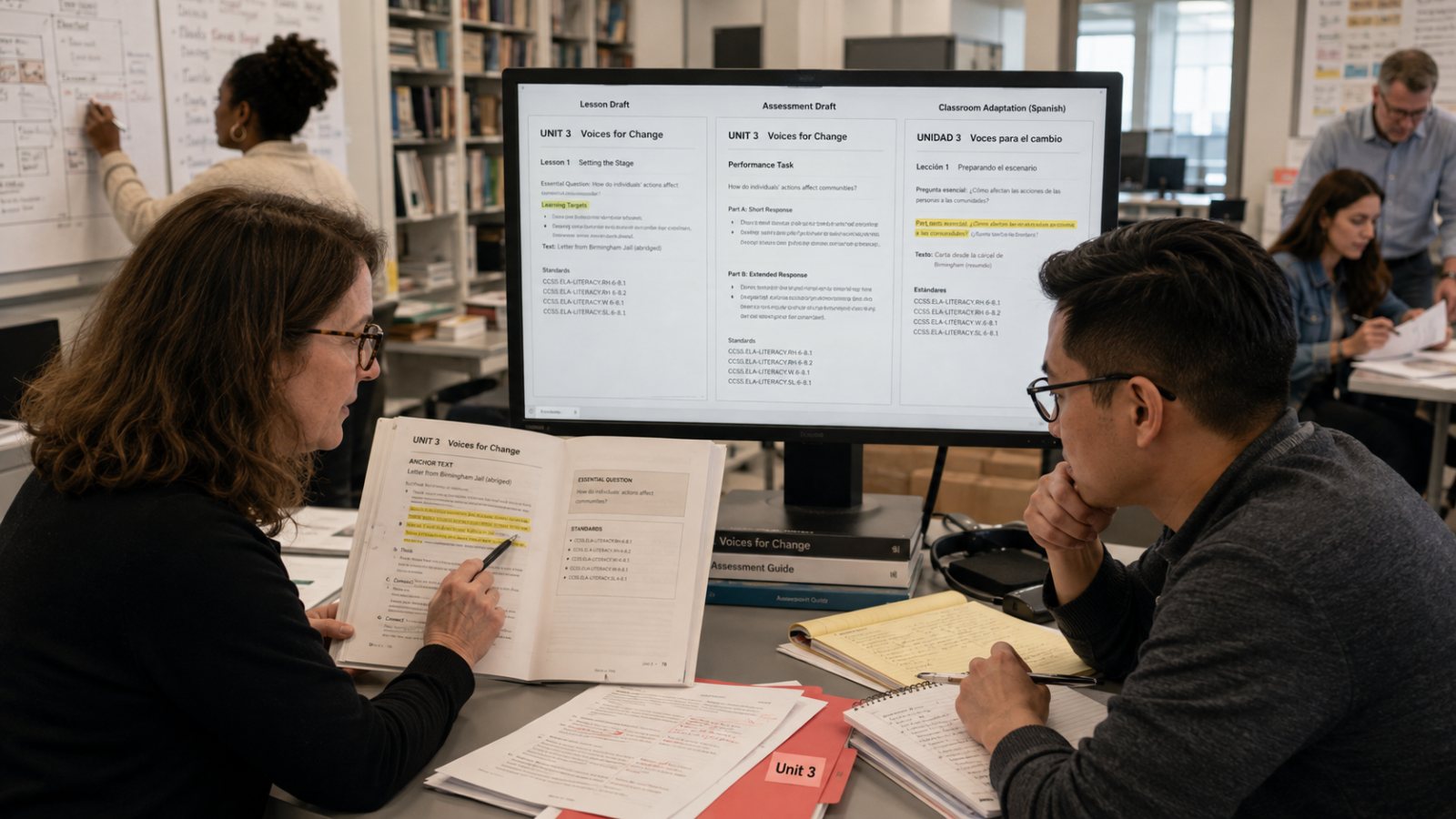
McGraw Hill Acquires Five
6 hours ago
 AI News
Trump backs data centers as voter concerns grow ahead of midterm elections
8 hours ago