
Vice President JD Vance in Switzerland for Iran talks with days

Vice President JD Vance held talks in Switzerland Sunday with Iranian officials, with the days-old peace deal at risk from Israel’s strikes on Lebanon and Iran’s threats to ships in the Strait of Hormuz.
Subscribe to read this story ad-free
Get unlimited access to ad-free articles and exclusive content.
Vance, joined at the negotiations by President Donald Trump’s special envoy Steve Witkoff and son-in-law Jared Kushner, met with a senior Iranian delegation to discuss the technical details of a memorandum of understanding signed last week. The talks were also joined by mediators from Qatar and Pakistan.
The deal has already been tested by fighting between Israel and the Iran-backed militant group Hezbollah in Lebanon, which Iran signaled would be central to the talks. “The first mandate of the negotiating delegation in Switzerland is to end the aggression in Lebanon,” a spokesman for Iran’s presidential office said.
Israel and Hezbollah have both accused each other of violating a ceasefire in southern Lebanon with continued strikes, even as the Trump administration and Iran press for fighting there to end.
Iran said Saturday that it has once again closed the Strait of Hormuz, a vital waterway through which 20% of the world’s oil passes, alleging ceasefire violations by Israel. The U.S. military has denied Iran’s claim to control the strait.
The Islamic Revolutionary Guard Corps’ navy warned ships not to approach the waterway, which Iran had committed to reopening under the interim peace deal.
After initial talks on Sunday, Vance told media that “great” progress had been made toward a future “where everyone can work together to promote peace and prosperity.”
Shortly after those remarks, Trump posted on Truth Social that “we’ll hit Iran very hard again, just like we did last week, only harder!!!” unless it stops “their highly paid PROXIES in Lebanon,” referring to Hezbollah.
In a Sunday morning phone interview with Fox News, Trump said he spoke with the Iranians overnight, delivering a stark warning that if Iran closes the Strait of Hormuz, the U.S. will “blow the s--- out of them.”
“You close it and you won’t have a country,” Fox News’ Trey Yingst reported the president telling him in the phone interview this morning. “You won’t even make it back to your f------ country.”
When told during the phone call about Iranian President Masoud Pezeshkian saying Iran will maintain its right to enrich uranium, Yingst said that Trump responded, “He better watch his mouth” and “he better shape up or we’ll take over the rest of the country.”
Trump described the U.S.-Iran memorandum of understanding as “just an option,” saying “I can do whatever I want after that option.”
Meanwhile, Iranian President Masoud Pezeshkian on Sunday issued an unusual warning to unspecified voices in Iran pressing for a return to conflict.
Continuing the war “is not in the interest of any individual or group,” he stressed, adding that if there are “internal rifts” in Tehran, “then there will be no need for Israel and America. We will destroy the country ourselves.”
Amid uncertainty over whether the Strait of Hormuz is actually open, Trump said Saturday on Truth Social that there would be “NO TOLLS” on the strait during or after the current 60-day ceasefire, “unless they are imposed by and for the United States of America.”
Trump added that the U.S. could charge tolls for ships passing through the Strait of Hormuz, referring to the U.S. as the “Guardian Angel” of the Middle East.
Iran, through various officials and channels, has said that the failure to implement the first clause of the MOU means there is no agreement in effect.
A violation of Article 1, which specified that fighting must end on all fronts, including Lebanon, “calls the entire agreement into question,” Iran’s Foreign Ministry spokesman Esmail Baghaei said Saturday, warning that unless the other side immediately adopts the necessary measures, the memorandum as a whole will face serious difficulties.
Israel killed at least 16 people in strikes in Lebanon on Saturday, according to the country’s health ministry, after strikes on Friday killed 83. That surge in strikes followed Hezbollah attacks that killed four Israeli soldiers in southern Lebanon.
A statement from the Israel Defense Forces on Saturday said Hezbollah had breached the ceasefire and “launched more than 50 projectiles toward IDF soldiers operating in southern Lebanon,” and that Israel had attacked what it described as Hezbollah targets in response. “The IDF remains committed to the ceasefire agreement,” the statement said.
Hezbollah said it had adhered to the ceasefire, accusing Israel of making false claims to justify its attacks in an effort to “sabotage the agreement” between Iran and the U.S.
Speaking to reporters before he boarded the plane to Switzerland, Vance said that the situation in Lebanon had “calmed down” despite news reports, and added: “I think we’re going to hopefully make progress on the nuclear issue, hopefully make progress on the Lebanon ceasefire issue. Those are the two big things that I think we’re going to be focused on.”
The current agreement establishes toll-free travel through the strait for 60 days.
Negotiations in Switzerland are also meant to resolve some of the thorniest issues in the deal that are yet to be agreed upon, including Iran’s nuclear program.
According to the memorandum of understanding, Iran has reaffirmed a promise not to develop nuclear weapons — which it did under the Obama administration’s 2015 nuclear deal.
Related Stories
 Careers
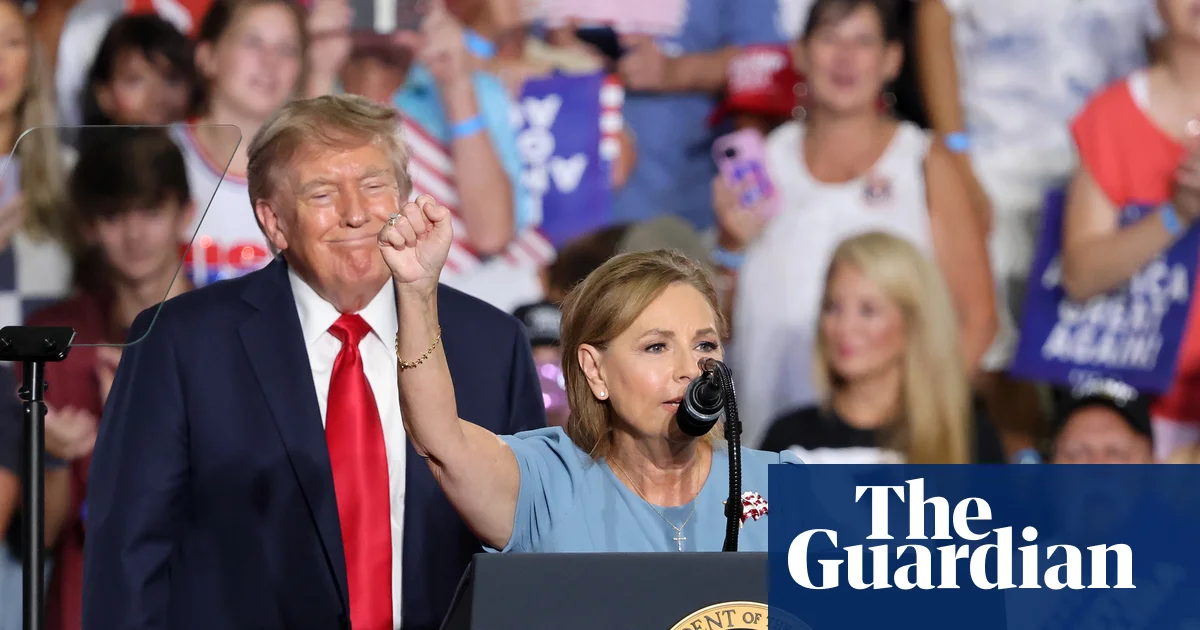
Tim Scott defends Darline Graham’s ‘national security is not my thing’ comment
10 hours ago
 Careers
Holding election in wartime would risk destroying Ukraine, says Zelenskyy
16 hours ago
 Careers
How does Peterborough Local Plan affect residents?
1 day ago
 Careers
US military newspaper editor voices censorship fears after being fired
1 day ago
 Careers
The Riotous and Raunchy New Comedy I've Been Raving About to All of My Friends
1 day ago
 Careers
Apple cuts more than 200 jobs as it scales back work on its $3,499 Vision Pro headset
1 day ago
 Careers
Libya’s brain drain, 15 years after Tripoli fell
1 day ago
 Careers
Editor of military news outlet that first revealed US aircraft carrier crisis says he was fired over interview
2 days ago