
Why AI is the new Uber

The pitch is usually the same: implement these tools, automate these workflows, reduce this headcount, improve that margin. The spreadsheet looks great. The board and your investors love it.
There’s just one problem. The economics underpinning those spreadsheets aren’t real.
Let’s be direct: AI token pricing is artificially low right now, and it is an intentional strategy — not a gift.
Remember when Uber was cheaper than a taxi? For years, Uber priced rides well below cost, subsidised by billions in venture capital, with the explicit goal of making taxis economically unviable.
It worked. And once the competition was gone and the habit was locked in, fares corrected. The average price of an Uber ride has risen approximately 94% since those subsidy days ended.
The bargain was never real. It was a ruthless customer acquisition strategy at planetary scale.
Frontier AI labs — whether you’re calling the API directly, using ChatGPT, or buying software that wraps these models — are running the same play. The unit economics are, by any honest assessment, deeply unsustainable.
OpenAI’s more than $20 billion in annual revenue looks impressive until you consider that they’ve committed spending more than $600 billion on infrastructure in the next 4 years. Where, exactly, do you imagine that money is going to come from?
And they’re not alone. Frontier labs that build the models many products rely on are spending vastly more than they recoup. That gap is covered by venture capital, with an expectation of returns once your workflows are dependent enough that you can’t easily leave.
Anthropic’s recent price increases are not an anomaly. They’re a signal.
Large enterprises have procurement teams, legal resources, and the leverage to renegotiate contracts. Startups, by and large, do not. What startups do have is a structural incentive to use current token pricing as a key assumption in their operating models, and that’s where real risk accumulates.
The AI cost-reduction pitch that’s most dangerous right now is this one: replace headcount (or don’t hire it in the first place) with AI tooling to growthmaxx before your next funding round.
On today’s token prices, that calculation can look compelling. But headcount reductions are structurally hard to reverse. Institutional knowledge leaves. Hiring pipelines atrophy. People you never hired don’t know how to run your processes. If token costs increase significantly (or even modestly compared to what Uber fares did), many of those businesses will find themselves without an ability to execute at a price they can afford to pay. That is not a theoretical risk. That is a predictable consequence of not doing the planning work.
Tokens have already hit cost parity with junior devs. Watch for the LinkedIn posts of tech founders inventing the concept of employees. Don’t worry, I’ll wait.
If you’re waiting on artificially subsidised pricing to validate your operating model, you are enabling your own future crisis.
To find the answer, we need to think about this less as a technology adoption problem and more as a vendor risk management problem. Because that’s actually what it is. Here’s what that looks like in practice:
None of this requires you to reject AI. It requires you to be a good operator who sees through the product marketing hype currently driving the narrative.
Here’s the thing: most of your competitors are not doing this work. They’re moving fast, building on today’s pricing, and making structural commitments—including workforce ones—that will be difficult to unwind.
The startups that will be best positioned in three to five years are not necessarily the ones that adopted AI most aggressively. They’re the ones that adopted it most thoughtfully: that built resilient cost models, preserved human capability in the places that matter, and structured their AI dependencies with the same rigour they’d apply to any critical vendor.
I promise you: doing this planning work now will serve you so much better than whatever your competitors are building on a subsidy that won’t last.
The Uber story didn’t end when the fares went up. It ended when the people who’d restructured their lives around cheap rides had no good alternative. Don’t let that be your business.
Related Stories
 AI News
Amazon invests another $1.9 billion in the Delivery Service Partner program
42 minutes ago
 AI News
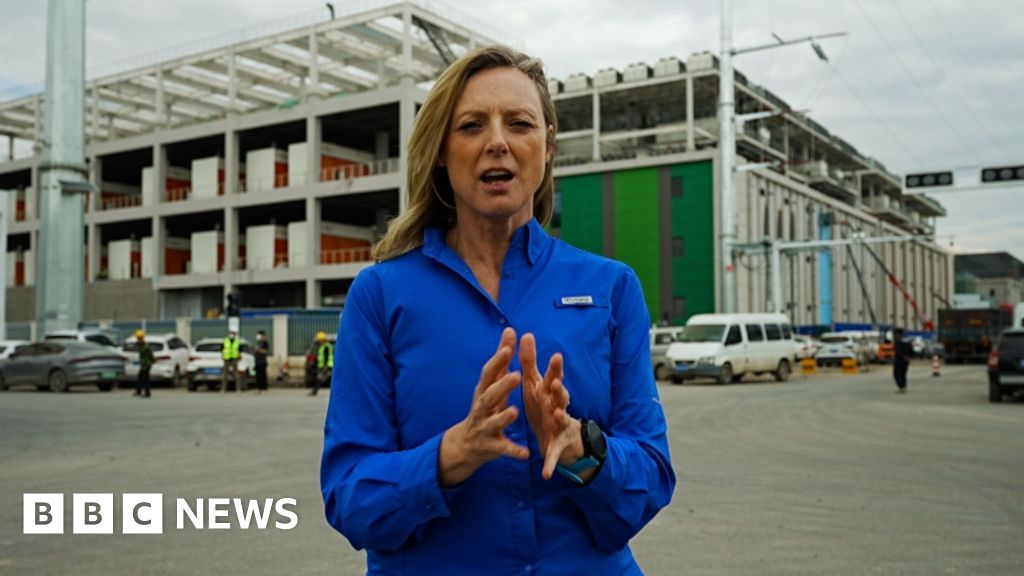
Rare look at the remote engine rooms powering China's AI ambitions
42 minutes ago
 AI News
Artificial intelligence 'creating, not cutting' jobs in Newport
42 minutes ago
 AI News
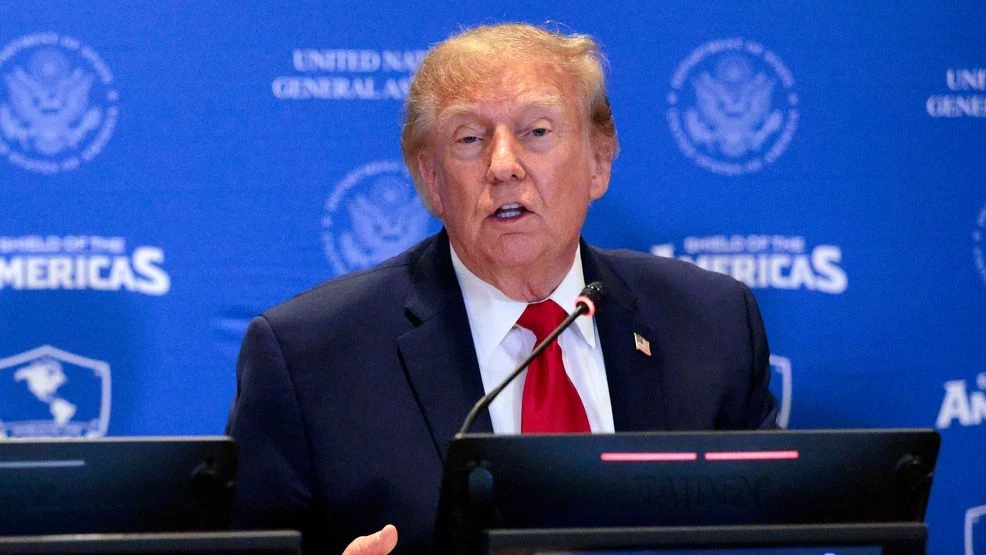
Trump pitches ‘super intelligence’ as new name for AI
42 minutes ago
 AI News
Minister says he's working with G7 to set up AI safety organization
42 minutes ago
 AI News
EASA Carries On With Cautious Approach To Artificial Intelligence
42 minutes ago
 AI News
Trump wants to rebrand artificial intelligence. It was almost called these 3 names
1 hour ago
 AI News
Trump tells world leaders AI should be called something else & he won't rein it in
1 hour ago