
Wildfire approaching? What Canadians need to know before evacuating
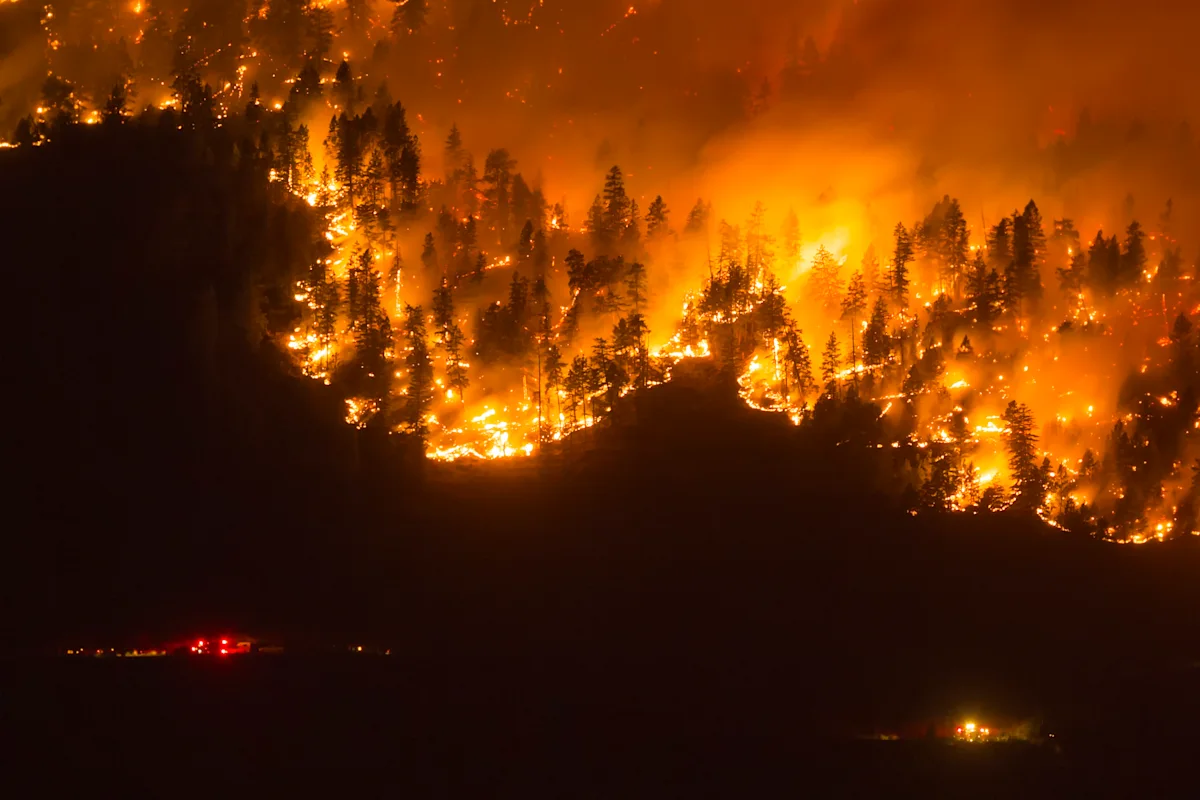
The first sign is rarely flames.
It's the smell of smoke drifting through an open window. An orange glow on the horizon. Then an emergency alert lights up your phone.
It is a scenario more Canadians are confronting as another intense wildfire season unfolds across the country.
In British Columbia's Fraser Canyon, firefighters are bracing for a difficult stretch as hot, dry weather and gusty winds threaten to push the Boston Bar wildfire complex even further, according to updates shared Thursday.
B.C. Wildfire Service officials say some communities are now essentially surrounded by wildfire, with evacuation orders in place and thousands of residents under evacuation alerts.
As flames, smoke and rapidly changing conditions force more communities to prepare for the possibility of leaving, one question keeps surfacing.
How much time do I really have to get out?
According to the Canadian Red Cross, the answer may be less than many people expect.
"One of the biggest mistakes is not anticipating the severity and how quickly things can move," Mark Holtzer, manager of Disaster Risk Reduction with the Canadian Red Cross, told Yahoo News Canada.
As hundreds of wildfires continue to burn across Canada and more communities face evacuation orders, Holtzer says many people assume a fire burning kilometres away poses little immediate risk. But wildfire conditions can change quickly as winds shift, roads close and evacuation routes become more limited.
That is why, he says, the time to prepare isn't when flames are visible.
"Once an evacuation order is issued, people should be leaving as quickly as possible," Holtzer said. "The time to start packing up is when there is a potential threat."
🔥 Don't wait for an evacuation order to pack
When an evacuation order arrives, every minute matters.
Holtzer says that is often when people begin searching for passports, prescription medication, family photos, pet supplies or important documents. By then, time can already be slipping away.
Local authorities work to provide as much warning as possible, he said, but there is no guarantee how much notice people will receive.
"Depending on the fire activity, sometimes you might have a couple of hours notice," Holtzer said. "That could even be shortened."
READ MORE: Is Canada doing enough to prevent forest fires from getting out of control?
His advice is to have an emergency kit packed well before it's ever needed.
The Canadian Red Cross recommends preparing enough supplies for at least three days, although Holtzer says five to seven days is even better if possible.
Every household's kit will look different, but it should include essentials like food, water, clothing, prescription medications, first aid supplies, flashlights and emergency tools, while also accounting for the needs of children, seniors, pets and anyone with mobility or medical challenges.
🔥 Can you use your debit card? Items people overlook
Food. Water. Medication. Most people remember those.
One item Holtzer says people often overlook is cash.
"We often don't know if where we're evacuating to will have power," he said. "Are you able to use your credit cards to purchase things?"
The other common oversight is something many Canadians rarely leave home without.
"We have our phone, but we don't have the charger," Holtzer said. "We know that our batteries, when we're using it, will tend to run out faster than we hope."
🔥 What should you do if flames or heavy smoke are nearby?
For people forced to evacuate through smoke, ash or areas near active flames, Holtzer's first piece of advice is simple.
"Trying to be as calm as you can" is important in a rapidly changing situation, he said.
Before wildfire season reaches your community, make sure your vehicle is ready.
That means keeping your gas tank at least half full, parking with your vehicle facing outward so you can leave quickly and knowing possible evacuation routes.
"Understand that these are the potential emergency routes I'll be taking," Holtzer said. "If this one becomes blocked, which way would I be going as well?"
Emergency crews work to keep evacuation routes open, he said, but wildfires can move quickly and conditions can change.
🔥 'The best time to prepare, if you haven't already, would be today'
Wildfires are unpredictable. Communities that never expected to evacuate can suddenly find themselves packing their lives into the back of a vehicle with little notice.
That's exactly why Holtzer hopes Canadians prepare before they're forced to.
"It's so unpredictable," he said. "We don't know what communities might be impacted and when."
His message is simple. Make a plan, build an emergency kit and talk with your family before an evacuation order is ever issued.
"The best time to prepare," Holtzer said, "if you haven't already, would be today."
Related Stories
 Canada
46-year
34 minutes ago
 Canada
AP top stories September 7
1 hour ago
 Canada
‘Get up, governor’: Trump takes shot at PM Carney with hockey cartoon
1 hour ago
 Canada
Sunshine returns on the East Coast as soggy storm lingers
3 hours ago
 Canada
First Fringe Festival for kids
3 hours ago
 Canada
Fallout from Metro Vancouver CAO's exit
4 hours ago
 Canada
Rapist serving life may face more assault charges
4 hours ago
 Canada
Toronto tops ranking of cities Canadians feel are more unsafe than they are: survey
4 hours ago