
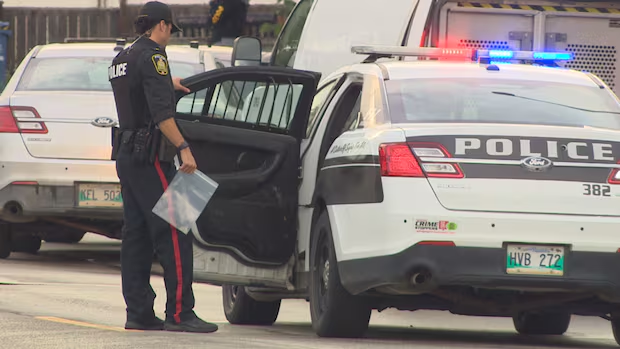
Winnipeg police staffing grows relative to population for first time in more than a decade
Winnipeg police staffing grows relative to population for first time in more than a decade
Statistics also show use of force dropped, complaints increased in 2025
The number of Winnipeg police officers relative to the city's population increased in 2025 for the first time in more than a decade, a new report to the Winnipeg Police Board says.
The board's annual Environment for Policing in Winnipeg report says the city had 166.8 police officers per 100,000 residents last year, up from 164.8 in 2024. It marks the first increase in the ratio since 2013.
That increase, along with a drop in the number of violent crimes in the city, might have enabled officers to respond to more lower-priority calls.
Statistics Canada data shows Winnipeg's population surpassed 850,000 people last year, rising by 8,245 people in 2025, creating additional demand for police resources, the report says.
However, the number of non-urgent calls police were dispatched to increased 12.5 per cent in 2025, while non-dispatched events — incidents requiring followup but not an immediate police response — decreased 7.3 per cent.
The report attributes the rise in non-urgent dispatched events, and the decrease in non-dispatched events, to a drop in the number of emergency calls and an increase in available police resources.
"The increase in available resources has allowed for an increase in proactive policing, as well as the dedicated specialty units that addresses a particular need in the community," board chair Colleen Mayer said in an interview.
She cited the new bail enforcement unit and downtown foot patrols as examples.
Despite the increase in the ratio of police to residents, Winnipeg remains below the national average of 180.3 police officers per 100,000 people.
Winnipeg police declined a request to comment ahead of the board meeting Friday.
A separate annual report found Winnipeg police used force less frequently in 2025 despite responding to more dispatched events overall.
Police filed 780 use-of-force reports last year, down from 968 in 2024. The rate of use-of-force incidents decreased from 0.40 per cent of dispatched calls to 0.31 per cent.
The report says officers resolved 99.7 per cent of dispatched calls without using force or displaying a weapon.
The number of shootings by police officers also decreased, from six in 2024 to two in 2025. One of those shootings was fatal.
The Winnipeg Police Service's Professional Standards Unit received 127 complaints in 2025, up from 93 the previous year and above the five-year average of 86.
Most complaints did not result in a formal investigation.
The report says 89 complaints were resolved through explanations of policies, laws or procedures, or after determining the incident did not involve police officers.
The professional standards unit conducted 38 formal investigations in 2025, slightly below the five-year average of 40.8.
Two complaints involved allegations of biased policing. Investigators concluded officers acted appropriately in both cases.
Helicopter linked to higher arrest rates in pursuits
Another report presented to the police board found police participated in fewer chases last year, continuing a downward trend.
Winnipeg police reported 47 pursuits last year, down from 64 in 2024 and well below the 122 reported in 2020.
The report highlights the role of the AIR1 police helicopter in helping officers safely track suspects.
The helicopter was involved in five pursuits in 2025, all of which resulted in an arrest, compared with a 24 per cent arrest rate when it was not involved. None of the helicopter-assisted pursuits resulted in injuries to officers, suspects or members of the public.
The police service is forecasting a $4.5-million deficit in 2026, its first-quarter financial report says.
The report says the shortfall is largely due to a $7-million savings target that is not expected to be fully achieved.
Cameron MacLean is a journalist for CBC Manitoba living in Winnipeg, where he was born and raised. He has more than a decade of experience reporting in the city and across Manitoba, covering a wide range of topics, including courts, politics, housing, arts, health and breaking news. Email story tips to cameron.maclean@cbc.ca.
Related Stories
 Careers
Macron refuses minister’s resignation after huge protests rock France
4 days ago
 Careers
Beau Lamarre
4 days ago
 Careers
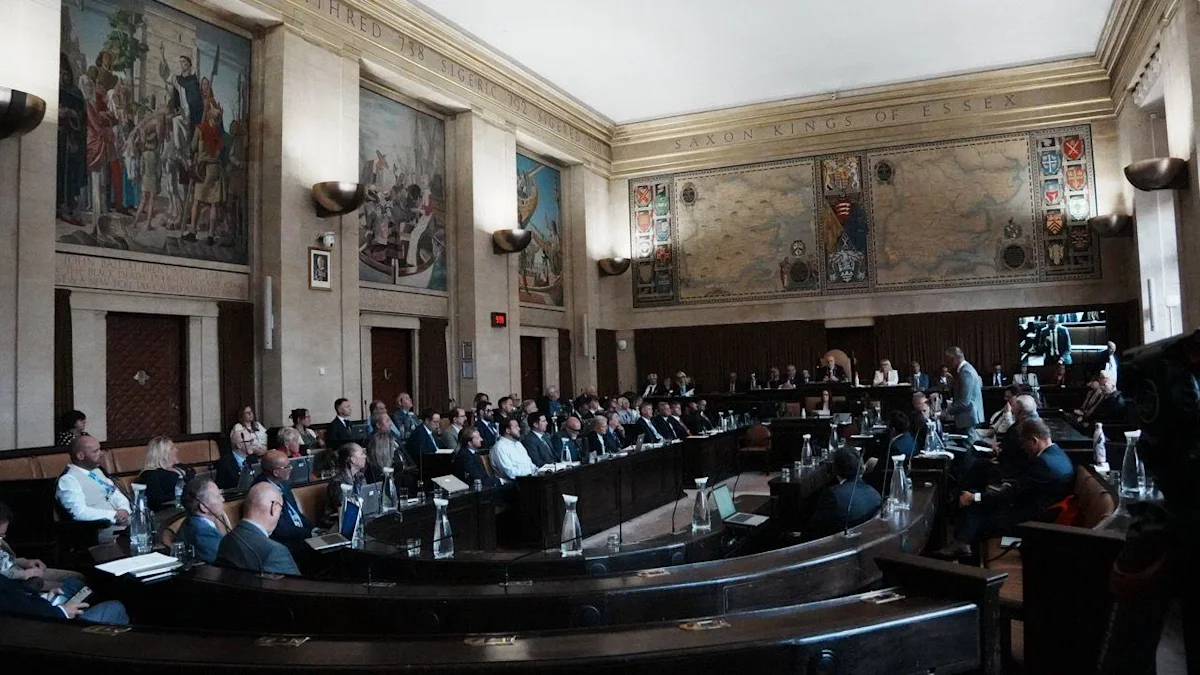
Withdrawn democracy reforms cost councils £5m
4 days ago
 Careers
Violent protests rock France as economic anger grows
4 days ago
 Careers
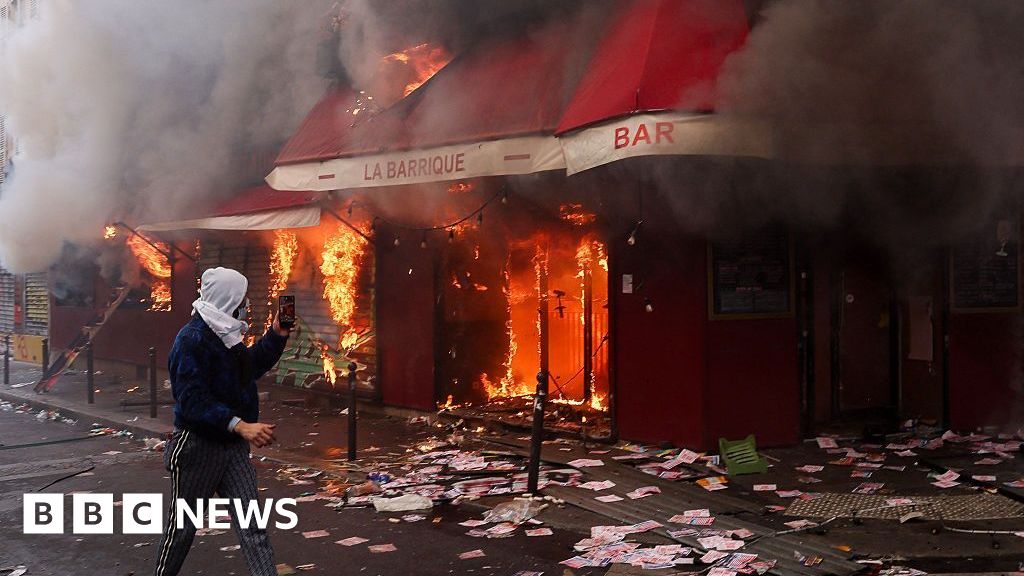
France protests: Violent clashes, looting and buildings ablaze as over 1,200 arrested
4 days ago
 Careers
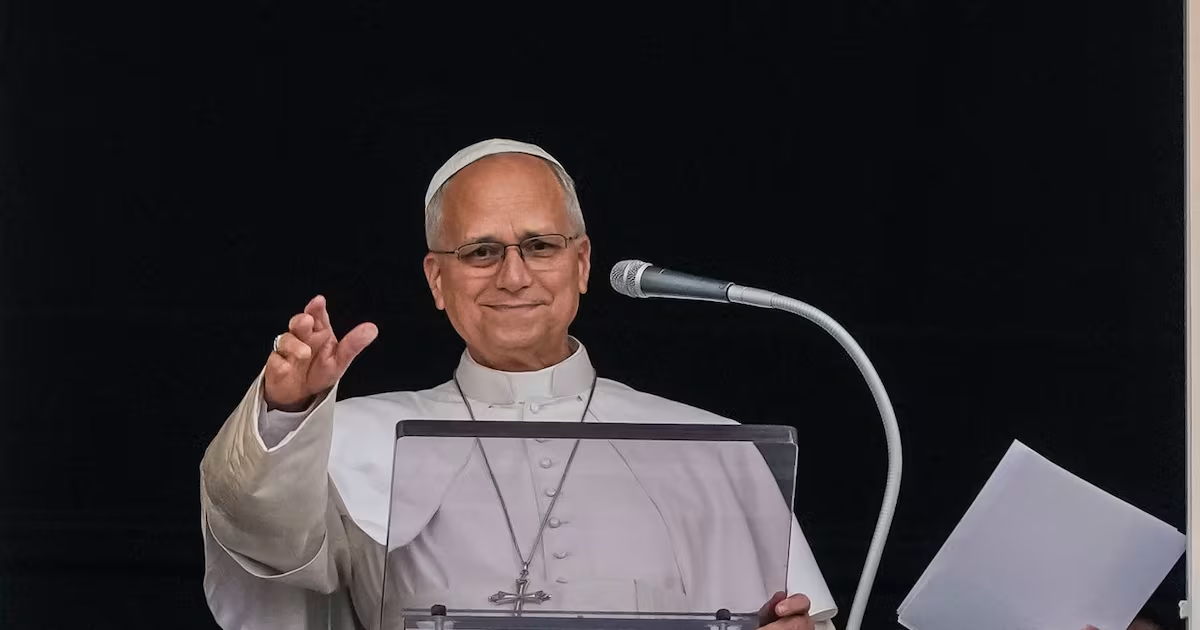
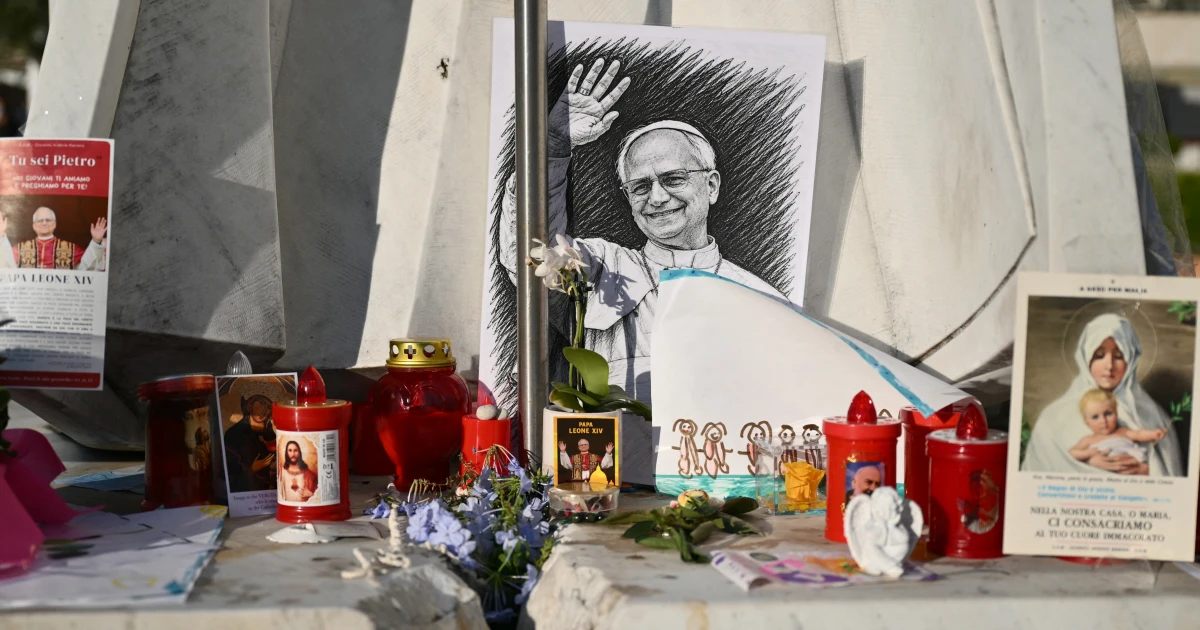
Pope Leo tells faithful in St. Peter's Square he will gradually resume duties after cancer surgery
4 days ago
 Careers
Gatineau's Julien Leblanc on getting back into the Octagon
5 days ago
 Careers
Pope Leo discharged from hospital after lung cancer surgery
5 days ago