
World Cup goals are way up. Is the ball to blame?
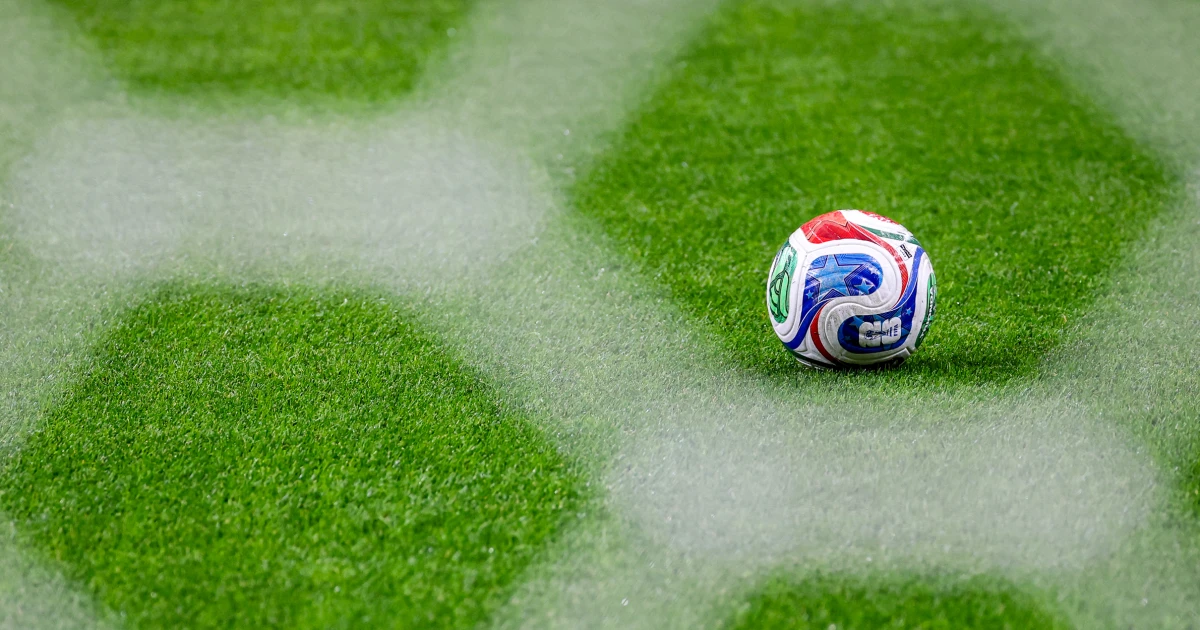
There’s a mystery at this year’s World Cup: Why so many goals?
Limited time: Save 25% on NBC News subscription
Get exclusive reporting, live Q&As and ad-free reading.
The 2026 tournament has the highest rate of goals per match in decades and is the first in World Cup history to have scored more than 200 goals (with two dozen matches still left to play). That, in part, is due to an expanded new format that has offered more teams the chance to compete and, possibly, rack up goals.
In a game not known for high scores, the pace of goals in this World Cup has left some fans scratching their heads.
Does the design of the official ball make for increased scoring? Are teams new to the World Cup easier targets for experienced squads? Is the tournament’s geographic spread influencing players’ performances? Are the new substitution rules allowing for more strategic striking? Experts say it’s difficult to pin down what exactly is causing the goal bonanza.
As of Wednesday, teams have logged a collective 231 goals across 77 games, or three goals per match, according to an NBC News analysis of Sports Reference data.
In the group stage, when all teams in the tournament play a fixed number of matches, this tournament has seen particularly high rates of scoring compared to past World Cups. Teams averaged nearly three goals per game, the most since the 1958 World Cup and nearly half a goal more per game than in 2022.
The high rate of goal scoring and the expanded tournament make for goals galore. The 2026 World Cup includes 48 teams playing 104 matches, compared to the most recent tournament in 2022, which featured 32 teams across 64 matches. More matches means more opportunities for teams to score, hence the all-time record for total number of goals scored.
Adding teams to the tournament means there are more opportunities for countries with minimal or no experience on the World Cup stage. Some countries have a long history of World Cup appearances — hosts Mexico and the U.S. appeared in the first games in 1930, as did 2022 finalists France and Argentina — whereas four teams are making their World Cup debut this year: Curaçao, Cape Verde, Jordan and Uzbekistan.
For decades, critics have argued that expanding the tournament is “diluting the quality of the Cup,” said Mauricio Borrero, a historian at St. John’s University.
“They said the same thing when they went from 24 to 32 [teams],” Borrero said, “and I still remember when the Cup was 16 teams to 24 and people were complaining it’s going to water it down.”
But more teams doesn’t necessarily mean worse talent. In recent decades, soccer has become even more globalized, with players playing across foreign club leagues during the regular season. This means athletes in Major League Soccer, Spaain’s La Liga and the English Premier League also fill the rosters of smaller, less-known countries, Borrero said.
Haiti, for example, has three MLS and two Premier League athletes on its roster.
Curaçao’s shaky entrance to the World Cup in its opening match against Germany is one example of how goal-scoring may come at the expense of a new team, Borrero said. While Germany dominated Curaçao 7-1, Curaçao performed better in its second and third matches, and Germany lost goals to lower-ranked Ecuador and Ivory Coast before being knocked out by Paraguay.
Some viewers have pointed to the ball as a possible factor impacting goal rates this tournament. Former England goalkeeper Joe Hart said on the BBC that he saw goalkeepers were having trouble getting a grip on the ball this tournament. Experts say it’s not that simple.
Since 1970, Adidas has partnered with the host country to craft a new ball for each tournament, reflecting the latest tech and cultural themes of the region.
This year’s ball, the Trionda, differs from its predecessors in the number of panels (four) holding it together as well as its embedded microchip that allows it to transmit data.
But researchers say this ball doesn’t travel significantly differently from past World Cup balls or other balls used in professional leagues.
John Eric Goff, a professor at Purdue University’s sports engineering center, has tested World Cup balls since 2010, when the Jabulani ball from South Africa’s World Cup became notorious for moving in unexpected ways. According to Goff, the Trionda is balanced and has similar aerodynamics to the ball used in England’s Premier League.
These balls are also more homogeneous than those in decades past, which were hand-stitched or used a variety of natural materials, said Andy Harland, a professor of sports technology at Loughborough University in the U.K. and consultant for brands and leagues making professional soccer balls.
Player perception of the ball can definitely influence a game, Harland said, as athletes rely on information like the ball’s color and sound to interpret spin and speed. But players adapt quickly and have experience using a different ball in every league and tournament.
“It’s an easy target to blame the ball,” Goff said. “But I’m not hearing a lot of players specifically singling out the ball in the way that they did” in 2010].
Instead, experts point to the ways sports technology has evolved, allowing teams to play smarter on the field, and the increased investment in more rigorous athletic conditioning and better training facilities.
“The ball is such a high-profile feature of the game and certainly of tournaments; people haven’t necessarily factored in the quality of the pitch that’s changed as well and the quality of the [cleats],” Harland said.
All World Cup matches are played on grass that’s rolled out onto stadiums’ concrete floors, as opposed to the typical turf of an American football stadium. The quality of soccer fields has improved dramatically, Harland said, with players less likely to be in muddy conditions like they were in the 1970s. This creates more uniform play and more controlled conditions.
However, many of the North American host cities are experiencing hot weather, which can dry out the field. Other cities are dealing with high humidity, which can make it trickier for players to turn on a dime. Goff pointed to the U.S. vs. Turkey match in Los Angeles, in which viewers saw several players slip and fall.
Altitude can also make an impact on ball movement; cities at higher altitude have a lower air density, which can make the ball appear to move faster, Goff said. But there hasn’t been a demonstrated impact on goals scored in cities at higher elevation, such as Mexico City, compared to others at sea level like Seattle or Miami.
As matches enter the knockout round, viewers may expect to see the same number of high-scoring games. While a majority of goals were scored during the group stage in the previous nine tournaments, rates of scoring were also higher than average in later games.
Related Stories
 AI News
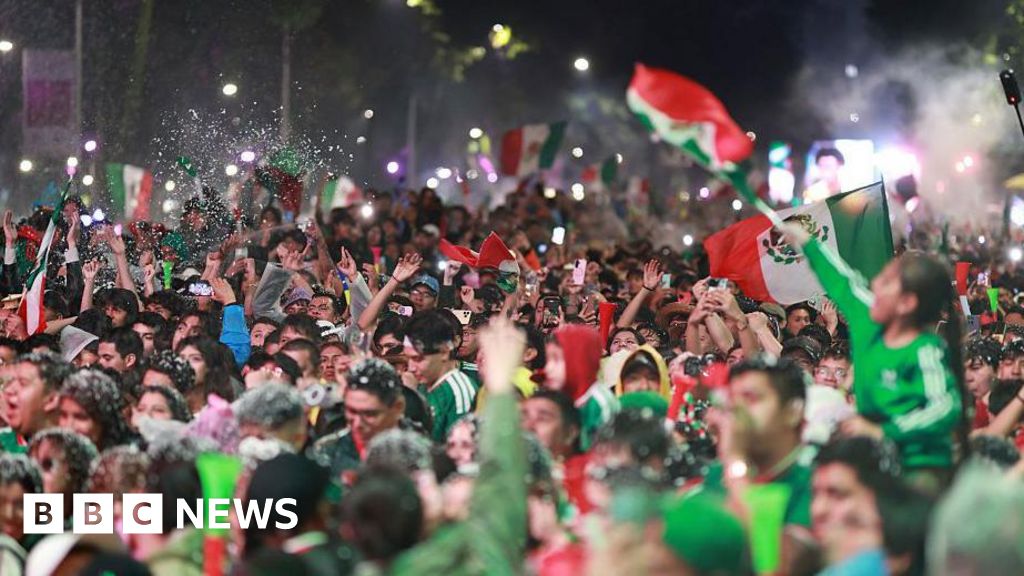
Three killed in Mexico City World Cup celebrations
23 minutes ago
 AI News
Stampede parade giving badges to girl guides
23 minutes ago
 AI News
Men jailed for cannabis farm near police station
24 minutes ago
 AI News
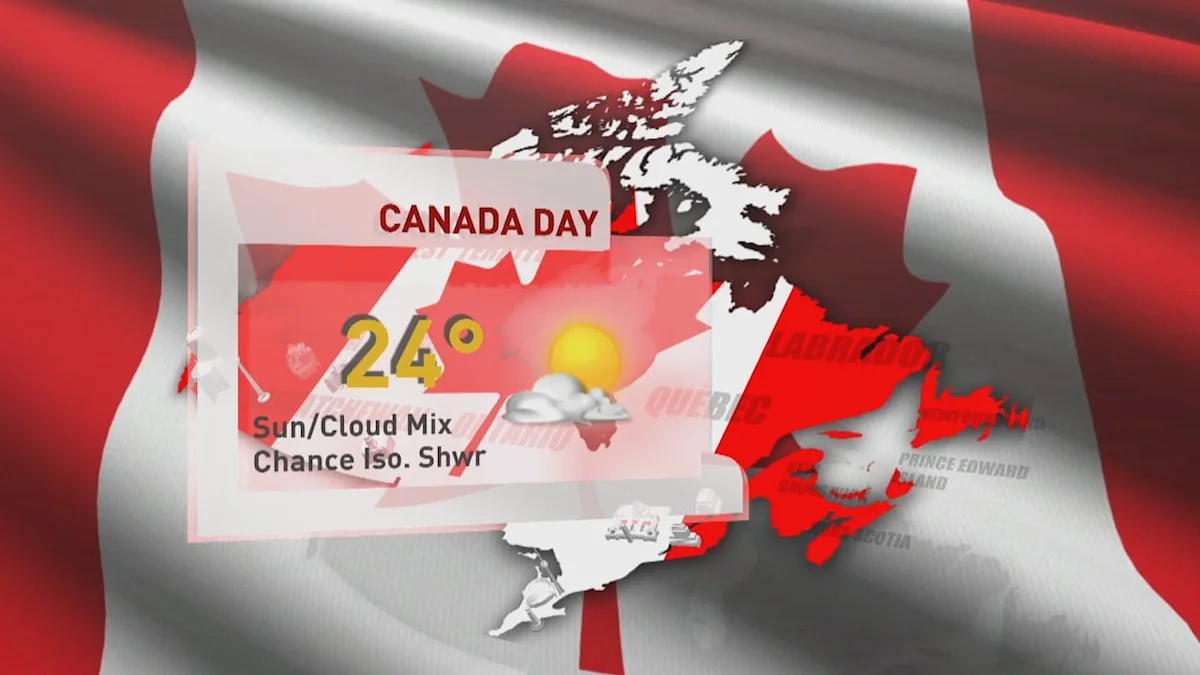
Riley Laychuk's Manitoba forecast for Wednesday, July 1, 2026
24 minutes ago
 AI News
Happy Canada Day! Bonne fête du Canada!
24 minutes ago
 AI News
Details emerge connecting double murder, explosion and suicide in eastern Ontario
24 minutes ago
 AI News
Search is getting an AI overhaul. This startup says it can help e
29 minutes ago
 AI News
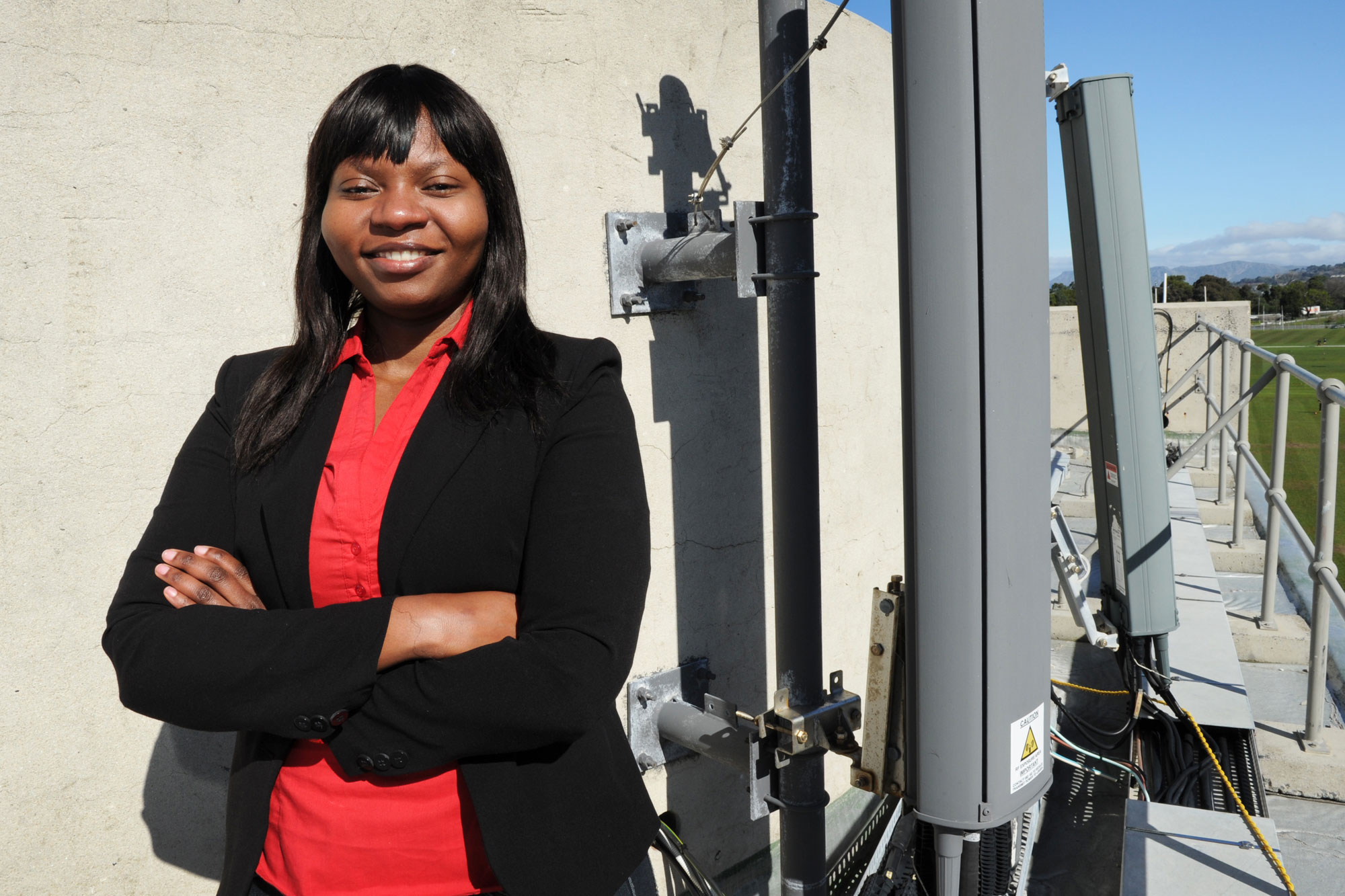
Putting communities at the centre of technology
30 minutes ago