
10 mental health startups that died from poor financial health
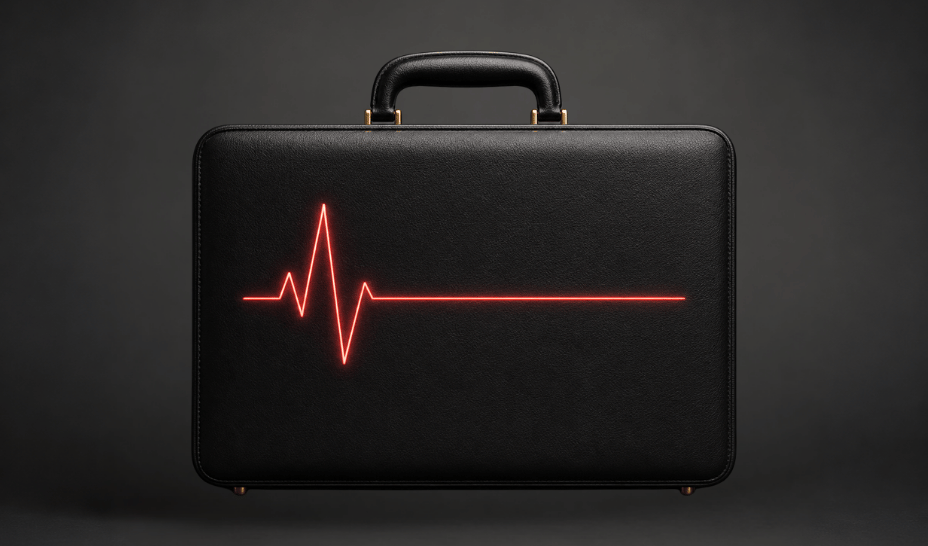
Europe’s mental-health startup boom has given us a treasure trove of new treatments, useful tech, and a look into where HealthTech is heading when it comes to the brain. According to our coverage, this year alone has given us 11 mental health funding rounds totalling almost €39 million. But, unfortunately, innovation does not always translate into success.
Mental-health startups exist in a sector where the person using a product is not always the person best placed to pay for it. That distinction appears to have mattered considerably.
Mentalium’s Mental Health Startup Graveyard, an analysis of 542 digital mental-health organisations with recorded outcomes between 2000 and 2026, found that companies relying on consumers to pay had a 53% shutdown or bankruptcy rate, compared with 21% where an institution such as an employer, clinic, hospital or health plan paid.
B2C companies recorded 53% mortality compared with 24% for B2B businesses. Freemium models also fared poorly, with 62% shutting down or entering bankruptcy, while one-time-purchase businesses reached 85%.
Unlike our usual listicles that focus on success-stories, today’s edition presents a more somber yet educational look at what can go wrong in the startup ecosystem.
Founded around 2018 in Berlin, Betterspace developed a digital wellbeing and mental-health platform for employers. Its B2B model meant companies, rather than individual employees, were expected to pay for the service.
According to the Mentalium analysis, Betterspace faced lengthy corporate procurement cycles while competing against much better-capitalised international businesses such as Lyra and Unmind. Mentalium classifies Betterspace as outcompeted, with the company appearing to have closed around 2021.
Founded in London in 2018 by Nick Bennett and Gareth Fryer, Fika offered a workplace “mental fitness” platform combining journalling, self-reflection and co-coaching exercises.
The company had genuine employer customers, but its roughly €1.4 million (£1.2 million) in funding proved limited for a market characterised by lengthy enterprise sales cycles. Mentalium argues that Fika struggled to achieve enough contract volume while better-funded competitors consolidated the employer mental-health market.
It ultimately ran out of the financial runway needed to reach sustainable scale and was liquidated in July 2024.
Founded in Berlin in 2017 by Dr. Gandolf Finke and Dr. Jan Simon Raue, Fosanis developed Mika, a digital therapeutic supporting cancer patients dealing with anxiety, depression, fatigue and treatment side effects.
Its business model relied heavily on reimbursement through Germany’s statutory-health-insurance DiGA system. According to Mentalium, Mika lost its DiGA status following a procedural issue concerning study registration, removing the reimbursement mechanism on which much of the company’s economics depended.
Despite having raised approximately €12 million, Fosanis subsequently filed for insolvency in December 2024.
Founded around 2017 in the UK, Leo was a mental-health chatbot and coaching app aimed particularly at young men and students. It operated through a B2C freemium model.
Mentalium classifies Leo as having failed to find product-market fit. Its target audience had a genuine need for mental-health support, but was also relatively price-sensitive, making subscription monetisation difficult. The company additionally struggled with retention and lacked an employer, health plan or other institutional payer that could support the economics of the service.
With under €862k ($1 million) in funding and no successful follow-on round, Leo appears to have closed around 2019.
Founded in Bristol in 2011 by Ross Larter and Jake Greenwood, MoodPanda was a social mood diary that allowed users to record their moods, follow trends and interact with a wider community.
The platform reportedly attracted more than 200,000 community members, demonstrating that user adoption alone was not the problem. MoodPanda was bootstrapped, raised no outside funding and lacked a meaningful monetisation strategy. Without recurring revenue or external capital, its two-person team could not sustain the service indefinitely.
Mentalium records the platform as becoming inactive around 2018 and classifies it as having run out of money.
Founded in Maastricht in 2017 by Christoph Lynen, Yoeri Dassen and Mike Verhiel, Psylaris developed a consumer VR application designed to help reduce anxiety and negative moods without requiring a clinician.
Its B2C subscription model faced a significant limitation: customers first needed access to VR hardware, which substantially reduced its potential paying audience between 2017 and 2020. Mentalium therefore classifies Psylaris as a product-market-fit failure, rather than a case of financial mismanagement.
With approximately €181k ($210k) in funding, there was limited runway to overcome that small addressable market, and the original company ceased operating around 2020.
7. Sentireal – UK/Northern Ireland
Founded in Belfast in 2013 by David Trainor and Tom Houston, Sentireal developed personalised VR technology initially intended for clinical applications including depression, self-harm and suicide-risk interventions.
The company received NHS SBRI funding, but Mentalium says its clinical development route became longer and more expensive than its funding base could support. Sentireal subsequently pivoted towards enterprise VR training, but the replacement model also failed to generate enough commercial revenue.
The company eventually entered creditors’ voluntary liquidation, with Mentalium recording it as in liquidation by 2025.
Founded in Kraków in 2019 by Damian Markowski, Łukasz Pstrong and Jan Pluta, Therapify operated a marketplace connecting patients with psychologists, psychotherapists and psychiatrists, later expanding towards corporate mental health.
The startup reportedly served around 10,000 patients and built a meaningful therapist network, but marketplaces require capital to develop both supply and demand. Therapify raised about €550k and moved from its original consumer model towards B2B relatively late.
According to Mentalium, better-funded competitors captured more of both markets, leaving Therapify without enough consumer scale or enterprise contracts. It closed in January 2023 without an acquirer.
Founded around 2021–2022 in Tallinn and led by Ann Leen Mahhov, TheraSync developed a communication and coordination platform for multidisciplinary teams treating depression.
Its resources were largely directed towards pilot testing and MVP validation, supported mainly by accelerator grants and programme funding. According to Mentalium, TheraSync never secured the commercial round needed to move from product validation into a revenue-generating healthcare business.
By 2024, the analysis says company records showed €2,444 on the balance sheet, no employees and no turnover – the company was effectively inactive by 2024.
Founded in Vilnius in 2020 by Ulvia Avidan, Tokitus built a therapist marketplace offering video, audio and text sessions across 22 languages and 11 therapy modalities.
The company developed a network of around 25 therapists and attracted some early users, but raised only €125k to build a two-sided marketplace. Its consumer-paid, per-session model also provided limited recurring revenue.
According to Mentalium, Tokitus could not reach enough marketplace volume before exhausting its available runway and closed in 2024.
BTW: Are you a corporate or investor looking to invest or acquire exciting startups in specific markets? Check out our Startups Sourcing Service!
Related Stories
 Business
Google manager quit to build a farming startup, now seeks job after policy changes hit business
57 minutes ago
 Business
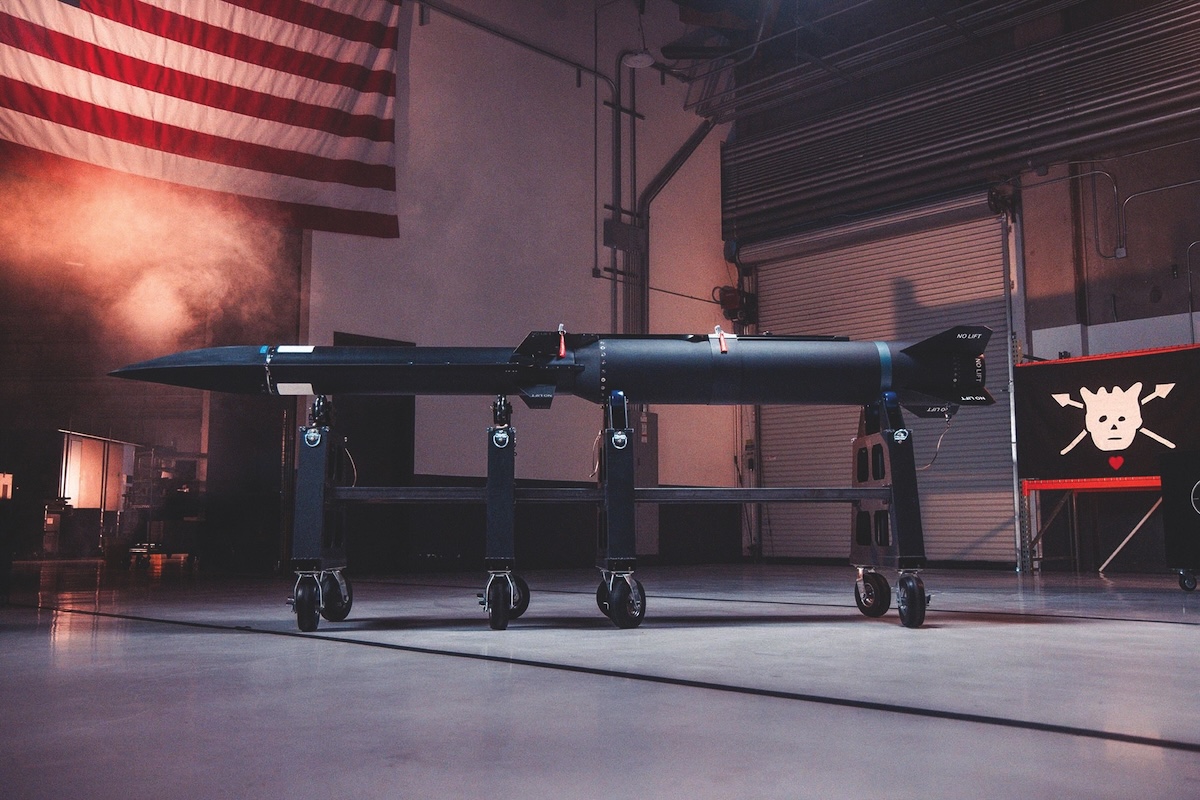
Castelion Gets $1B Fundraise
4 hours ago
 Business
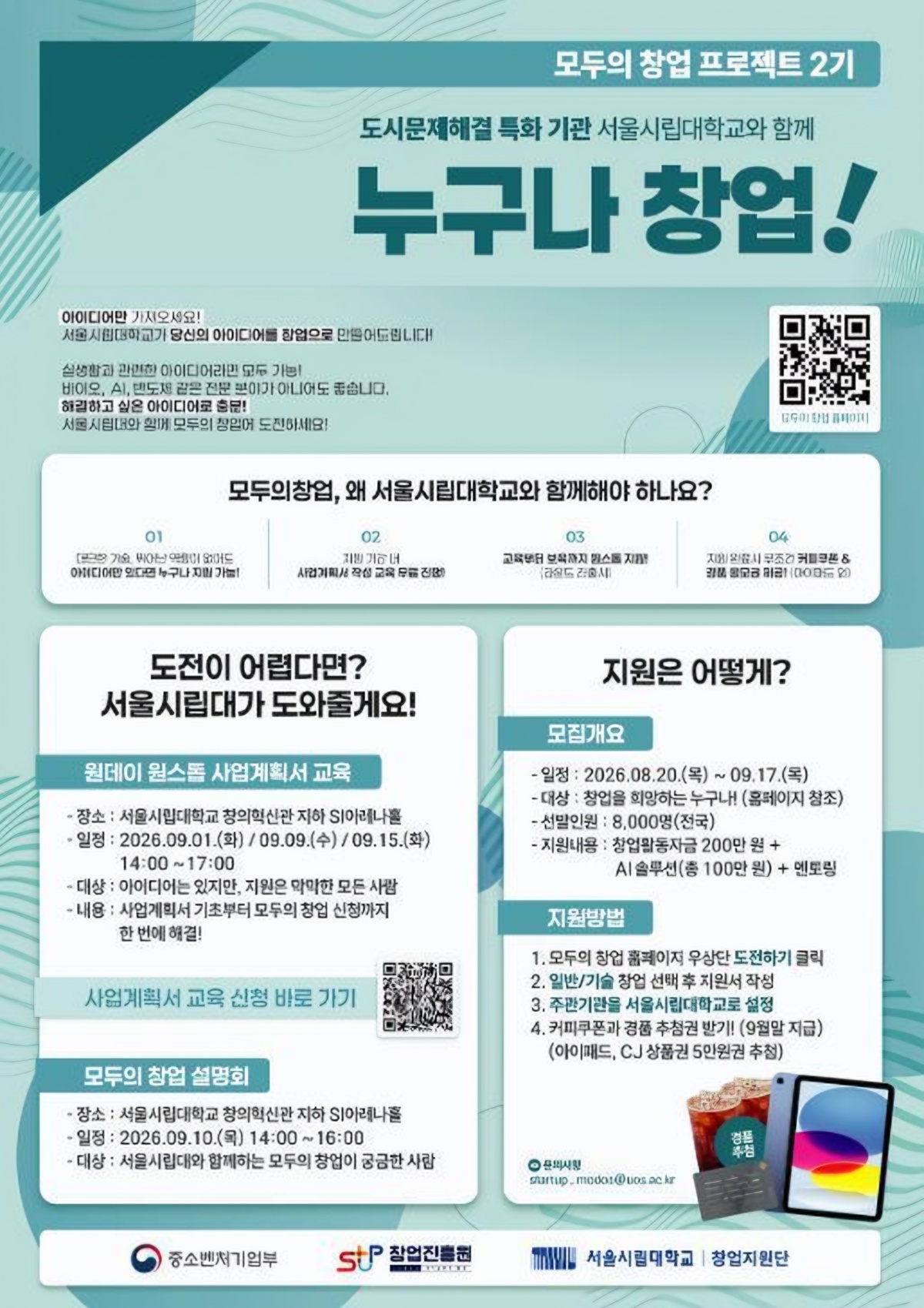
University of Seoul's Startup Foundation participates in entrepreneurship support project
5 hours ago
 Business
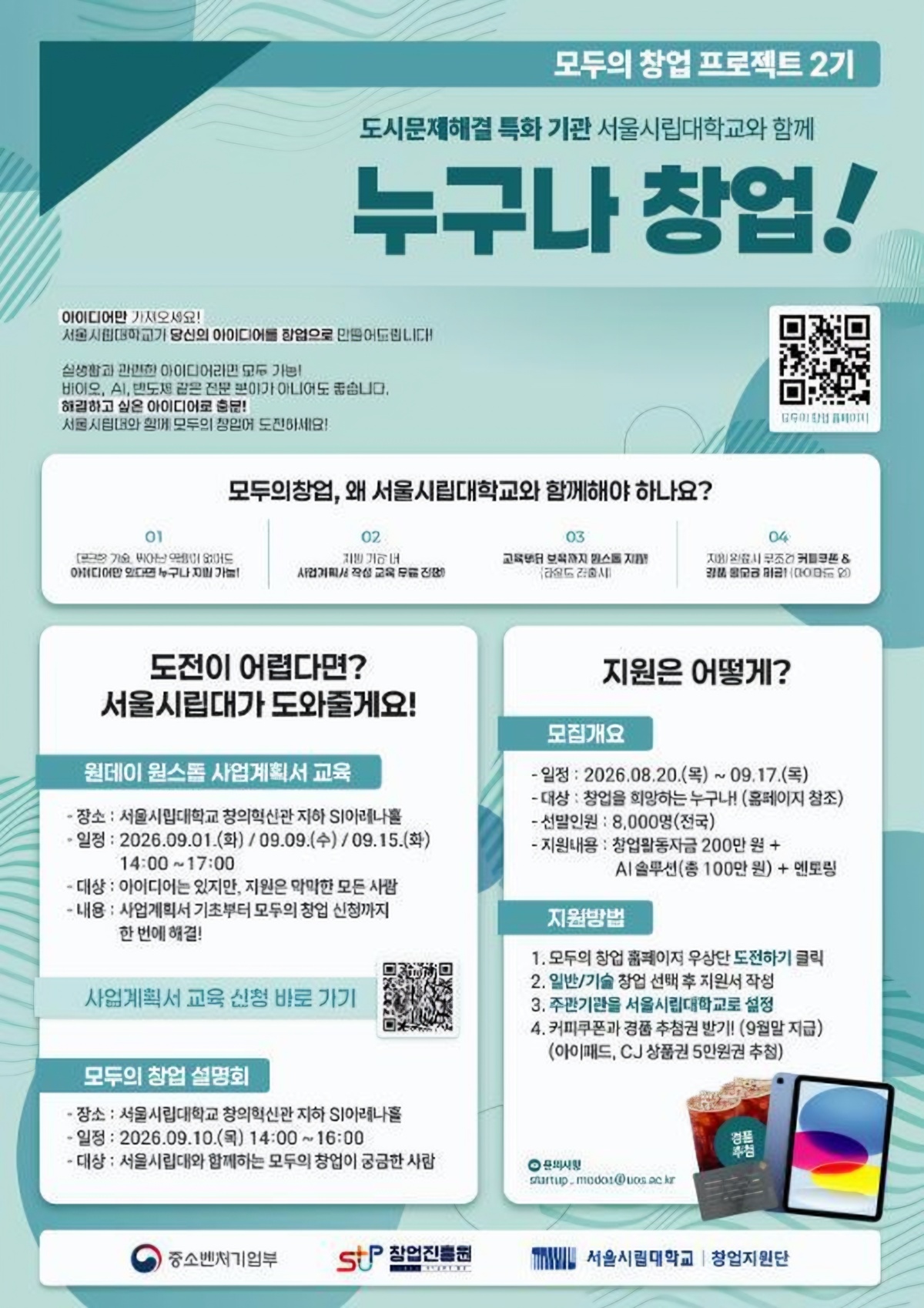
University of Seoul's Startup Support Foundation participates in entrepreneurship project
8 hours ago
 Business
Trump says NBC’s Kristen Welker should face ‘punishment’ from FCC
10 hours ago
 Business
Nasa space telescope launches after surviving Trump budget cuts
14 hours ago
 Business
Attack mum's trauma of fighting early release plan
15 hours ago
 Business
‘It’s going to be hard’: Canadian candle company halts U.S. sales due to tariffs
20 hours ago