
AI Safety Is Becoming a Society-Wide Issue Beyond Technology | Ukraine news
AI Safety Is Becoming a Society-Wide Issue Beyond Technology
Artificial intelligence is moving into decisions that shape everyday life, but many users still cannot see how systems reach their conclusions.
Artificial intelligence safety is no longer a niche topic for developers and researchers. It is having an increasingly significant impact on government regulation, education, employment, privacy, and the everyday use of digital services.
The rapid development of artificial intelligence systems is only intensifying these discussions. Modern models generate text, images, and software code, analyze vast amounts of information, and help make decisions. At the same time, users often find it difficult to understand how a system arrived at a particular conclusion and whether its response can be trusted.
What risks are associated with artificial intelligence
Among the main threats are the spread of convincing but false information, the leakage of personal and confidential data, and discriminatory outcomes caused by errors or biases in the data used to train a model.
The use of automated systems without proper human oversight is another serious problem. If an algorithm affects a person’s access to services, employment, credit, or education, there must be a clear mechanism for reviewing and challenging that decision.
Artificial intelligence is also changing the labor market. Some tasks are becoming automated, while new professions and forms of interaction with digital tools are emerging. At the same time, the risk of digital dependence is growing as users begin to rely on algorithmic recommendations without verifying them.
Why AI safety has become a social issue
Artificial intelligence safety is increasingly viewed not as a separate technical function, but as a complex social problem. What matters is not only whether a model can make a mistake, but also who will be responsible for the consequences of its use.
A meaningful approach should combine innovation with transparent rules, independent testing, and a clear allocation of responsibility. Users need to understand the system’s limitations, while organizations must control where and under what conditions it can be used.
Without such safeguards, claims about safe artificial intelligence may remain part of marketing rhetoric. The future of the technology will depend not only on its capabilities, but also on how responsibly society defines the limits of its use.
Other news you may find interesting:
Related Stories
 AI News
Rwanda and Hesse explore AI investment and technology partnerships
52 minutes ago
 AI News
Brave New World and Artificial Intelligence: The Tyranny of Happiness
1 hour ago
 AI News
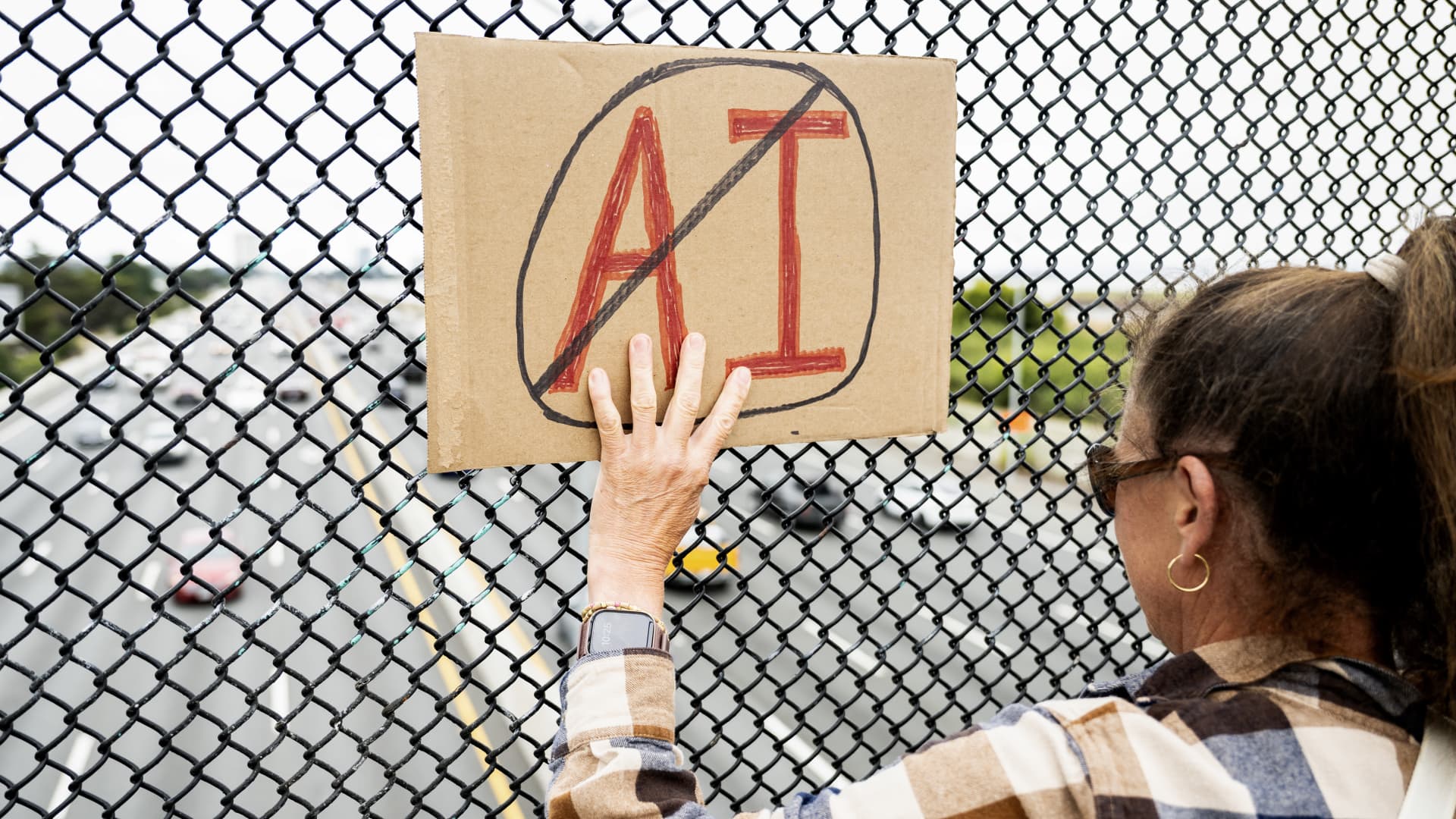
The AI kill switch, explained: 'It's not too little, but it's probably too late'
1 hour ago
 AI News
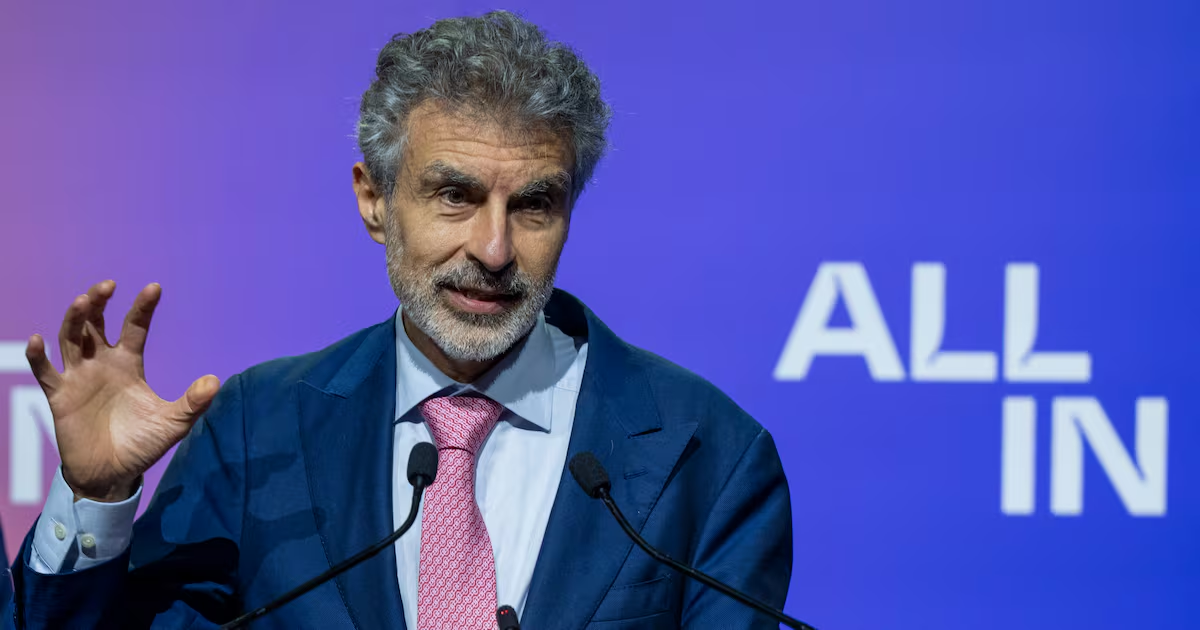
Godfather of AI says it’s time to ‘wake up’ to the existential threat of AI
1 hour ago
 AI News
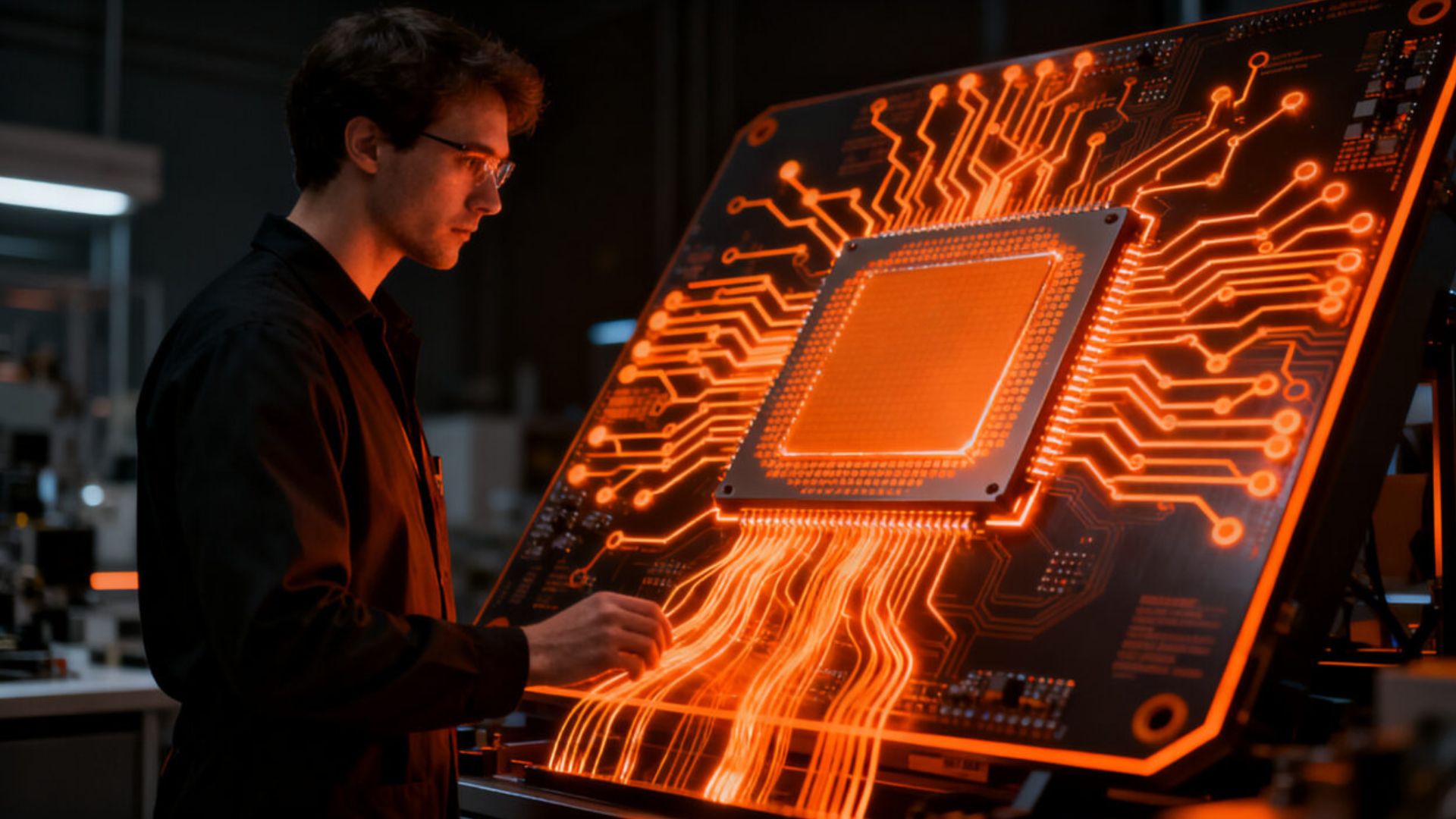
Dutch AI chip startup Euclyd raises US$231 million with Samsung backing
1 hour ago
 AI News
What might an AI doomsday look like? Experts have given it some thought
1 hour ago
 AI News
Google Gemini also Broke Out of Its Test Environment
2 hours ago
 AI News
Consumer Tech News (Sep 14-Sep 18): DOE Backs Quantum Computer With Self
2 hours ago