
Alberta's separatists have a Mark Carney problem
In late 2024, Alberta's separatists were riding high on a wave of anti-Trudeau sentiment. Public support for the Liberal government had hit fresh lows, and a decade of activist policymaking under the former prime minister had reinforced the province's longtime skepticism that Ottawa could properly represent its interests.
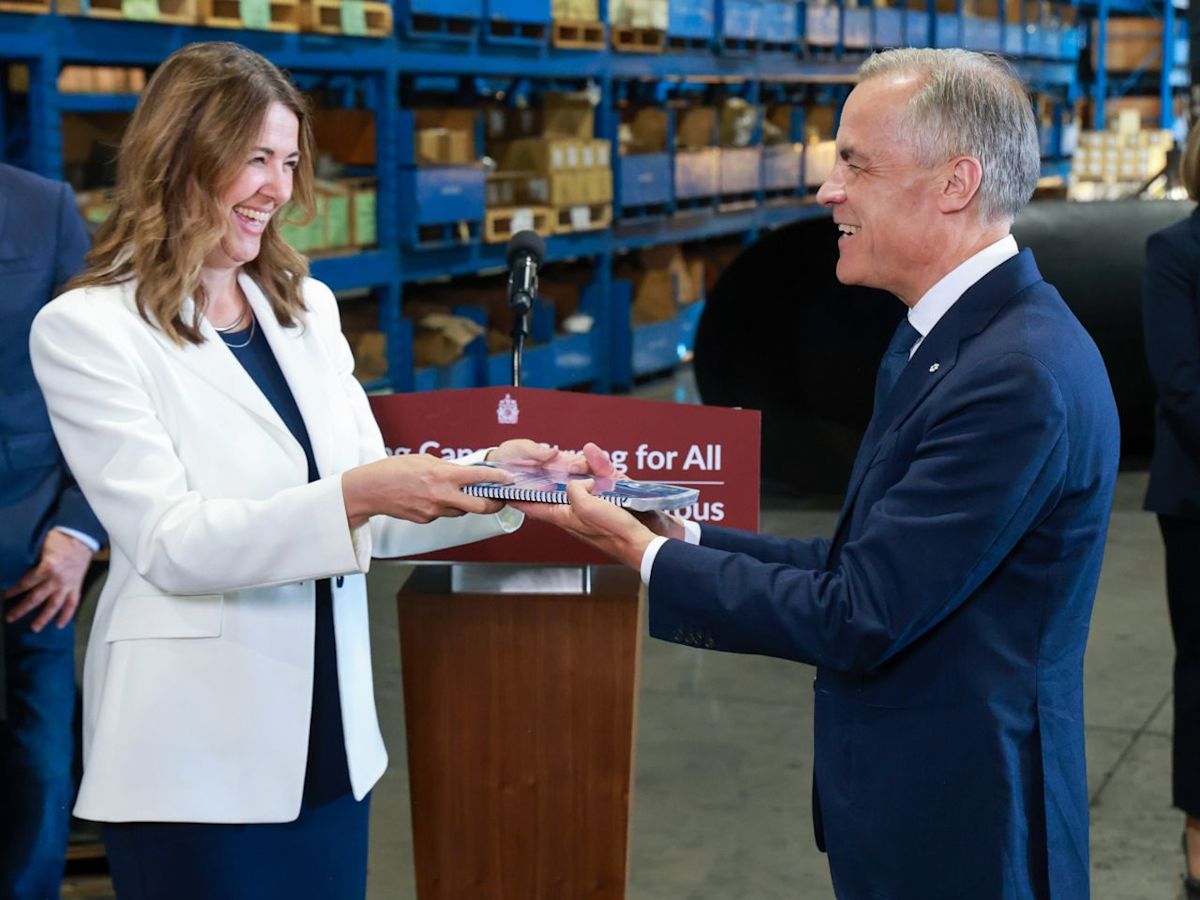
Two years on, some Alberta separatists say that Prime Minister Mark Carney's growing popularity among Canadians — as well as a new oil pipeline deal between Ottawa and Alberta — have likely changed the calculus for many voters ahead of the province's October referendum.
"If Justin Trudeau had stayed in power, I'm quite sure we would have been able to (separate)," said Michael Wagner, a committed separatist and author of 'No Other Option: Self-Determination for Alberta.' "Because Mark Carney is trying to extend an olive branch, that's kind of hurting our cause."
Wagner, who was partaking in a pro-separatism event in Calgary this weekend called "Capitalism & Morality," was reflecting the views of many staunch separatists in attendance. While Carney's efforts to appease Alberta haven't convinced the separatist movement's core supporters, people said, the swing in popularity could be enough to nudge more neutral voters away from outright separation.
"It's reverse psychology, but our biggest salespeople have always been the Liberals," Wagner said.
A new Leger poll puts Carney's support at 49 per cent in September, up three points from a month earlier. That widens the gap over Pierre Poilievre's Conservatives, which Leger put one point lower, at 33 per cent. It's a sharp reversal of Liberal fortunes from late 2024 and early 2025, when Trudeau's support had slumped to just over 20 per cent, according to various polls at the time.
Much of Carney's growing support is a result of U.S. President Donald Trump's taunts against Canada, both in matters of trade and sovereignty, which have galvanized federalist sentiments among Canadian voters.
In November, Alberta Premier Danielle Smith signed a memorandum of understanding (MOU) with Carney that includes a promise to build a new one-million-barrel-per-day pipeline to the B.C. coast, among other energy-related policies and targets.
The roughly $40-billion project, led by federal Crown agency Trans Mountain Corp., still needs to overcome a long list of political and legal hurdles before it is completed. The pipeline still has no private sector company to lead the development, and doesn't yet have the right-of-way to build a proposed terminal on the B.C. coast, south of Vancouver.
Drew Barnes, a former United Conservative Party member who was ousted from Jason Kenney's caucus in 2021, said there are various headwinds facing the separatist movement. Smith's increasingly vocal support for Alberta remaining in Canada is one, he said, as well as a "fragmented" media landscape that has stifled pro-independence voices.
"It's a hard road now to get a message out," he said.
Barnes, for his part, said he didn't think that separatist support has lessened in recent months, but nonetheless acknowledged that the pace of growth has slowed since the closure of the pro-independence petition.
"I don't think it's waned, but it hasn't grown with the momentum it started with," he said.
Barnes, who was voted out of the UCP after he challenged Kenney over COVID-19 restrictions, said he is deeply skeptical of the proposed Alberta-Ottawa oil pipeline, which he noted will be funded almost entirely by taxpayers.
"Ottawa already gets too involved in our oil and gas business by playing with the environmental rules, and here we are allowing them to have direct ownership," he said. "It's just a step towards more inefficient government, more monopoly protection, the things that most Albertans disagree with."
Wagner also said that the pipeline MOU was likely putting a damper on the separatist message.
"I do think it's reducing our support, the MOU. Danielle Smith is saying: 'look, it's working for us.'"
By nature, Wagner said, Alberta's separation movement is built on a sort of "reluctant support" in the sense that many Albertans would rather stay in Canada, if only they felt that the Canadian government would properly represent their interests. Yet, many Albertans see that as a mathematical impossibility given the province's inherent underrepresentation in both the House of Commons and Senate.
Alberta is holding its referendum on Oct. 19, which will include 10 questions on a range of issues from separation to immigration to Senate reform.
Colby Cosh: Is Alberta's separatist movement already waning?
The fight for Alberta's 'soft separatists' — the conservatives who want to send Carney a message
Our website is the place for the latest breaking news, exclusive scoops, longreads and provocative commentary. Please bookmark nationalpost.com and sign up for our newsletters here.
Related Stories
 Canada
Canada Investment Summit live: Banks commit billions
13 minutes ago
 Canada
Carney expected to discuss private money in Canada's airports in address to investment summit: source
13 minutes ago
 Canada
New tariffs hit Canada as Carney courts EU partnership. Live updates here.
13 minutes ago
 Canada
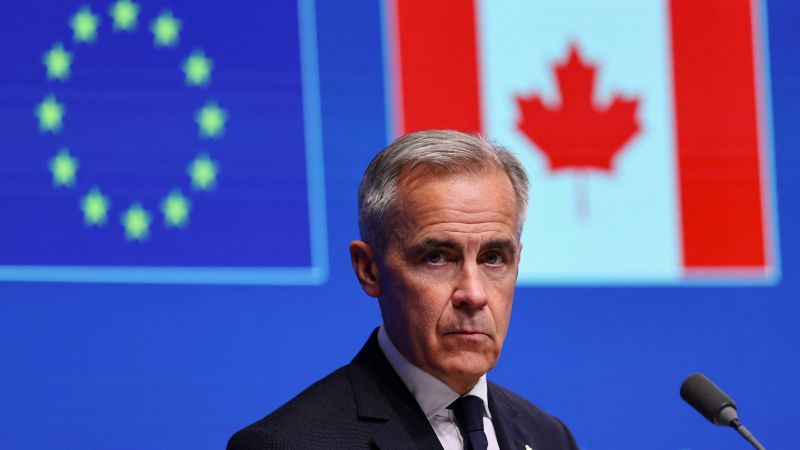
Canada is pursuing a ‘unique alliance’ with the EU as US ties remain fraught. Here’s what we know
13 minutes ago
 Canada
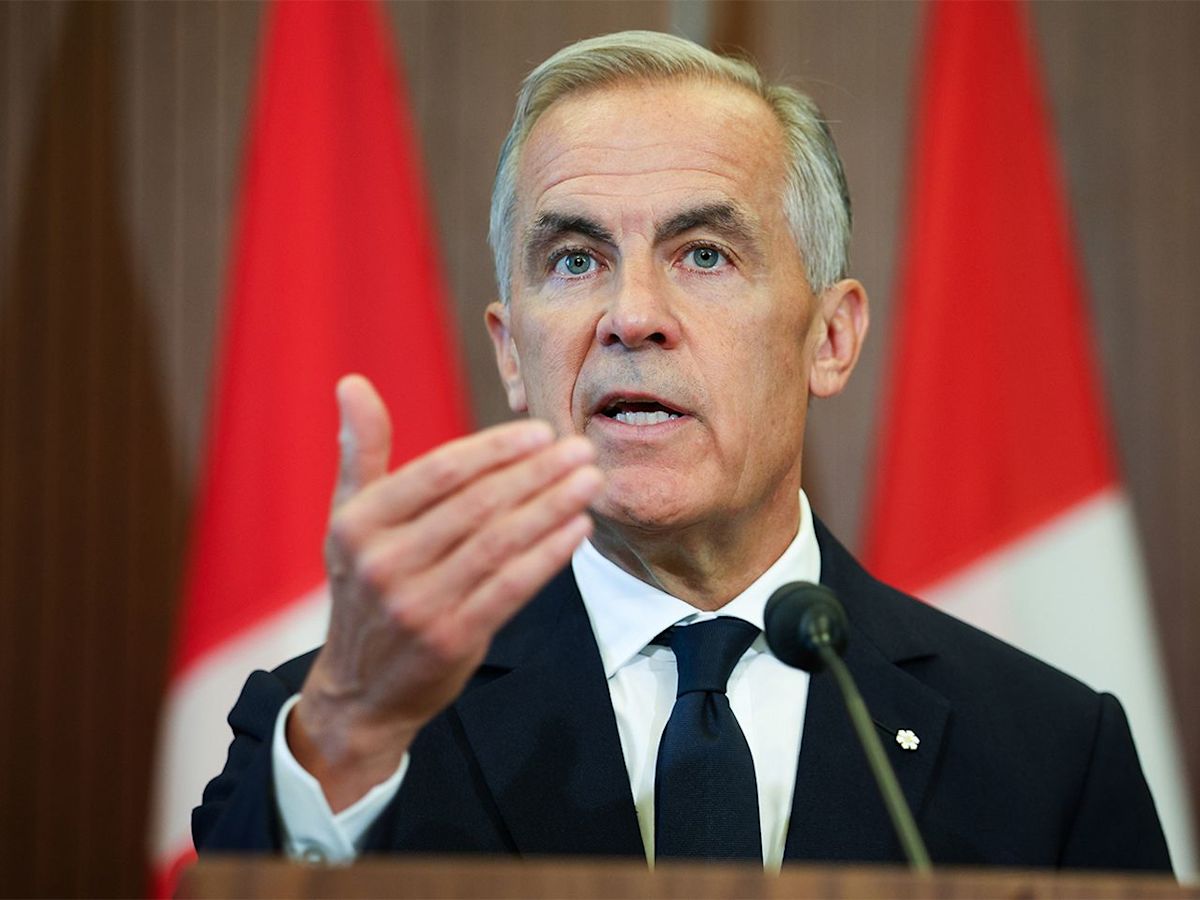
Michael Higgins: Is Mark Carney using Canada to make up for Brexit?
2 hours ago
 Canada
Latest U.S. tariffs take effect on a small number of Canadian goods, some removed
2 hours ago
 Canada
Is driving a school bus no big deal?
2 hours ago
 Canada
U.S. effort to make Canada a 'vassal state' lacks clear strategy, security expert says
3 hours ago