
Biohub Releases a World Model of Protein Biology
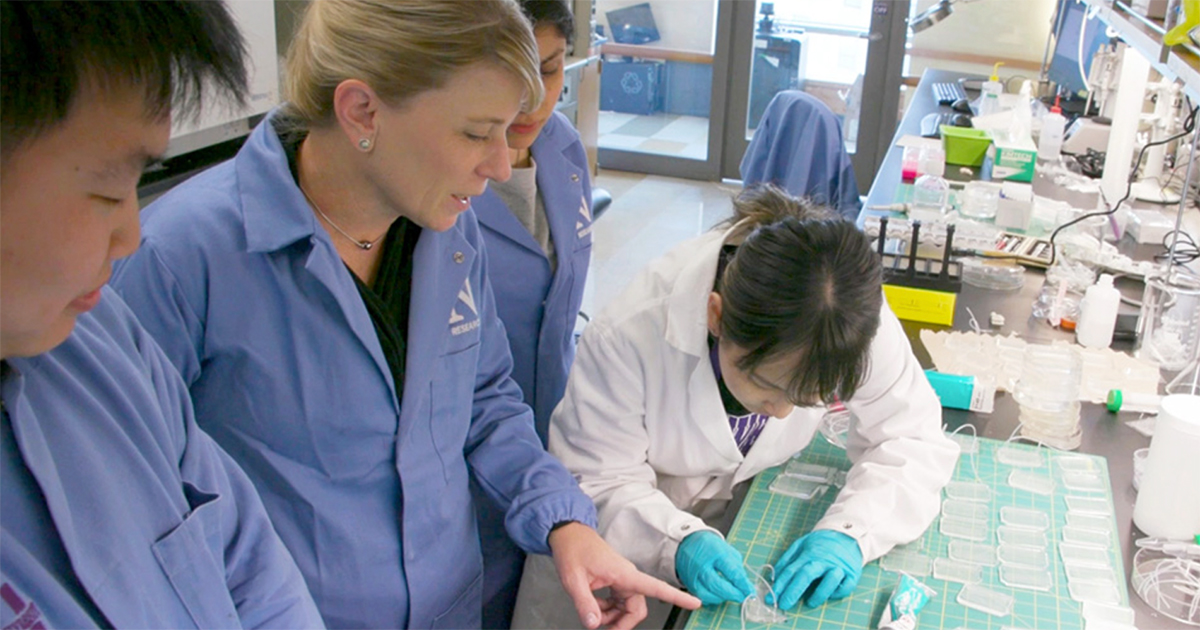
As Biohub unveiled the next-generation ESM, AI tools designed to model protein biology, Northwestern University scientist Shana Kelley said the innovations will help write “the book of life.”
A nonprofit research institute co-founded by Priscilla Chan and Mark Zuckerberg, Biohub combines AI and experimental biology to better understand living systems. Its ultimate goal is to cure or prevent all disease. Northwestern is one of Biohub’s key academic partners, and Kelley is the organization’s president of bioengineering.
Unlike traditional AI systems that perform narrow tasks, the ESM world model of protein biology has learned fundamental underlying rules of proteins. The newly released suite serves as a scientific engine for prediction, design, and discovery that can map proteins across the tree of life, predict their structures, and help design new protein binders, or molecules that attach to particular proteins to explore their function.
Not only could this system help explain biology, it also could help design entirely new proteins for therapies.
“We are moving from an era of reading the book of life to an era of writing it,” Kelley said. “This world model of protein biology proves that when digital representations of biology become sufficiently accurate, computation replaces physical search to accelerate breakthroughs.” Kelley is the Neena B. Schwartz Professor of Chemistry at the Weinberg College of Arts and Sciences, a professor of biomedical engineering at Northwestern Engineering, and a professor of biochemistry and molecular genetics at Northwestern University Feinberg School of Medicine. She also is a member of the International Institute for Nanotechnology, Chemistry of Life Processes Institute, and the Robert H. Lurie Comprehensive Cancer Center of Northwestern University. Often called “the machinery of life,” proteins drive nearly every function within the human body. Although they are among the most important targets in medicine, scientists have struggled to design functional, stable proteins that work as intended. “Designing the interactions between proteins is a fundamental problem in biochemistry, and critical for the design of medicines,” said Alex Rives, Biohub’s head of science. “What we’ve shown is that these models have learned such a high-fidelity world model of biology that you can design protein interfaces computationally, take them into the laboratory, and they function as predicted.”
We are moving from an era of reading the book of life to an era of writing it. Shana Kelley
Biohub’s world model of protein biology is built around three tools: ESMC, ESMFold2, and ESM Atlas. Trained on roughly 2.8 billion protein sequences, ESMC has learned the biological rules that govern how proteins are built, fold, and function. ESMFold2 takes the information that ESMC has learned and uses it to predict the detailed 3D structures of proteins and protein complexes. It also can help researchers design new protein binders. A massive protein database, ESM Atlas maps the known protein universe. It currently contains information related to 6.8 billion proteins and more than 1.1 billion predicted protein structures, giving scientists a searchable resource for exploring proteins across the tree of life. Biohub has released the tools openly, allowing researchers around the world to use them for biological discovery and drug development. “Biohub was built on the belief that open science accelerates discovery,” Chan said. “Making these tools freely available means researchers everywhere can move faster toward personalized cures that work for individual patients, because they target the specific biology driving their disease.”
Related Stories
 World
World
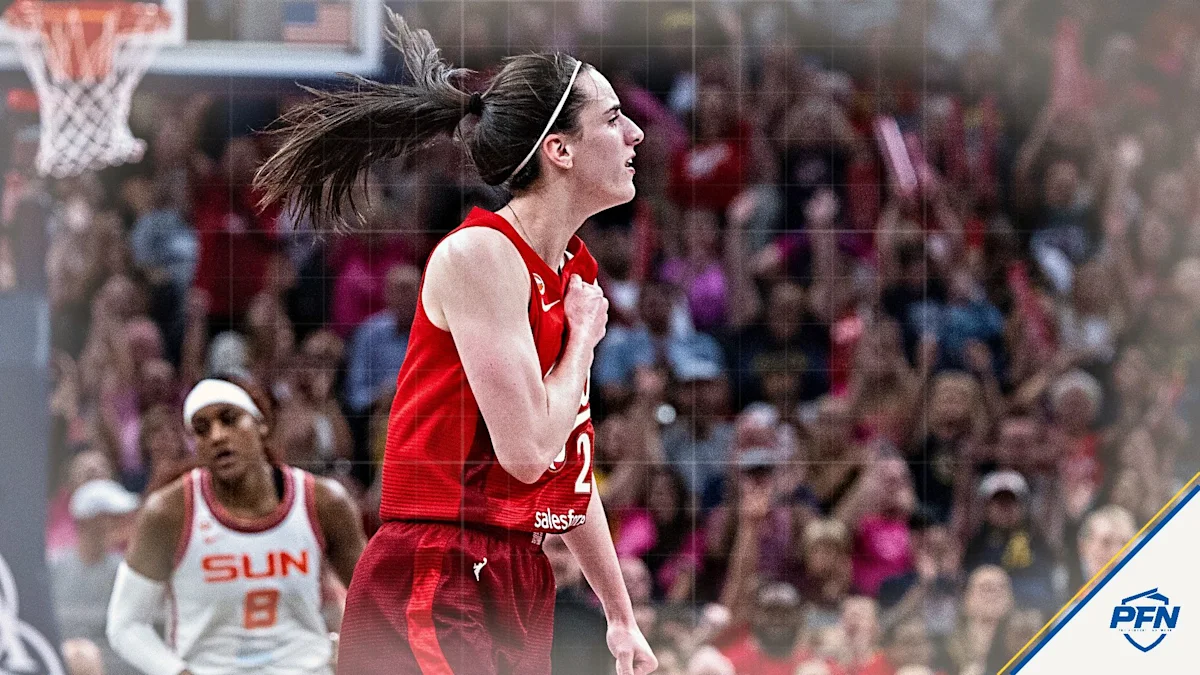
‘Scary News For the League’
25 minutes ago
 World
World
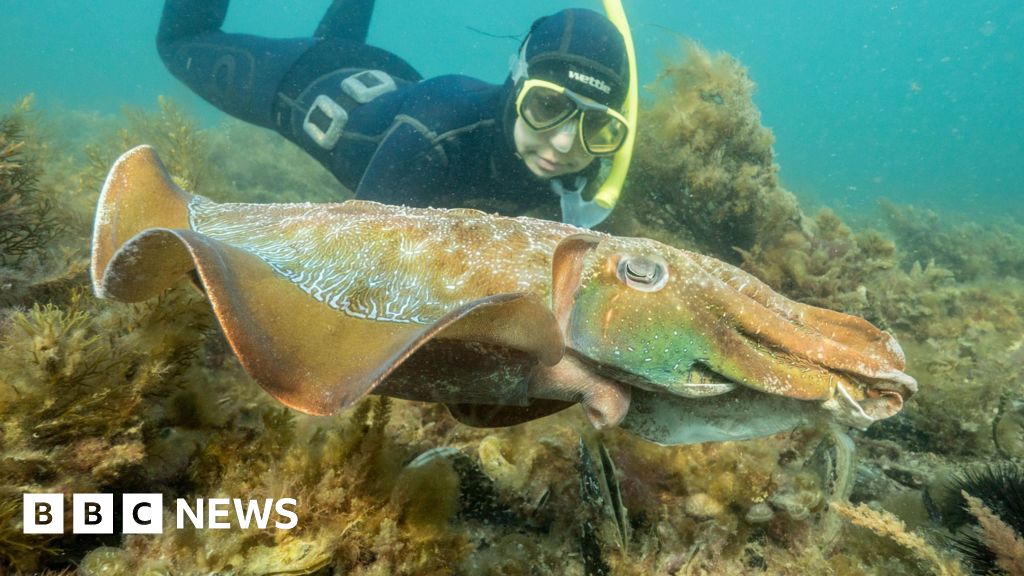
Why Australia's giant cuttlefish mating season has gone silent
25 minutes ago
 World
World
Modern echo of Swami Vivekananda: Indian diaspora urges global commitment to 'Vasudhaiva Kutumbakam' ahead of Mohan Bhagwat's Madison Square address
26 minutes ago
 World
World
President Trump announces 'biggest oil deal in world history'
1 hour ago
 World
World
Trump oil deal draws skepticism and anger in Venezuela
1 hour ago
 World
World
Super Nature: a love letter to the natural world
2 hours ago
 World
World
Israeli settlers attack home in occupied West Bank's Qusra: witnesses
2 hours ago
 World
World
Video. Latest news bulletin | August 29th, 2026
3 hours ago