
Bond markets are demanding 'credibility' and could compel the Bank of Canada to hike rates this year, says KPMG
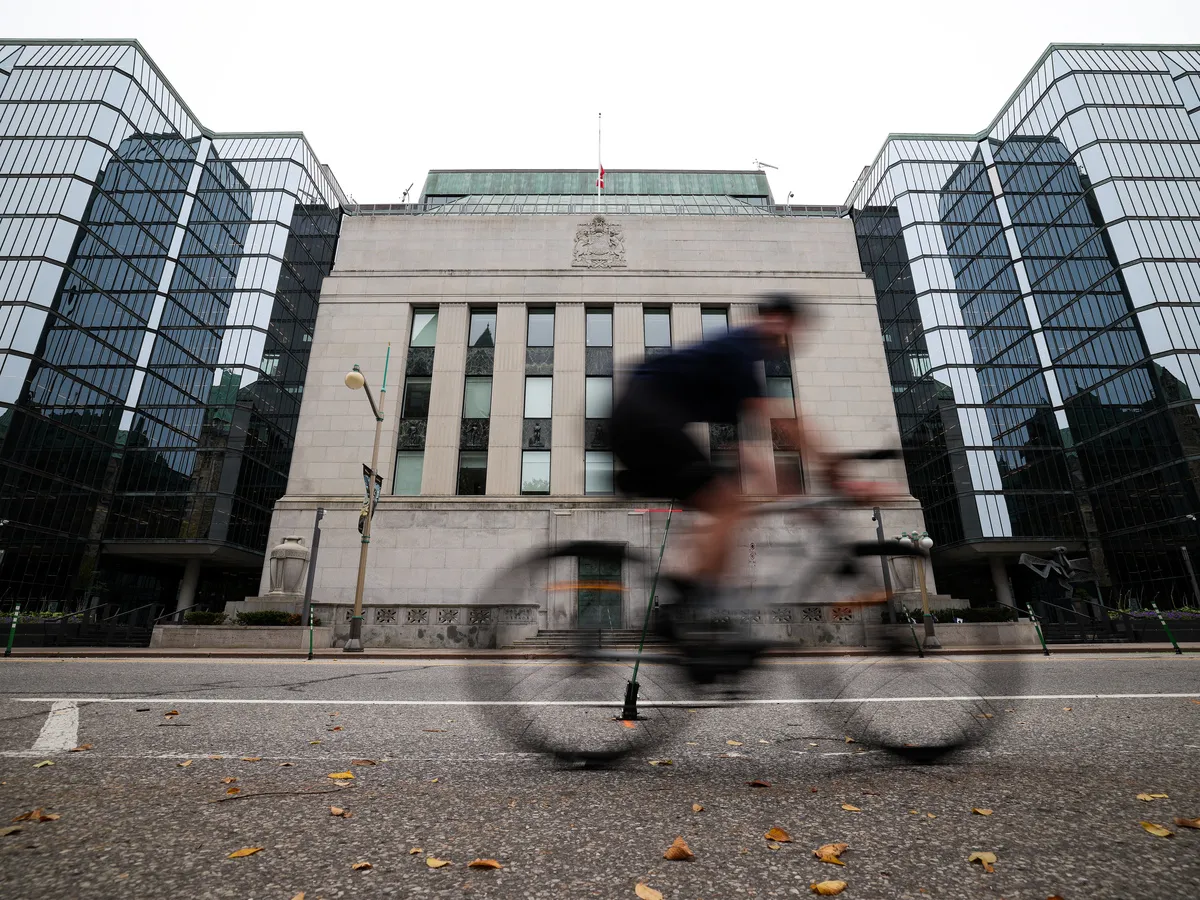
The Bank of Canada is going to have to “feed the beast” that is the bond market with one rate hike before the year is out, says KPMG Canada.
It’s changed its call for no rate hikes in the near term to one 25-basis-point increase at the Dec. 9 meeting that would take the benchmark lending rate to 2.5 per cent, where it would remain for the foreseeable future, Ali Jaffery, chief economist at KPMG Canada, said.
“The bond market is demanding that policy become more credible — whether that is monetary, fiscal or otherwise — in a world where capital is in high demand,” he said in a note on Friday. “The principle makes sense, but the magnitude of the moves (in bond yields) has revealed that this is a shoot-first-ask-questions-later approach to global inflation and fiscal sustainability issues.”
By “credible,” Jaffery said he means bond markets are demanding policymakers show they’re taking the inflation threat posed by the energy crisis seriously as well as the debt dilemmas that risk boiling over the United States, France and Japan.
“But what really worries me right now is that the bond market is being indiscriminate,” he said.
Fiscal policy in Canada on a federal level is “pretty reasonable,” he said, and monetary policy — interest rate setting — isn’t terrible either given the state of Canadian economy.
“The bond market is now imposing a premium and Canada is being swept up in that,” he said.
Global bond rates have been on the rise and Canada hasn’t been spared.
The Government of Canada five-year bond yield on Monday was nearing four per cent, almost 100 basis points higher than a year ago, with nearly 40 per cent of the increase coming last month.
He said another reason for the rise in Canadian yields is “the ill-timed hawkish tone from Bank of Canada governor Tiff Macklem at the last press conference (on interest rates),” where he indicated the greater threat to the economy was inflation from high energy prices, not U.S. tariffs.
Jaffery traces the start of that 40-basis-point increase to Macklem’s “tough talk” at the Sept. 2 rate announcement.
Normally, he said, job reports and several consumer price index reports would rule on rates, but oil prices are now in the “driver’s seat,” so bond investors are demanding more than talk.
Jaffery also said it could prove harder for the Bank of Canada to resist the rise in U.S. interest rates because the increasing spread between the those and Canadian rates devalued the Canadian dollar, which could speed up inflation.
Long-term bond yields continue to rise despite weaker-than-expected U.S. economic data, which could stop the U.S. Federal Reserve from hiking rates in October, after raising them in September.
Karl Schamotta, chief market strategist at Corpay Inc., said yields are tracking oil prices “far more closely” than inflation.
“That suggests investors believe central bank reaction functions have shifted, with policymakers now responding more to moves in oil benchmarks than to core price measures,” he said in a note on Monday, referring to core inflation, which strips out volatile items such as gasoline and food.
Schamotta said bond markets are basing their belief that monetary orthodoxy has shifted on the public appearances of several central bank leaders, including Macklem, where they indicated they would no longer “look through” the price moves of commodities when it came to rate setting.
Jaffery is among several economists who have recently changed their outlook for rates. Others, including those at Bank of Nova Scotia, UBS AG, Manulife Financial Corp. and Oxford Economics Ltd., are now predicting a hike at the Oct. 28 Bank of Canada meeting.
“We see merit in the Bank of Canada feeding the beast with one performative hike, demonstrating that it will do its part to remove some monetary accommodation and then move back into wait-and-see mode, watching the energy market and letting the data speak,” he said. “It feels like the most reasonable compromise at this point, given the nascent economic recovery and elevated trade tensions.”
• Email: gmvsuhanic@postmedia.com
Related Stories
 Canada
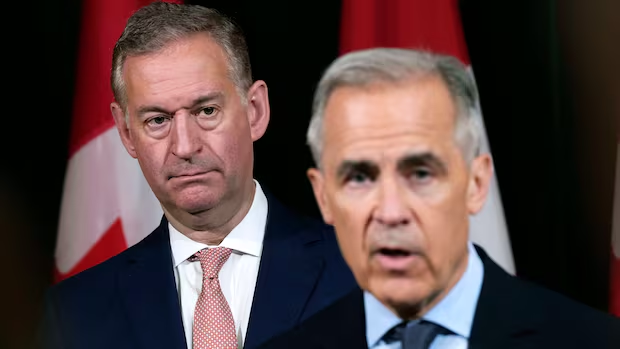
Ottawa plans Crown corporation to break defence procurement logjam
57 minutes ago
 Canada
Quebec election: Parti Québécois to form next provincial government, CBC News projects
57 minutes ago
 Canada
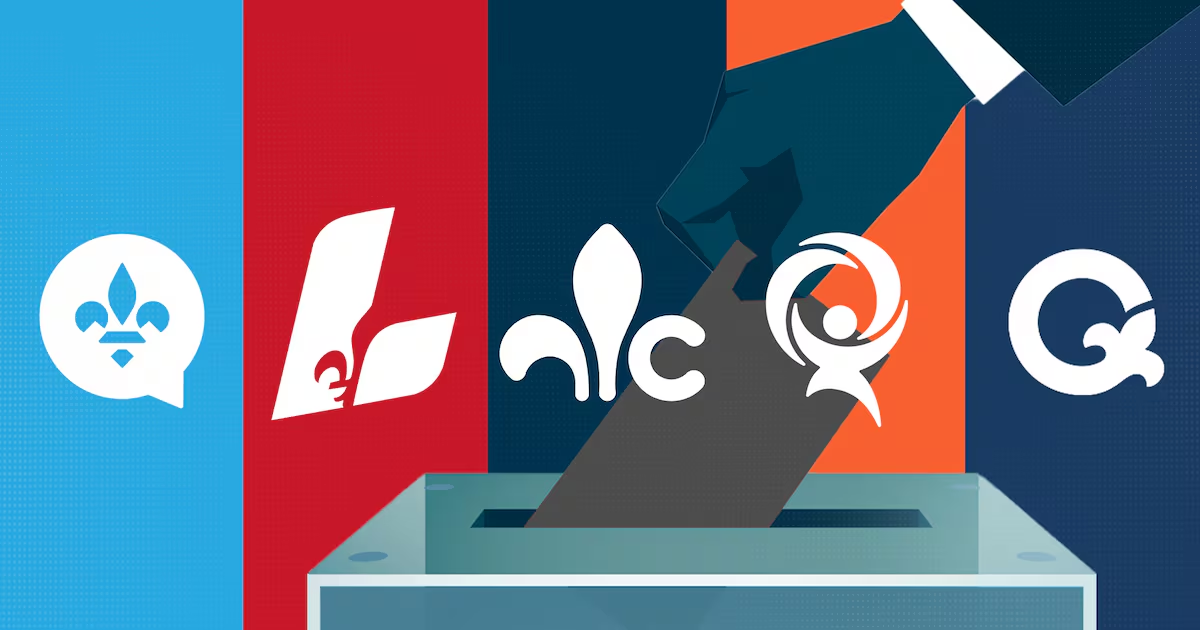
Quebec sovereigntist party will form minority government, CTV News projects. Live results here.
58 minutes ago
 Canada
LIVE: Parti Québécois projected to form minority government in Quebec election
58 minutes ago
 Canada
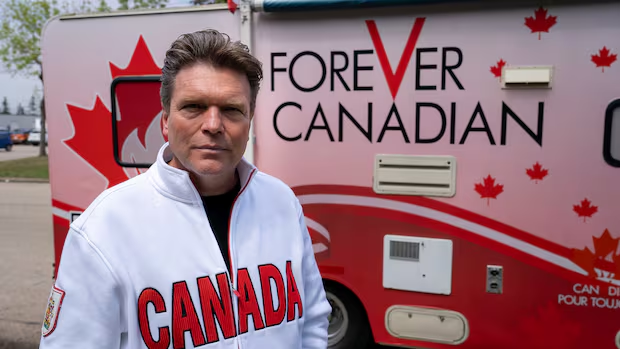
‘Toothpaste is out of the tube': Pro
2 hours ago
 Canada
Quebec sovereigntist party will form next government, CTV News projects. Live results here.
2 hours ago
 Canada
‘No risk for Canada’ as Russian lab worker dies of ‘unknown’ illness: minister
3 hours ago
 Canada
Crown says DNA evidence helped ID man now on trial for decades
3 hours ago