
Corporal punishment of children and health
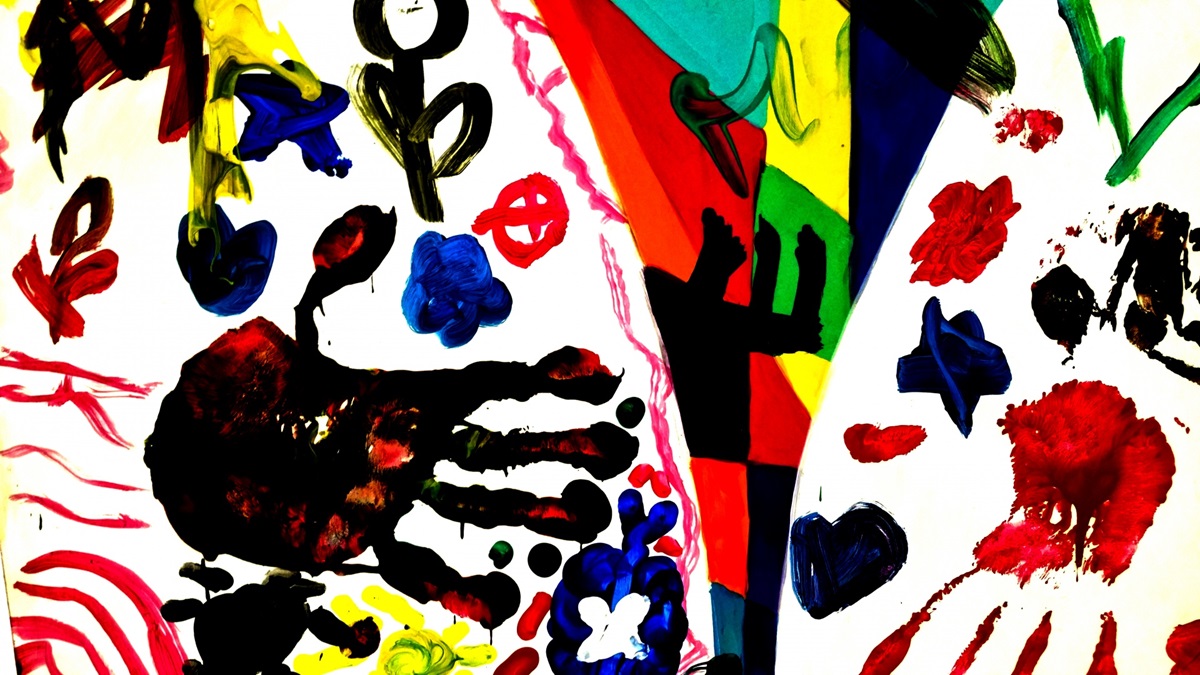
Corporal or physical punishment is defined by the UN Committee on the Rights of the Child, which oversees the Convention on the Rights of the Child, as “any punishment in which physical force is used and intended to cause some degree of pain or discomfort, however light.”
According to the Committee, this mostly involves hitting (smacking, slapping, spanking) children with a hand or implement (whip, stick, belt, shoe, wooden spoon or similar) but it can also involve, for example, kicking, shaking or throwing children, scratching, pinching, biting, pulling hair or boxing ears, forcing children to stay in uncomfortable positions, burning, scalding or forced ingestion.
Other non-physical forms of punishment can be cruel and degrading. They are also incompatible with the Convention. Punishments that belittle, humiliate, denigrate, scapegoat, threaten, scare or ridicule children often accompany and overlap with physical punishment.
Globally 1.2 billion children aged 0–18 years are subjected to corporal punishment in the home each year. Some 17% of children have experienced severe physical punishment – such as being hit on the head, face or ears or hit hard and repeatedly – in the past month. The wide differences across countries, regions, and time periods indicate that much of this burden is preventable and that significant gains can be achieved through targeted action.
Apart from some countries where rates among boys are higher, results from comparable surveys show that the prevalence of corporal punishment is similar for girls and boys. Young children (aged 2–4 years) are as likely, and in some countries more likely, as older children (aged 5–14 years) to be exposed to physical punishment, including harsh forms.
Most children are exposed to both physical and psychological means of punishment. Many parents and caregivers report using non-violent disciplines measures (such as explaining why the child’s behaviour was wrong, taking away privileges) but these are usually used in combination with violent methods. Children who experience only non-violent forms of discipline are in the minority.
Studies have shown that lifetime prevalence of school corporal punishment was above 70% in Africa and Central America, past-year prevalence was above 60% in the WHO Regions of Eastern Mediterranean and South-East Asia (1). Lower rates were found in the WHO Western Pacific Region, with lifetime and past year prevalence around 25%. Physical punishment appeared to be highly prevalent at both primary and secondary school levels.
Corporal punishment triggers harmful psychological and physiological consequences. Children not only experience pain, sadness, fear, anger, shame and guilt, but feeling threatened also leads to physiological stress and the activation of neural pathways that support dealing with danger. Children who have been physically punished tend to exhibit high hormonal reactivity to stress, overloaded biological systems, including the nervous, cardiovascular and nutritional systems, and changes in brain structure and function.
Despite its widespread acceptability, spanking is also linked to atypical brain function like that of more severe abuse, thereby undermining the frequently cited argument that less severe forms of physical punishment are not harmful.
A large body of research shows links between corporal punishment and a wide range of negative outcomes, both immediate and long-term:
Risk factors for corporal punishment have been identified at the individual, family, community, and societal levels.
At the individual level a child’s being disabled substantially increases the risk of their suffering corporal punishment.
Prominent family-level risk factors include parents who themselves were subjected to corporal punishment as children, and parents suffering from mental health conditions such as depression, and alcohol and drug abuse.
Community- and societal-level characteristics that increase the risk of corporal punishment include poverty, racism and discrimination along the lines of social class.
Corporal punishment and the associated harms are preventable through multisectoral and multifaceted approaches, including law reform, changing harmful norms around child rearing and punishment, parent and caregiver support, and school-based programming.
The INSPIRE technical package presents several effective and promising examples of such interventions, including:
The earlier these interventions occur in children's lives, the greater the benefits to the child (e.g. cognitive development, behavioural and social competence, educational attainment) and to society (e.g. reduced delinquency and crime).
WHO addresses corporal punishment in multiple cross-cutting ways. In collaboration with partners, WHO provides guidance and technical support for evidence-based prevention and response. Work on several strategies from the INSPIRE technical package, including those on legislation, norms and values, parenting, and school-based violence prevention, contribute to preventing physical punishment. WHO also advocates for increased international support for and investment in these evidence-based prevention and response efforts.
(1) Heekes SL, Kruger CB, Lester SN, Ward CL. A systematic review of corporal punishment in schools: global prevalence and correlates. Trauma Violence Abuse. 2020;23(1): 1524838020925787. ( https://doi.org/10.1177/1524838020925787).
Related Stories
 World
World
Who is Karl Bushby and why is he walking around the world?
4 hours ago
 World
World
World Cup 2026: Why late goals are becoming more common than ever
4 hours ago
 World
World
The 10 Best Watches at the World Cup (So Far)
4 hours ago
 World
World
'Light in the darkness': The journey of Noa Argamani
4 hours ago
 World
World
Labubu is bound for the big screen, as Pop Mart aims to capitalize on toy's global success
4 hours ago
 World
World
Biotech news from around the world
3 days ago
 World
World
Europe Today: Inside the G7 Summit in Évian
3 days ago
 World
World
Lionel Messi's hat trick leads Argentina to a 3
3 days ago