
Dartmouth to Host AI at 70 Conference in October

As people increasingly incorporate artificial intelligence into how they work, learn, and make decisions, the questions surrounding its use extend well beyond technology. They concern human judgment and responsibility, how AI should be governed, and when its use is appropriate.
Seventy years after hosting the summer workshop that launched the field of artificial intelligence, Dartmouth is convening a national conversation this fall around some of its most consequential questions: What responsibilities should remain human? Where should judgment never be delegated? And who is accountable when intelligent systems fail?
The Oct. 29-31 conference brings together leaders from academia, industry, government, and the arts under the theme AI at 70: What Must Remain Human? Dartmouth researchers will also present preliminary findings from a multi-year study examining how students’ use of AI affects learning, confidence, judgment, and preparation for the labor market.
We should not think of the future of artificial intelligence as something that simply happens to us. People will make choices about how these technologies are developed and used.
Supported in part by The Rockefeller Foundation, which helped fund the original gathering in 1956 exploring the possibilities of machine intelligence, the Dartmouth conference will examine the human choices and responsibilities that arise as these systems become increasingly capable.
Among the speakers will be Mira Murati, Thayer ’12, co-founder and CEO of Thinking Machines Lab; Peter DeSantis ’98, senior vice president at Amazon; Alan Trefler ’77, founder and CEO of Pegasystems; and Hany Farid, a pioneer in the field of digital forensics who returned to the Dartmouth faculty this year.
Yann LeCun, a pioneer of deep learning and computer vision and a recipient of the 2018 Turing Award, will receive the AI at 70 Award, conferred to mark the 70th anniversary of the field’s founding and to honor a body of work that has shaped its course.
“Seventy years ago, the question before the researchers who gathered at Dartmouth was whether machines could simulate intelligence at all,” says President Sian Leah Beilock. “Now we must ask a different question. How do we ensure AI enhances human judgment and doesn’t replace it? Dartmouth started this conversation in 1956. Now we have a responsibility to continue it.”
The term “artificial intelligence” was coined in the proposal for “The Dartmouth Summer Research Project on Artificial Intelligence” authored by Dartmouth mathematics professor John McCarthy; Marvin Minsky, then at Harvard; Nathaniel Rochester of IBM; and Claude Shannon, then at Bell Telephone Labs. Research on and with AI is taking place across Dartmouth’s campus today in such fields as health care, digital forensics, political polarization, geoeconomics, and areas related to climate change, including glacial hydrology.
The October conference at Dartmouth will mark the milestone anniversary by focusing discussion on where human judgment remains essential, how accountability should evolve, and what responsibilities people and institutions should retain as they make greater use of AI technologies.
“We should not think of the future of artificial intelligence as something that simply happens to us. People will make choices about how these technologies are developed and used,” says Provost Santiago Schnell. “Universities have an important responsibility to educate our students to make those choices with knowledge, judgment, and a clear understanding of their consequences.”
“This conference is about bringing together people from different disciplines to wrestle with the questions that no single field can answer alone,” says Professor of Engineering Peter Chin, who leads the faculty committee responsible for planning the event. “The future of AI will be shaped as much by values and institutions as by algorithms.”
As AI transforms how knowledge is created, accessed, and applied, universities face fundamental questions about their purpose and future, says Chin.
“Dartmouth, given our holistic liberal arts education, is a great place to have these conversations,” says Chin, whose research explores the foundations of intelligence through machine learning, signal processing, mathematics, and computational neuroscience.
The event schedule also highlights the next generation of AI researchers through student presentations and an AI at 70 Student Hackathon sponsored by Anthropic, where participants from Dartmouth and other institutions will build, prototype, and present solutions at the intersection of AI and human judgment.
The program will also include a “Clips and Conversations” event at the Hopkins Center for the Arts featuring an interactive AI demonstration and discussion on how AI is being used in the arts, and a musical performance by the Dartmouth Symphony Orchestra.
Interested in attending? Subscribe here to be notified when registration for the conference goes live. And check back for the full schedule as speakers are still being added.
Related Stories
 AI News
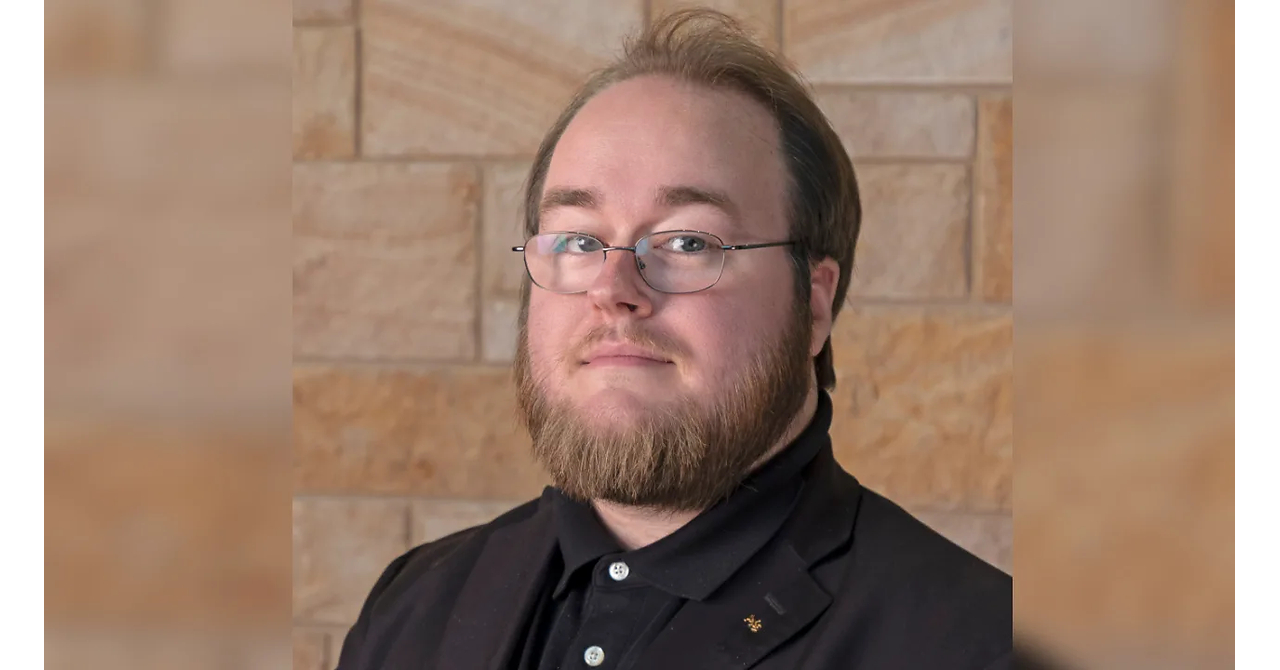
Stowers Institute expands Artificial Intelligence Initiative, appoints second AI Fellow
1 hour ago
 AI News
Why the threat from the rampaging AI machine went ignored | Letters
1 hour ago
 AI News
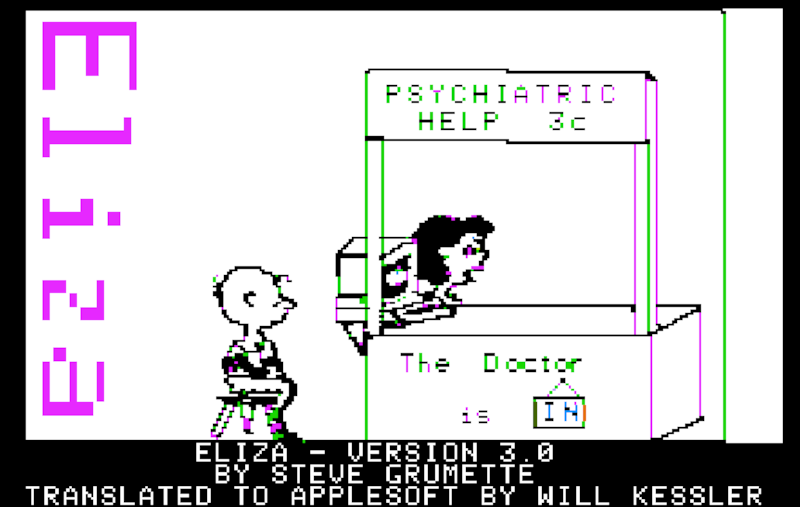
Artificial Intelligence As It Once Was
2 hours ago
 AI News
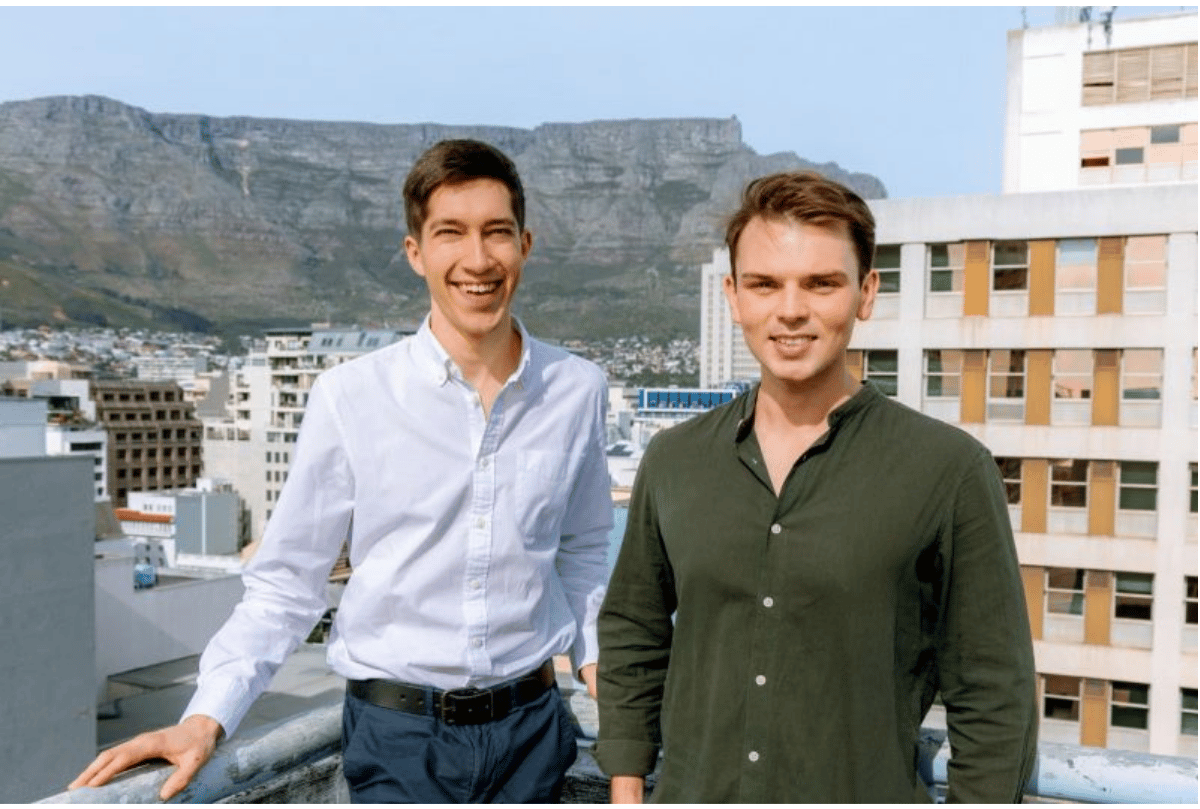
South African AI Startup Verascient Raises $1.2m to Scale Enterprise Platform
3 hours ago
 AI News
Meta rolls out AI game
3 hours ago
 AI News
UK and Ukraine sign AI defence partnership
3 hours ago
 AI News
Google's AI Chip Business Is Booming. Why Gemini 4 Matters More For Google Stock.
3 hours ago
 AI News
Australia's music industry bans AI
3 hours ago