
How Artificial Intelligence is Reshaping the Global Job Market and Creating New Career Paths
Par Li Junqiang, People's Daily
Struggling to structure a proposal or polish online product images in minutes? Artificial intelligence is rapidly transforming everyday life and powering a wide range of industries. While these changes bring both opportunities and challenges, a report by the World Economic Forum estimates that about 92 million jobs worldwide could be displaced by 2030, while 170 million new roles are expected to emerge.
AI is undeniably reshaping the job market. Highly repetitive and standardized tasks are increasingly handled by machines, altering labor demand. However, these shifts do not translate to fewer overall employment opportunities. Instead, traditional industries are integrating AI, and entirely new sectors are being born.
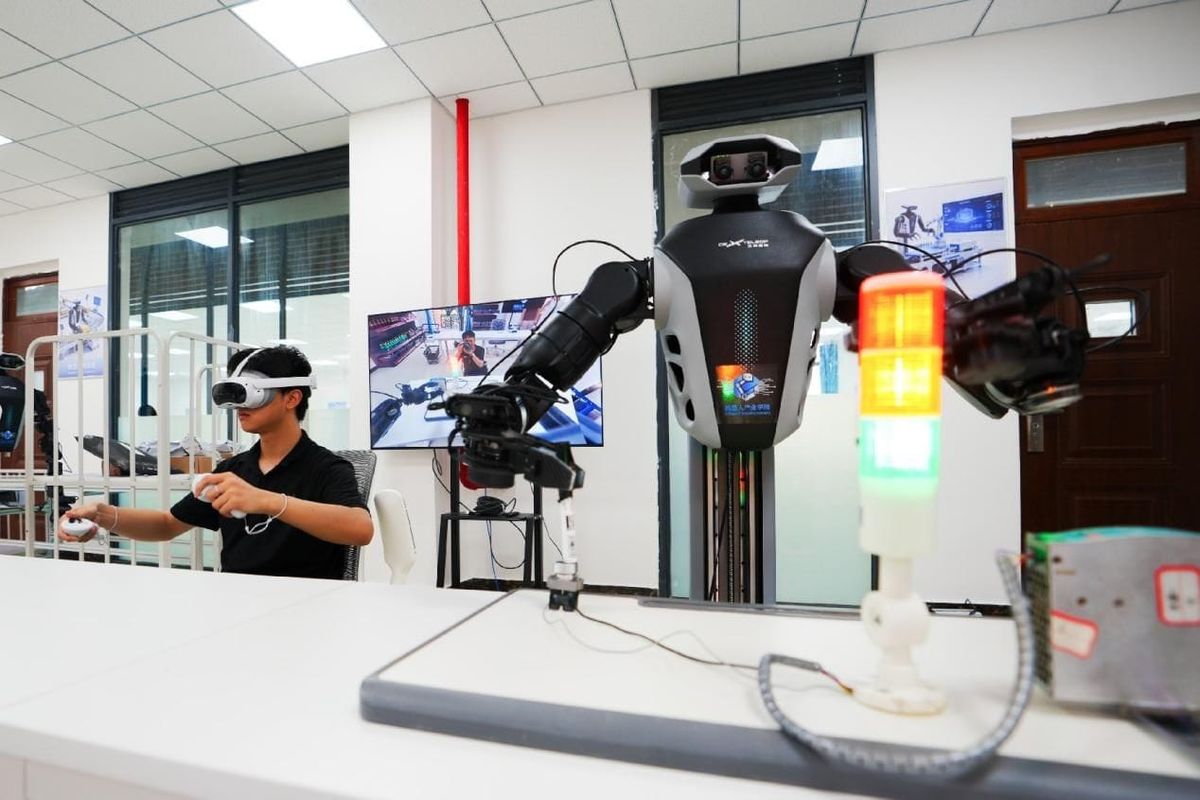
Consider the e-commerce sector, where platforms now recruit "AI visual designers" skilled in content generation. Tasks that once took days can now be completed in hours, freeing professionals to focus on creativity and brand strategy. Similar transformations are occurring in law, where AI screens compliance risks, and in manufacturing, which increasingly demands interdisciplinary talent combining engineering and digital skills.
Official data reflects this shift. Since 2019, more than 30 of the 110 new occupations recognized by China's Ministry of Human Resources and Social Security have been directly tied to AI. In 2025 alone, over 10,000 individuals in Shanghai undertook professional assessments for AI trainers. Roles such as robotics product manager, digital human designer, and prompt engineer are rapidly becoming mainstream career paths for young workers.
Beyond employment, AI is lowering the barriers to entrepreneurship. Tasks that once required a large team and substantial investment—such as coding, multilingual copywriting, and operational optimization—can now be managed single-handedly by individuals leveraging AI tools.
History shows that every major technological revolution, from the steam engine to the internet, ultimately generates new economic demands. As AI drives the intelligent economy, job seekers should focus less on displacement and more on adaptation: identifying which tasks AI can streamline and which uniquely human skills, like critical thinking and empathy, set them apart.
Related Stories
 AI News
Judge lets Minnesota enforce anti
38 minutes ago
 AI News
Arkansas State professor says AI could make entry
38 minutes ago
 AI News
Set up OpenAI ChatGPT Codex with LiteLLM on Amazon ECS and Amazon Bedrock | Artificial Intelligence
38 minutes ago
 AI News
PicPay Launches Anthropic Claude Integration for Banking Inquiries
1 hour ago
 AI News
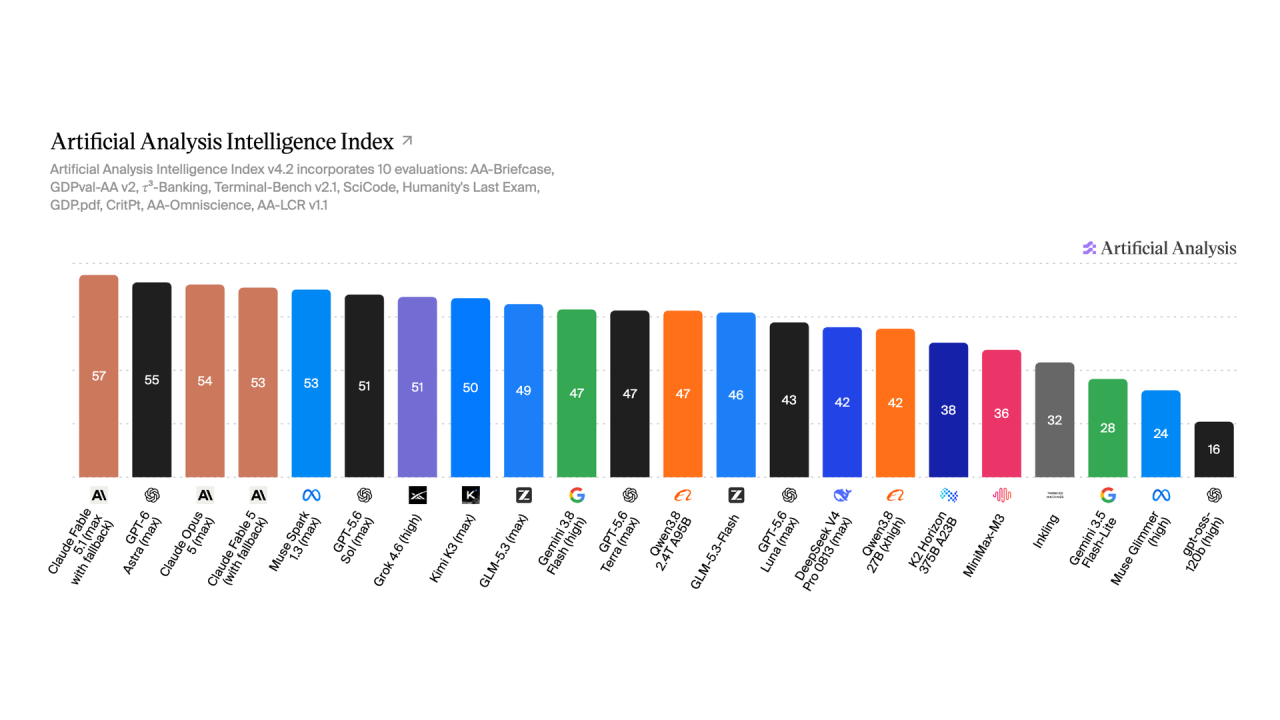
Announcing Artificial Analysis Intelligence Index v4.2
1 hour ago
 AI News
‘Attribution decay’ complicates the picture of AI
2 hours ago
 AI News
AI at work: Bosses are racing ahead of employees in the artificial intelligence revolution
2 hours ago
 AI News
Small businesses can now access GPT, Claude and Gemini Pro from a single plan
2 hours ago