
I Read the Pope’s 240

The online reaction to Pope Leo XIV’s first encyclical, a 42,000-word tome focused on artificial intelligence and published by the Vatican on Monday, has seemingly positioned the Catholic figurehead as an ally of the global resistance to automated technology. Infographics, memes, social media posts, and various analyses have highlighted particular snippets—the Lord of the Rings quote, the call to “disarm” A.I., the comparison of the technology to the Tower of Babel—to frame the 240-page document as a manifesto for the Butlerian Jihad, a reassurance to those wishing to counter the ambitions of accelerationist tech bros. The encyclical, titled Magnifica Humanitas (in English, “Magnificent Humanity”), appears to be another gesture of goodwill from the most relatively progressive and memeable pope of our time.
Still, for however enjoyable the gags and interpretations of subliminal shots have been this week, I find this reading a touch reductive—not merely because the first American pope presented this text with Anthropic co-founder Christopher Olah at his side (and granted him a few remarks), or because the Vatican explicitly solicited the input of Big Tech executives while preparing this document. (Indeed, some believe he didn’t go hard enough against A.I.) Rather, having taken the past few days to read through and digest the entire 240-page encyclical, I find what Leo has accomplished here to be something truly remarkable: an affirmative vision for how humans should approach the A.I. future, one that takes seriously the very real harms of the tech while insisting throughout on the need to make it better, to actually fulfill the utopian promises promulgated by Silicon Valley. For all the explicit and widely shared concerns Leo names throughout, there is a through line of genuine love for humanity and what we can do at our best—including with the machines at our side.
Magnifica Humanitas does not shy away from spelling out the harms of A.I. (e.g., developing war weapons, destroying the natural environment, disrupting kids’ early development years) and the “dehumanizing” effects manifested along the supply chain, such as the unpaid child miners digging up needed metals and the underpaid content moderators helping train these systems from distant locations. (This “unseen” work makes up no small part of Leo’s impetus behind the encyclical’s historic apology for the Catholic Church’s role in the slave trade, and its warning that these labor conditions could fuel “new forms of slavery.”)
Throughout the text, Leo insists on the value of fulfilling human work that doesn’t just lead to productivity gains and remuneration, but also provides “context for expression, relationships and contributing to the community.” He agrees that tech should help to “relieve humans of arduous, repetitive or dangerous tasks” and “provide intelligent support,” but also warns of growing A.I.-induced inequality, which exacerbates poverty and forced migration. He urges that such tools be created with the well-being of workers in mind first. The principle here is A.I. as addition, not replacement.
Leo writes that modern technology has wonderful benefits like the establishment and ease of worldwide interconnections, the formation of global community and solidarity via the digital commons. But what’s also important to note, for him, is that such solidarity is a constant effort in which humanity has to be centered. History shows the advancement of tech and A.I. alone will not automatically cause shared prosperity to blossom, and that humans of consciousness need to be present at the till, with grassroots organizations working in tandem with state actors.
That is not to say humanity is infallible. Magnifica Humanitas expresses anguish at the loss of historical memory around atrocities like the Holocaust, decries the ongoing wars that have suppressed and massacred myriad populations, and points out that the ongoing tendency of nations worldwide to focus on rearmament (including with A.I.-powered weapons) over the general welfare of their populations will not, in fact, ensure domestic peace or a durable defense.
It’s purposefully a little vague. Encyclicals aren’t meant to be strict policy briefs but rather a letter on a topic the pope wants the global Catholic community to seriously reflect upon. Still, he doesn’t shy away from making pointed critiques where he sees fit. For example, Leo points out that the private companies who’ve monopolized control over and knowledge of A.I. are given to “technocratic thinking” that “tends to amplify the power of those who already possess economic resources.” The Big Tech ethos of ultraoptimization and megaefficiency overlooks a key tenet of what makes us work as a society—that our human “limitations” (incapacity, marginalization) are where we find “compassion, as well as a sincere concern for the needs of others.”
There’s a “frequent imbalance between the speed of technological growth and the slower development of awareness, norms, safeguards and institutions capable of governing its effects,” the pope writes. And thus, to slow down development and adoption “does not mean opposing progress,” but ensuring such progress can be realized as beneficial for all.
There’s also a tangible entreaty for global communities to lean on the networks and relationships they have—with their neighbors, schools, civil organizations, governments, and corporations—and address an issue everyone agrees we should be worried about. This is not some fantasy: Leo surely knows that, for all the saber-rattling between the United States and China in their tech race, the researchers behind the scenes are actually working together across the Pacific to share knowledge, insights, and technical faculties. Amid all the fighting, there will always be those who seek another way. (“If we experience authentic encounters with others, with those who are different, strangers and migrants, it becomes much more difficult even to imagine war.”)
One could fairly argue that all this is undermined by the church’s collaboration with Big Tech representatives from companies like Meta and Microsoft, which are eager to accelerate output and customize tools for internal surveillance and external conflict. Most prominent was the Anthropic engineer who was also there on Monday at the Vatican, someone who plays a key role in a startup that has eagerly peddled software to merchants of warfare while ditching many of its own self-professed ethics around responsible development. But I think this can also be seen as part of the spirit of collaboration and community the pope calls for in Magnifica Humanitas. A.I. has been a key motif of Leo’s nascent papacy, from early speeches to advisory groups to the reception of tech execs who’ve approached the holy man on their own. In a dispatch, the National Catholic Reporter quoted Holy See insiders who agreed that inviting Anthropic’s Christopher Olah to sit beside the pope was unprecedented—and that this was the point, as a show that the pope is willing to live his principle and engage in dialogue with everyone. Novel eras provide novel approaches.
Naturally, the tech-bro futurists who’ve long insisted that social justice, intellectual property, labor rights, and environmental considerations need be scrapped to scale up their fantastic visions will not love Magnifica Humanitas’ explicit appeals to social justice, diversity, and anti-colonial principles in the A.I. race. But the pope’s open spirit of dialogue suggests they will not be excluded from his table, whatever they make of him now. Instead of blanket-dismissing tech entrepreneurs or wholesale manifesting a god in the machine, Pope Leo has sought a careful, studied, moral middle ground: one that encourages technological progress but upholds human dignity above all. It’s not a document made for our simplified, summary-laden times. It is a work of searing writing that stays grounded and nuanced while looking ahead, in both practice and rhetoric. When it feels like humans are being crowded out of the spaces we made, the pope is here to remind us that we can still act to make good change and remind everyone that human life is essential for its own sake. We can all live and work together—or we can succumb to fatalism and a false sense of inevitability. The choice is everyone’s.
Related Stories
 Technology
Lectra Takes Equity Stake in Caron Technology
54 minutes ago
 Technology
Is Cardinal Health Building a New Tech
54 minutes ago
 Technology
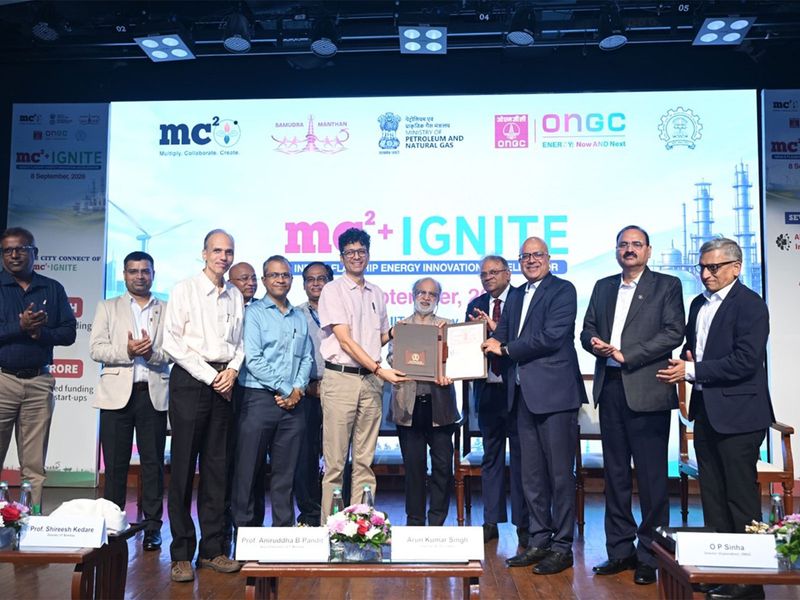
IIT Bombay, SINE, MC²⁺ Foundation sign MoU to support energy startups; ONGC to collaborate
1 hour ago
 Technology
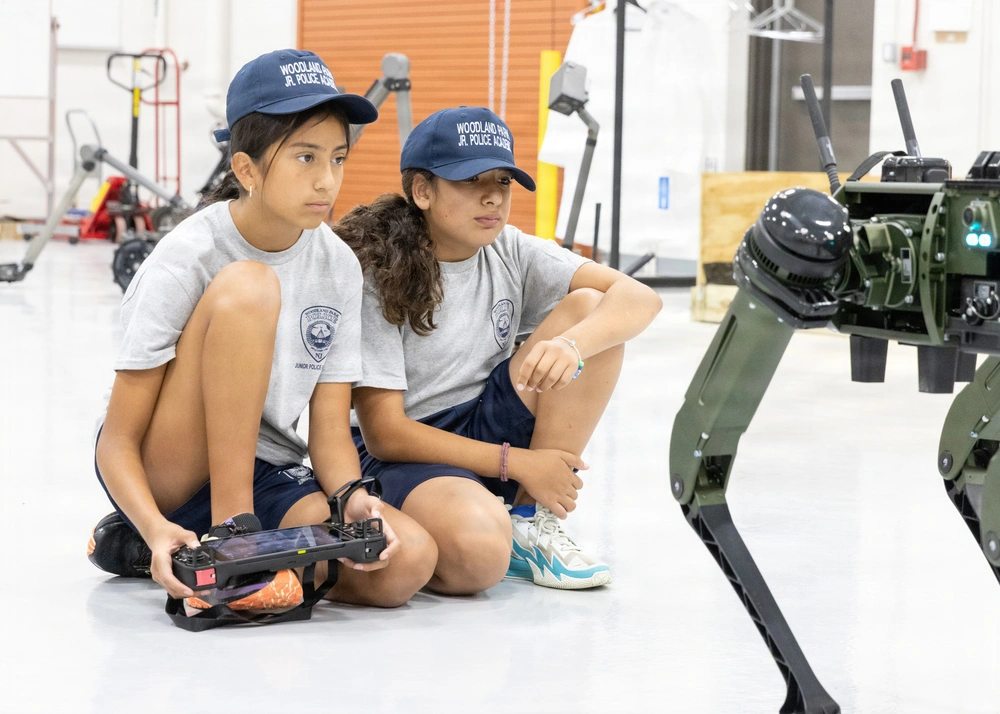
News - Inside the EOD lab: Local teens explore cutting
1 hour ago
 Technology
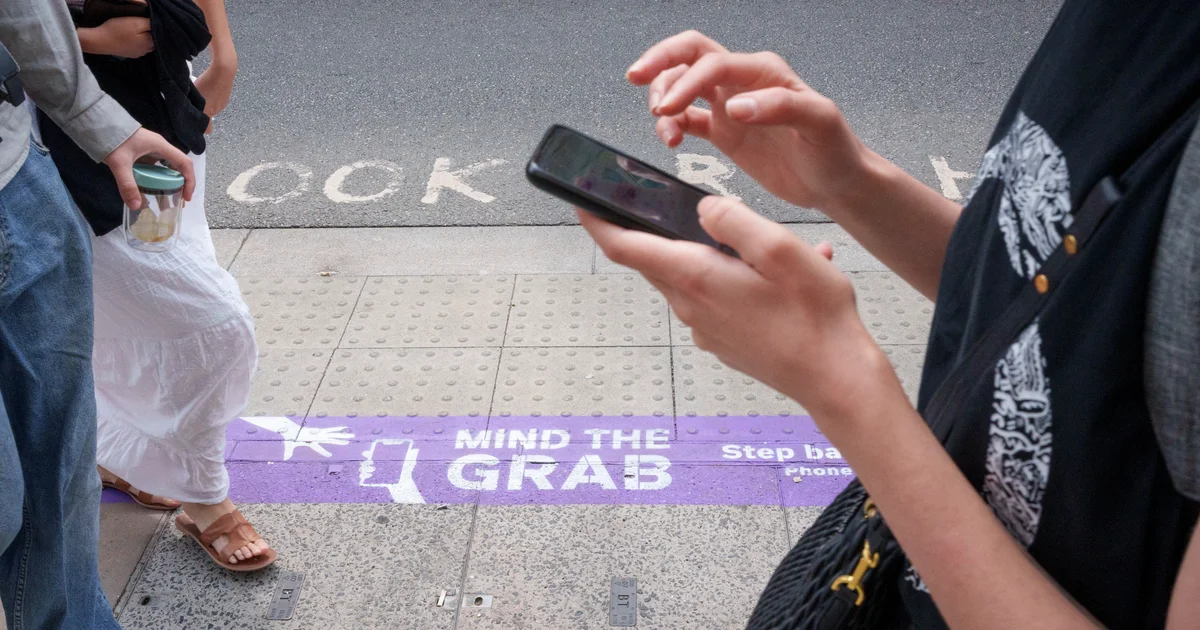
London police use tech to tackle masked phone snatchers
1 hour ago
 Technology
Octave.energy Raises €10M for European Expansion
2 hours ago
 Technology
Google warns Europe search revamp will lower quality as tech giant scrambles to dodge EU fines
2 hours ago
 Technology
Smartwell Technology Misses Filing Deadline
2 hours ago