
In Bujumbura, Kiswahili is emerging as a language of the future in the age of artificial intelligence
In Bujumbura, Kiswahili is emerging as a language of the future in the age of artificial intelligence
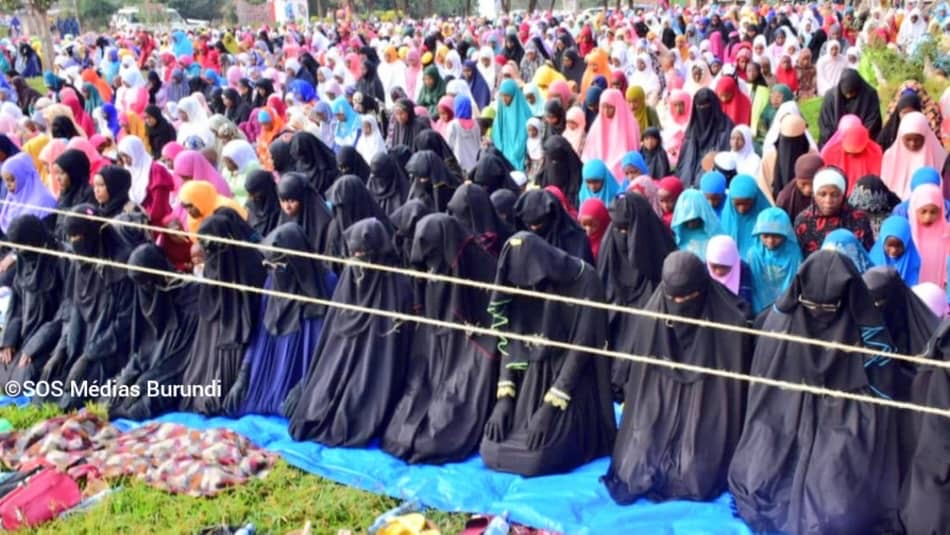
Bujumbura, July 8, 2026 — From July 5 to 7, 2026, Burundi’s commercial capital hosted the 7th International Conference on the Promotion of Kiswahili. Bringing together experts, government officials, academics, and partners from the region, this meeting highlighted the growing role of this language in regional integration, education, trade, and new technologies. Participants advocated for better leveraging the opportunities offered by artificial intelligence (AI) to accelerate the spread of Kiswahili in Africa and around the world.
Leveraging Artificial Intelligence to promote Kiswahili
Organized by the Kiswahili Commission of the East African Community (KAKAMA), the conference focused on strategies to strengthen the use of Kiswahili at a time when digital tools and artificial intelligence are transforming communication and learning methods.
KAKAMA Executive Secretary Caroline Asiimwe explained that the discussions centered on ways to further integrate Kiswahili into digital platforms, artificial intelligence applications, research, and educational systems. She stated that this development is essential for the language to maintain its place in an increasingly technology-driven world.
The Director General for Culture at the Burundian Ministry of Youth, Sports, and Culture, Aline Munyaneza, noted that the member states of the East African Community had made Swahili a priority language. She emphasized that Burundi had already integrated its teaching at all levels of the education system, from primary school to university.
An African language with international reach
Originating centuries ago on the shores of the Indian Ocean, primarily in what are now Kenya and Tanzania, Swahili is a Bantu language that developed through trade between African, Arab, and Asian peoples. Over time, it has become one of the most influential languages on the continent.
Today, between 200 and 250 million people use Swahili as a first or second language. It is spoken in about fifteen countries, including Tanzania, Kenya, Uganda, Burundi, the Democratic Republic of Congo, Rwanda, the Comoros, Mozambique, Zambia, and Malawi.
Kiswahili is an official language of several countries, as well as of the East African Community (EAC), the African Union, and the Southern African Development Community. Since 2021, the United Nations Educational, Scientific and Cultural Organization (UNESCO) has celebrated the World Kiswahili Day every July 7, making it the first African language to have an international day recognized by the United Nations.
Participants acknowledged, however, that several obstacles continue to hinder the progress of Kiswahili. They regretted that the language is still associated, in some circles, with people who are poorly educated or with truck and bus drivers transporting goods and passengers.
For the participants, these prejudices no longer reflect reality. They called on governments, schools, the media, and cultural stakeholders to intensify awareness campaigns to better promote the advantages of Swahili as a language of communication, innovation, commerce, diplomacy, culture, and regional integration.
During the discussions, several participants praised the progress made by Burundi in promoting Swahili. They noted in particular that the country is among those where this language is widely used in the media, in addition to its gradual integration into the education system and administration.
According to them, this momentum helps strengthen exchanges with other countries in the region and fosters better integration of Burundi within the East African Community.
The participants also emphasized that languages are a powerful factor in bringing people together. They facilitate mutual understanding, economic exchange, cooperation, and the consolidation of peace between nations.
At the close of the proceedings, Caroline Asiimwe announced that the 8th International Conference on the Promotion of Kiswahili would be held in 2028 in the Democratic Republic of Congo.
The conference concluded on July 7, 2026, with the celebration, for the fifth time, of the World Kiswahili Day. Designated by the UNESCO, this day aims to promote a language that has become a symbol of African unity and regional integration.
At a time when artificial intelligence is profoundly transforming the production and sharing of knowledge, participants felt that Kiswahili had a historic opportunity to strengthen its position among the major international languages of communication.
SOS Médias Burundi Bubanza, February 2, 2026 – Access to the Bubanza Technical School (ETB), located in Bubanza district, Bujumbura province, in western Burundi, has been prohibited to the public
SOS Médias Burundi, Burunga, March 20, 2026— In Burunga province, southern Burundi, a worrying phenomenon is growing : more and more young people are dropping out of school to try
SOS Médias Burundi Kiremba, April 27, 2026 — At the Musasa refugee camp in Butanyerera province, northern Burundi, school activities have been severely disrupted after teachers decided to suspend classes.
Related Stories
 AI News
Are some teams getting favorable calls in World Cup matches? Here’s what the data shows
15 minutes ago
 AI News
Lionel Messi has spent 63% of this World Cup walking
15 minutes ago
 AI News
WIN a 2026/27 signed shirt from a Premier League World Cup star
15 minutes ago
 AI News
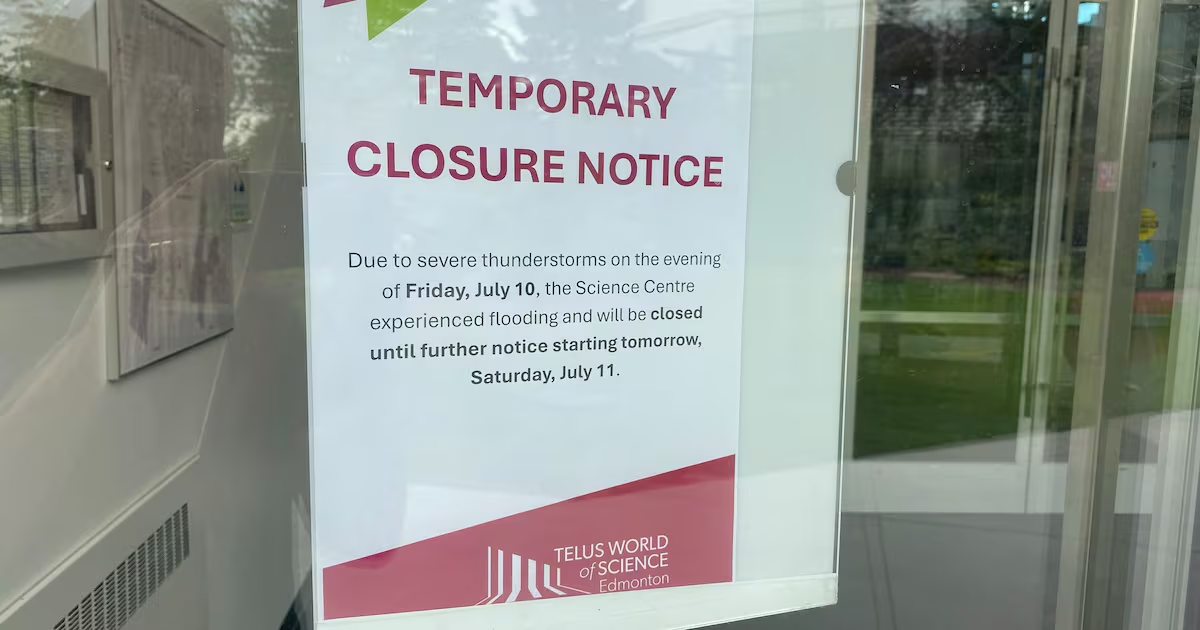
A list of locations that closed after Edmonton’s sudden deluge
15 minutes ago
 AI News
🚨 World Cup: big news ahead of Norway v England kick
15 minutes ago
 AI News
Beyond borders: The rise of Brahminical politics
16 minutes ago
 AI News
London has an all
16 minutes ago
 AI News
Overnight maintenance work delays REM network opening on Saturday
16 minutes ago