
New Law Would Give Artists Sweeping Protections Against AI Stealing Their Work
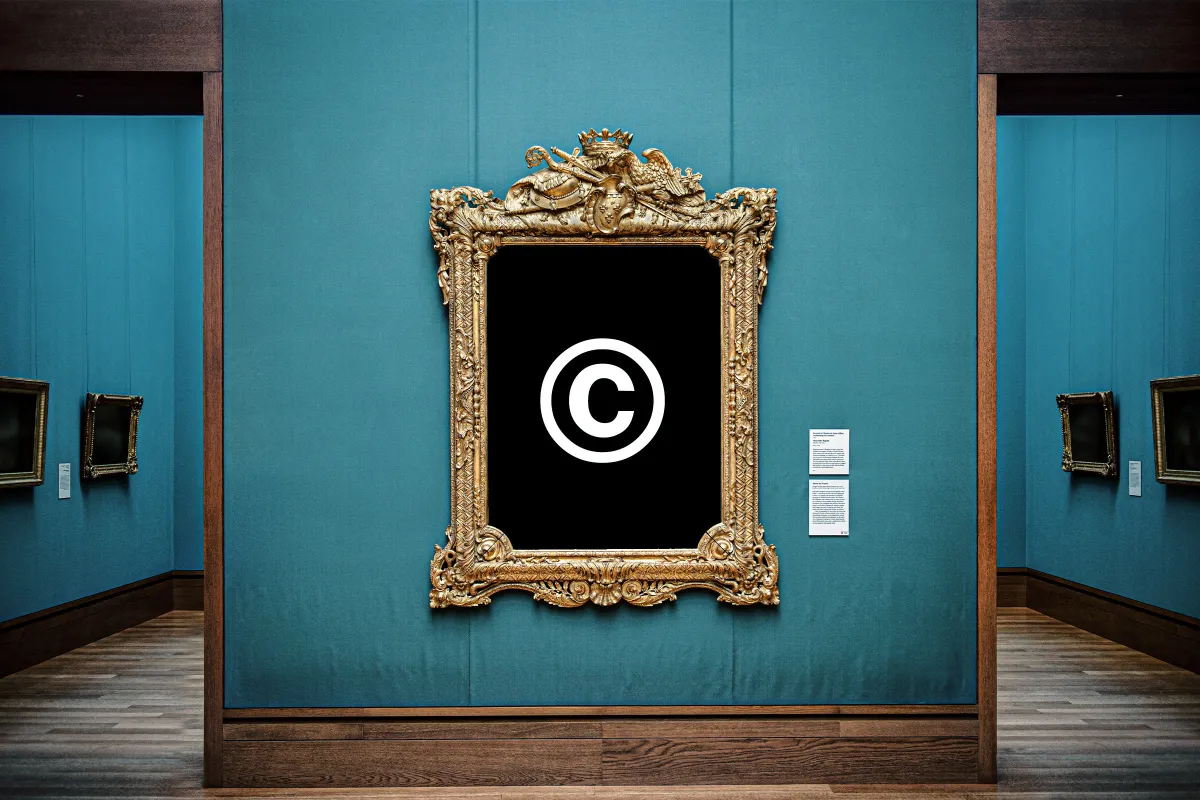
For artists, it’s bad enough that AI companies scraped their artwork without permission or compensation. In a saner age, we’d recognize that for what it is: theft. And it’s even worse that so-called AI “artists” glibly go out of their way to ape the specific style of an actual artist — all while sincerely believing they’re an “artist” themselves for merely typing a prompt.
A new proposed law aims to put a stop to that. Earlier this month, a group of bipartisan lawmakers in Congress introduced the CREATOR Act, which would give visual artists the legal power to crack down on AI being used to replicate their style.
Per Politico‘s reporting, the legislation would apply to “distinctive visual characteristics” and “identifiable visual elements, taken together, that are consistently present in a visual artist’s publicly distributed workers and that are publicly associated with that artist.”
Under the CREATOR Act, artists could sue people who use AI to deliberately imitate their style and profit off it without permission. Going a step further, it would also allow artists to sue the AI platforms that allow this to happen.
As encouraging as artists might find the legal framework to be, experts find it dangerously vague and say it’ll face significant challenges. “Style” is a somewhat nebulous concept, and how it would accommodate copyright law’s fair use exceptions is also unclear.
“There’s a lot of ambiguity about what we mean when we say ‘style,” James Grimmelmann, a Cornell tech law professor, told Politico’s Digital Future Daily newsletter. “Some elements of artistic style are things that are common in a genre… on the other hand, sometimes when we talk about artistic style, we really are referring to characteristics of somebody’s creations that are recognizably by them.”
Mark Lee, an IP attorney at the Rimon law firm, was even more critical.
“It’s really hard to see what you would define as a distinctive artistic style,” he told Politico. “It would make it so ambiguous that it would make it unenforceable.”
As Grimmelmann noted, some elements of style come from the genre an artist is working in. Should an artist be able to claim this is part of their individual style? Could the vagueness of the law allow powerful copyright holders like Disney to exercise even tighter control over their intellectual property by claiming everything under the sun is part of their “style” and blowback on the individual artists it’s supposed to be protecting?
It’s also worth noting that the bill is being supported by the multibillion dollar software giant Adobe, which has been extremely bullish on AI and whose reputation has soured among artists over the years as it’s ruthlessly monetized its products while sounding more and more out of touch with actual creators.
Proponents of the law, nonetheless, argue that it’s designed to only go after bad actors that deliberately used AI to copy an artist’s style, requiring litigants to prove that’s the case.
“It’s very intent focused,” Grimmelman told Politico. But he warned that withour a fair use exception, the law could punish someone who uses an artist’s style as a starting point to create something more transformative and original.
More on AI: Anthropic Sued for Allegedly Ripping Off Its Highest-Paying Customers
Related Stories
 AI News
Artificial intelligence answers: what is the expected result of the Al Ahly and Zamalek summit?
55 minutes ago
 AI News
Artificial intelligence answers: what is the expected result of the Al Ahly v Zamalek summit?
55 minutes ago
 AI News
We saw ‘Artificial’ before everyone else, and now we know why Hollywood tried to bury it
56 minutes ago
 AI News
AI surveillance startup Flock to cut several hundred jobs amid backlash, sources say
2 hours ago
 AI News
The Firmus flop tells us much about the ASX, AI and super’s exposure
2 hours ago
 AI News
A global, hardwired pause of frontier AI training is feasible, says new report
4 hours ago
 AI News
Incorporating Artificial Intelligence into ICT
4 hours ago
 AI News
Mac Users Are Nuking Every Trace of Apple AI on Their Machines
4 hours ago