
President: New Govt Elevates Research, Tech in Denmark's Future
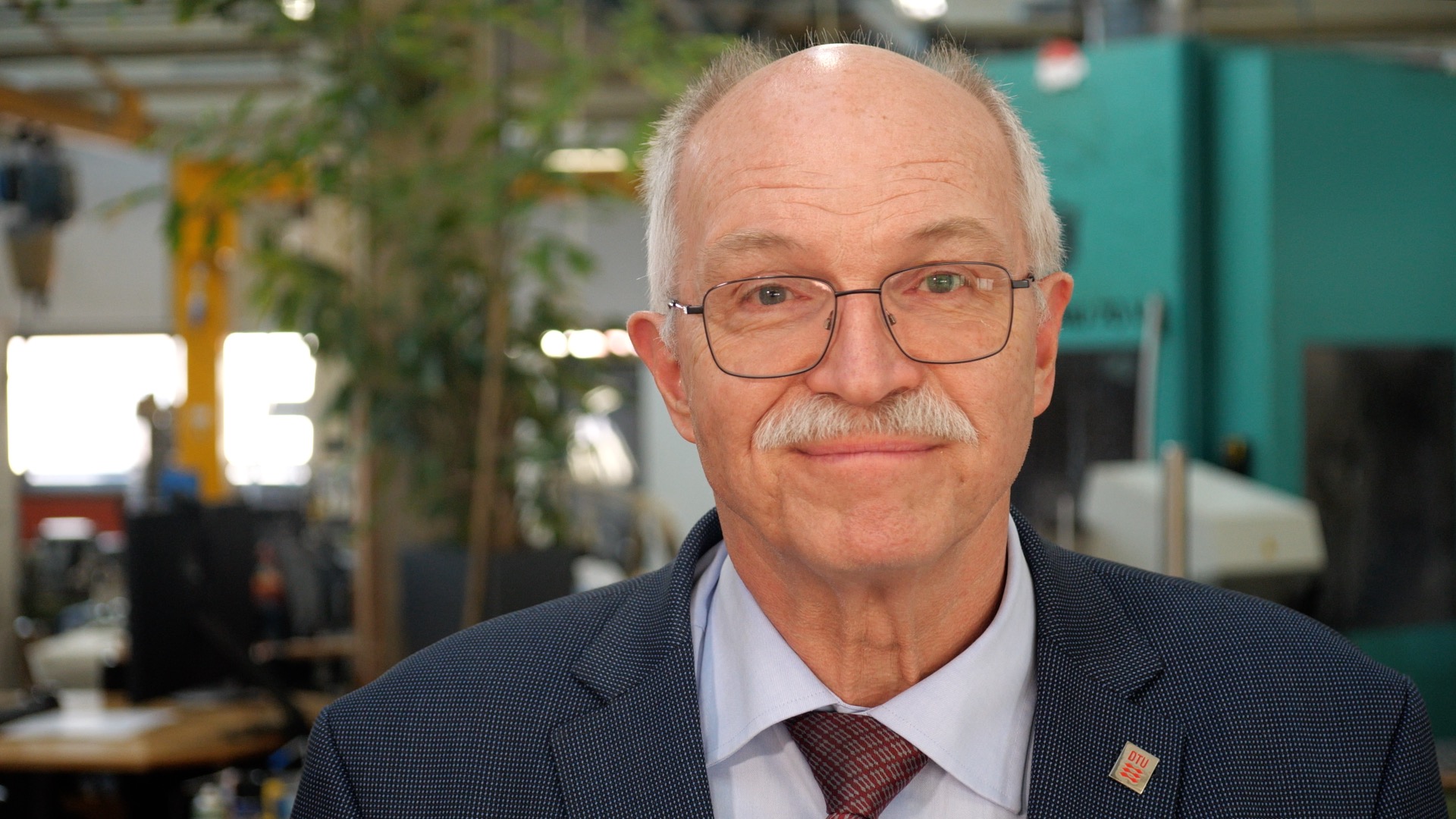
Denmark has formed a long-awaited new "four-leaf-clover" coalition government – and the four parties' government platform indicates a strengthening of Denmark's technological and digital position through investment in research, more STEM graduates a national initiative for artificial intelligence and an increased focus on technological sovereignty and European competitiveness.
DTU is particularly pleased that Christina Egelund (M) will continue as Minister of Higher Education and Science and will also take on responsibility for digitalization.
"It makes perfect sense to bring together research, education and digitalization. These areas are closely interlinked and will be crucial to Denmark's future," says DTU's President Anders Bjarklev.
DTU welcomes the government's decision to create 2,000 additional undergraduate places within study programmes primarily within the STEM-fields.
"Denmark will need far more engineers and technology specialists. That is why more STEM places are an important investment in the future workforce and competitiveness," says Anders Bjarklev.
DTU also notes that research plays a more central role in the government's policy platform than in any previous government programme. Research and technological development are not only highlighted as independent policy areas but are also included as solutions to society's major challenges.
This applies, among other things, to defence and security, health and life sciences, artificial intelligence, digitalization, the energy sector and the development of a new national strategy for quantum technology.
Over many years, DTU has built up international strengths in precisely these areas which the government now prioritizes highly. The university is among the leading research environments in fields including quantum technology, artificial intelligence, defence technology, health technology, life sciences, green energy, and advanced digital solutions.
"DTU is ready to contribute. We have strong academic environments and look forward to collaborating with the government to turn these ambitions into concrete results," says Anders Bjarklev.
AI and technological literacy in education
The government's policy platform also emphasizes technological literacy and the application of new technology throughout the education system. Among other things, a national strategy for artificial intelligence in the school and education sector is to be drawn up, and technological literacy is to be strengthened as early as primary school.
According to DTU, this is crucial to ensuring that more young people develop an interest in science and technology and later choose higher education within the STEM fields.
"An understanding of technology must be a natural part of young people's education. This is important both for society and for recruitment to technical and scientific courses," says Anders Bjarklev.
Related Stories
 Technology
Quebec engineer testing technology to solve algae problem in lakes
5 hours ago
 Technology
Second US port to explore nuclear maritime technologies
7 hours ago
 Technology
Abu Dhabi DoE expands tech partnerships during US visit
13 hours ago
 Technology
MIT Indias IRS 2026 Brings 100+ Startups and 100+ Student Teams Together, Advancing Innovation, Entrepreneurship and Industry
15 hours ago
 Technology
Liverpool, Telangana explore strategic partnership in life sciences, tech, sports | World News
17 hours ago
 Technology
Crowdstrike, T
17 hours ago
 Technology
Could these alternative homes be the future in a hotter Britain?
19 hours ago
 Technology
Cyprus Business Now: shipping forum, fuel prices, GSI, travelling, startups, CSE
20 hours ago