
Some women seeking sperm donation are being coerced into sex
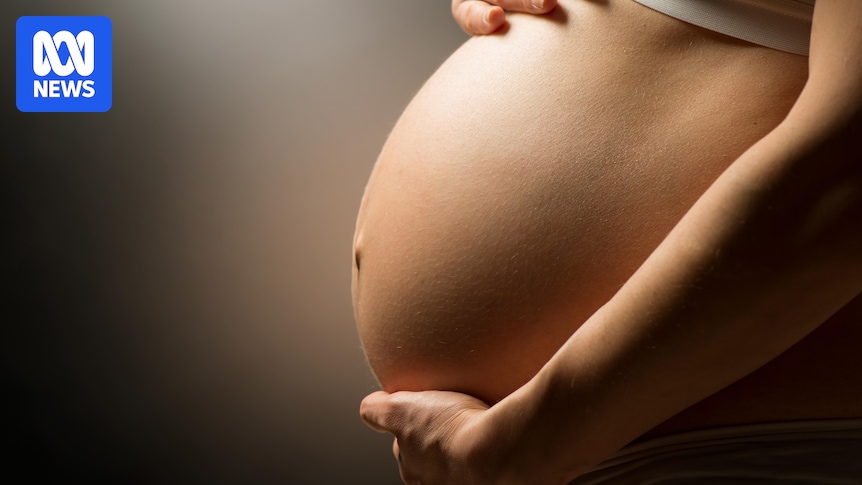
Australia has a sperm donor shortage and women are turning to social media and apps
Women are turning to websites like Facebook to find sperm donors. (Adobe Stock)
It is 11:45pm on a Sunday night, and an anonymous woman has just posted in a Facebook group.
Not long after, men start replying, offering to help.
What she has asked for is sperm, and now the rest of the conversation has moved to her DMs.
Welcome to the world of online semen donation.
The number of people looking for sperm donors has never been higher in Australia, and supply has not been able to meet demand.
"It's perhaps a societal change," said Professor Roger Hart, medical director at Fertility Specialists of WA.
"Nowadays it is very common to see women going it alone … also we have more lesbian couples seeking sperm donors."
Some women report waiting years to find a donor, in part because many states have strict rules about how many families each donor can give to.
In Australia, it is also illegal for donors to be paid, and they can no longer be anonymous.
Some parents are choosing to bypass clinics and find sperm donors online. (Adobe Stock)
Overseas sperm via a clinic comes with a price tag of between $2,000 and $3,500 per vial, and most women need several to succeed.
Clinic fees, including counselling and IVF, come on top of that cost.
It can quickly add up to tens of thousands of dollars, and some hopeful parents are looking for cheaper, quicker ways.
That's why dozens of these Facebook groups, with thousands of members each, have popped up in recent years.
The messages posted in the groups run the gamut from light-hearted to alarming.
One donor wrote: "The trick is to accept the absurdity of the whole process and have a good laugh at ourselves along the way."
Another donor, based in the US, wrote: "Hello, future mamas! I'm your friendly neighborhood seed-spreader. BABY MAKING WITHOUT THE BAGGAGE!"
Some of the posts seeking a sperm donor get straight to the point — "any Melbourne based donors blonde Australian 6ft?" — while others spell out the need for STD checks, medical history and a formal agreement setting out the terms.
"We are looking for AI only, with clear full health screening," wrote a same-sex couple from Brisbane.
AI means artificial insemination, but there are other ways that donors offer to help too — NI refers to natural insemination: in other words, sex.
It's difficult to know how many families an online donor has given sperm to. (Adobe Stock)
Some women have reported going to meet a donor in their fertile window, only for him to change the terms.
"I do speak to women who are in a situation where they found a donor online and then they have felt like they've been coerced into having sexual intercourse … and it might feel like that's the only option available to them," fertility lawyer Sarah Jefford told 7.30.
"We also have situations where the parties might have proceeded with what they thought was a donor arrangement only for the donor to actually change their mind later and insist on parental rights.
"It places them in a situation where they have ongoing risks for themselves and the child.
"We also need to consider the rights of the donor-conceived person and their siblings.
"If their story is marked by an online interaction that was not positive or that had ongoing ramifications and disputes between the two people that made them, then that's part of their story that they also have to reconcile with and live with."
There are concerns about the legal and emotional ramifications of finding donors online. (ABC News)
It is also hard to know how many families a donor has given sperm to, with no formal register.
Most Australian states have strict limits on the number of families a donor can help, but there are no rules with unregulated private arrangements.
There have been well-publicised cases of men donating to many more families than is legal.
7.30 has spoken to several donors who admitted they didn't stick to the limits in their state.
Donor Conceived Australia is an organisation advocating for donor-conceived people. Chair Emily Johansen says the organisation is worried about children "being conceived outside of the scope of assisted reproductive laws".
"Unregulated private online donation strips future children of their fundamental rights," she said.
"Donor Conceived Australia is deeply concerned that this unregulated market completely erases the legal and medical protections we've spent decades fighting for."
Jay Lazarus says he had hundreds of responses after posting on a Facebook group that he wanted to donate sperm. (Supplied)
Perth hairdresser Jay Lazarus is part of one Facebook group with more than 20,000 members.
"Do I think the group is the right thing for the community and people needing it? Yes, I think it is a starting point," Mr Lazarus said.
"Being a gay man [I'm] finding it really hard for us to be able to have kids, I thought why not, while we're starting that process, help someone else?"
He is concerned about the process and some people's reasons for donating sperm, which could include coercion.
"I think there are a lot of people out there that are doing it for the wrong reasons, which is super scary," he said.
Mr Lazarus says he got more than 300 responses when he posted in the group, offering to help someone by being a donor.
The offers he was met with shocked him.
"I got inundated with private messages, beautiful stories and some not so beautiful stories," he told 7.30.
"Some people talking about how they're ovulating, they live in Perth and they would love me to come over now.
"That wasn't what I wanted. I wanted to create someone's special journey."
Mr Lazarus decided to donate to a lesbian couple, Olivia and Simone, who lived a couple of hours away.
They're now expecting their first child in January.
Olivia and Simone are expecting a baby in January after receiving sperm from Jay Lazarus. (Supplied)
"We get photos, we get regular updates," Mr Lazarus said.
Another woman, who wanted to remain anonymous, told 7.30 she met her donor through a Facebook group but spent a year getting to know him before he helped her conceive.
He's now set up a message group with the five families he has helped so they can connect with each other, and they share pictures of their children on their birthdays.
Sperm by app. Is it worth the risk?
While some people are using social media to fill the donor gap, it is one that has also been identified by tech companies.
Paul Ryan says his app helps connect people who want to have children. (ABC News: Jack Stevenson)
Paul Ryan is the founder of an app aimed at matching people who want to have children.
The app allows users to search for what they are looking for, whether that be sperm, egg, womb or embryo by swiping "yes" or "no".
He insists the app is not a catalogue of sperm donors, but more a chance to connect with other people who want to have a baby.
"We're not really actually making babies at all. We're just helping people connect to each other and they make the magic happen at home," he said.
The app is aimed at helping people find matches for their needs. (ABC News)
The company doesn't currently track how many children are born through these connections, but Mr Ryan says that is "part of his vision" for its future.
When asked about possible risks, he said he believed people in the market could make their own decisions.
"I've got a lot of faith in people, adults to make good decisions and to watch their back and to use their own street smarts and to take responsibility."
Kelly Lehmann chose to find a sperm donor through a clinic. (ABC News)
For all those looking to use apps or social media to conceive, there are others, such as 34-year-old single mum Kelly Lehmann.
"We don't want to see what happens in America where you have unknown donors and donor children having half-siblings, having children with their half-siblings. That's a terrifying thought to me," she told 7.30.
"I just thought that was not something that I can risk for my own future and for my child's future because in the long run, that's going to cost way more, I think."
Kelly Lehmann's baby is due in December. (ABC News)
Going through a clinic has cost her more than $20,000 but she says it was worth it.
Watch 7.30, Mondays to Thursdays 7:30pm on ABC iview and ABC TV
Related Stories
 AI News
BITS Pilani
4 minutes ago
 AI News
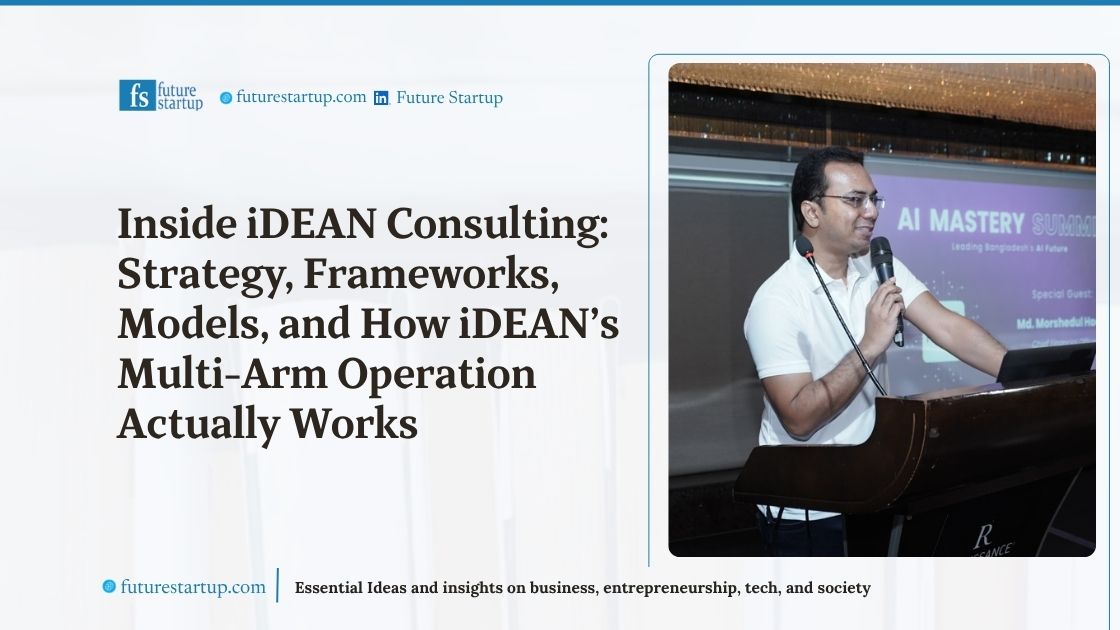
Inside iDEAN Consulting: Strategy, Frameworks, Models, and How iDEAN’s Multi
4 minutes ago
 AI News
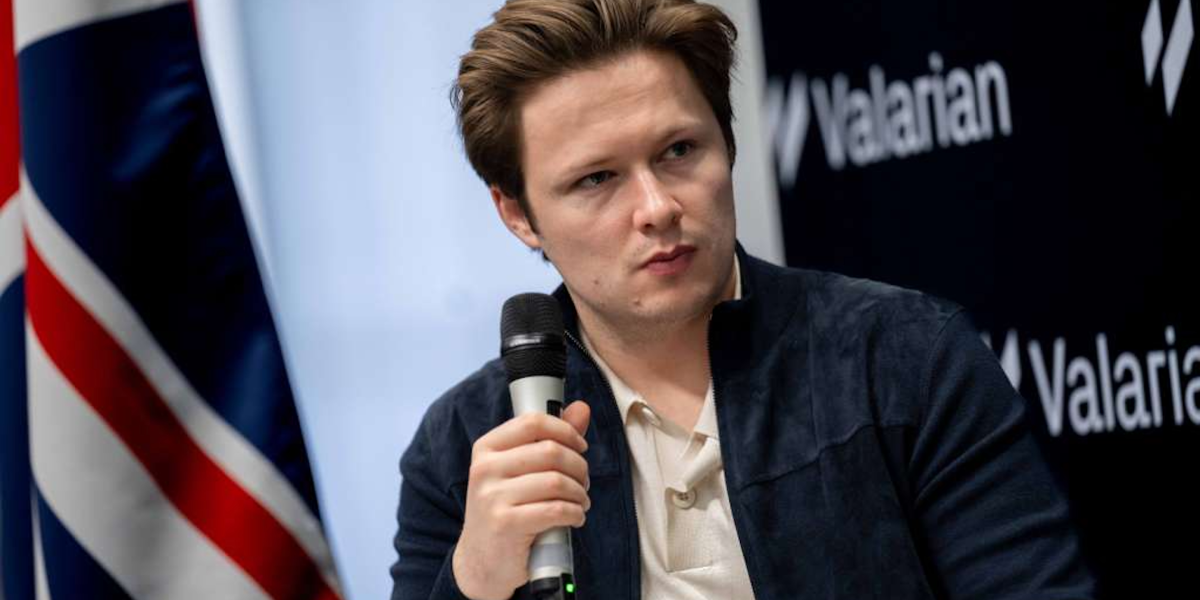
Valarian raises $50 million to help governments and enterprises escape America's cloud grip
4 minutes ago
 AI News
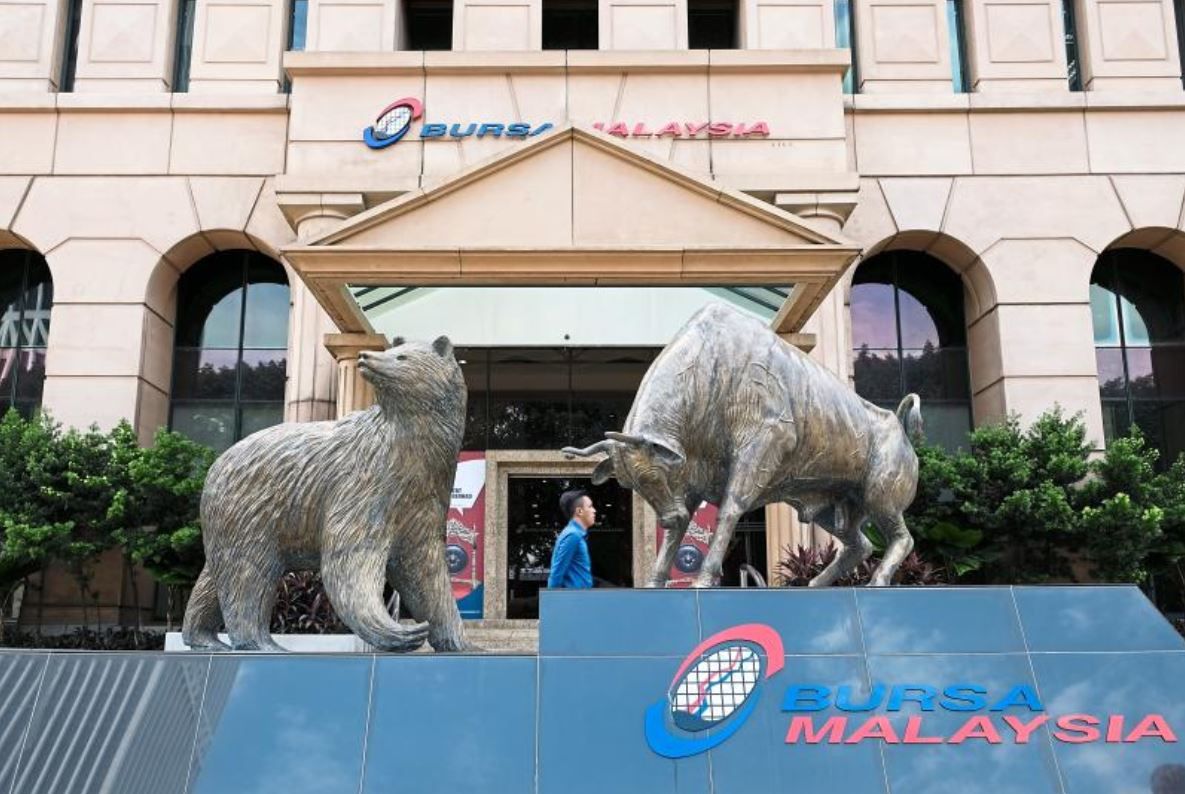
Bursa Malaysia’s technology director Ashish Rege steps down
5 minutes ago
 AI News
DeepTalent Technologies launches AI
6 minutes ago
 AI News
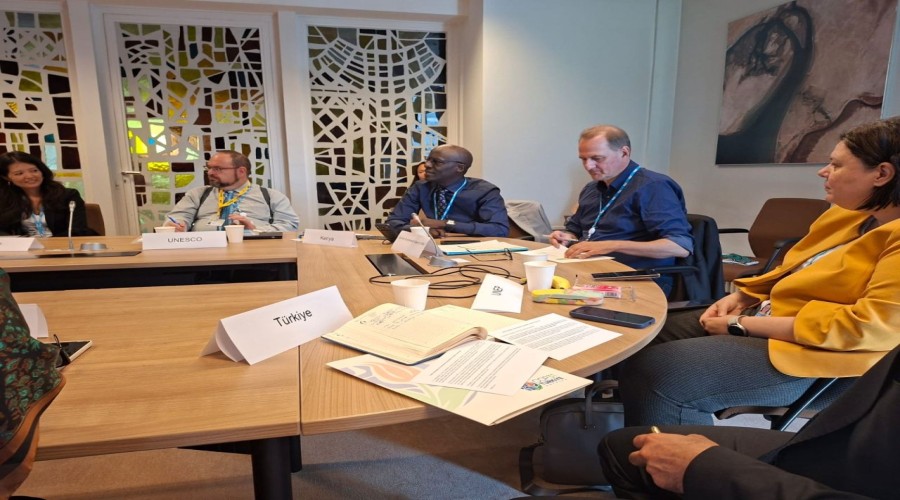
Kenya advocates for environmental sustainability to be central to Global AI Governance
6 minutes ago
 AI News
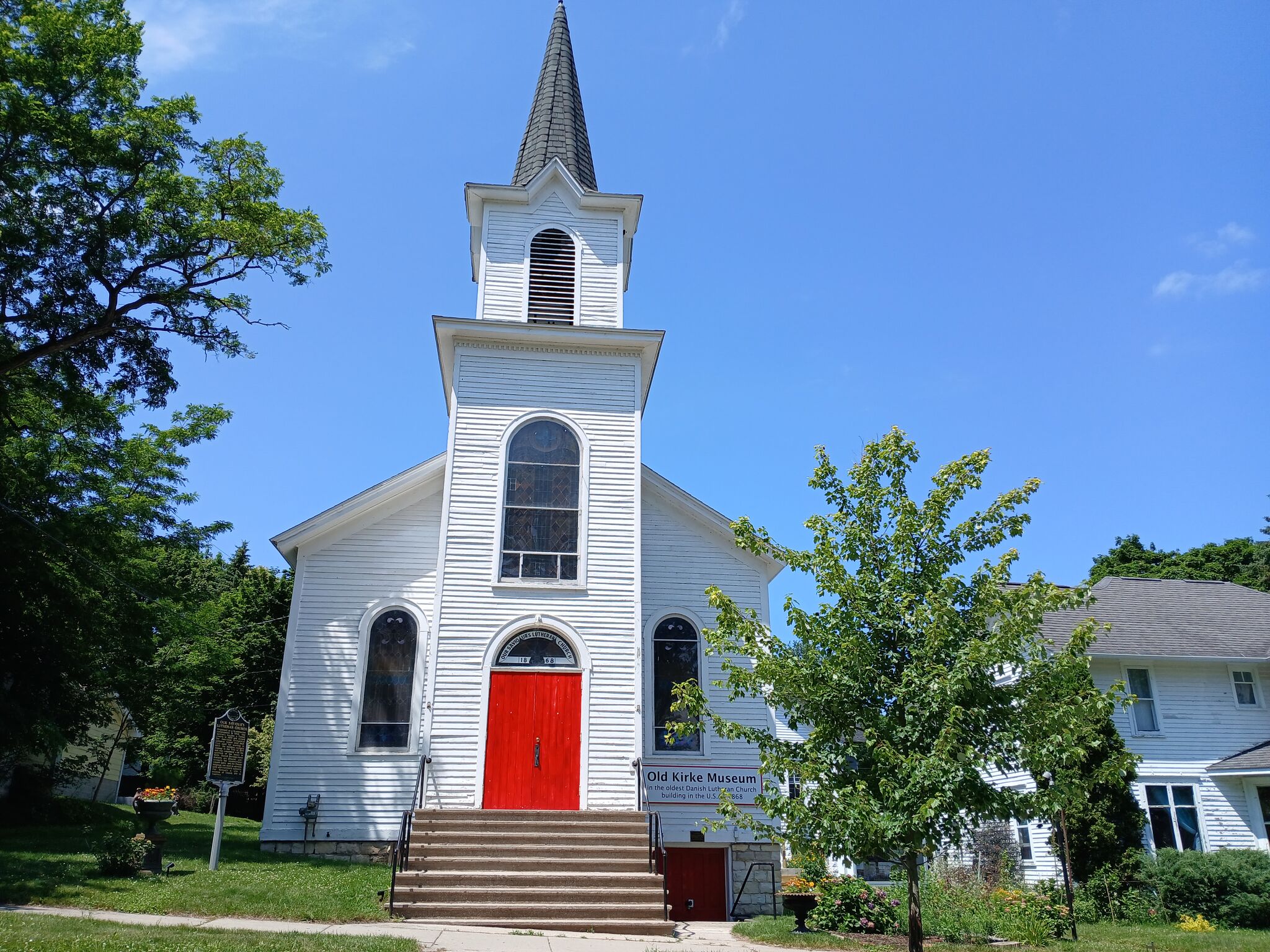
Talk at Old Kirke Museum to focus on intersection of art, technology
6 minutes ago
 AI News
AtkinsRéalis appoints two new members to the Board of Directors, strengthening AI and technology expertise
6 minutes ago