
'The AI
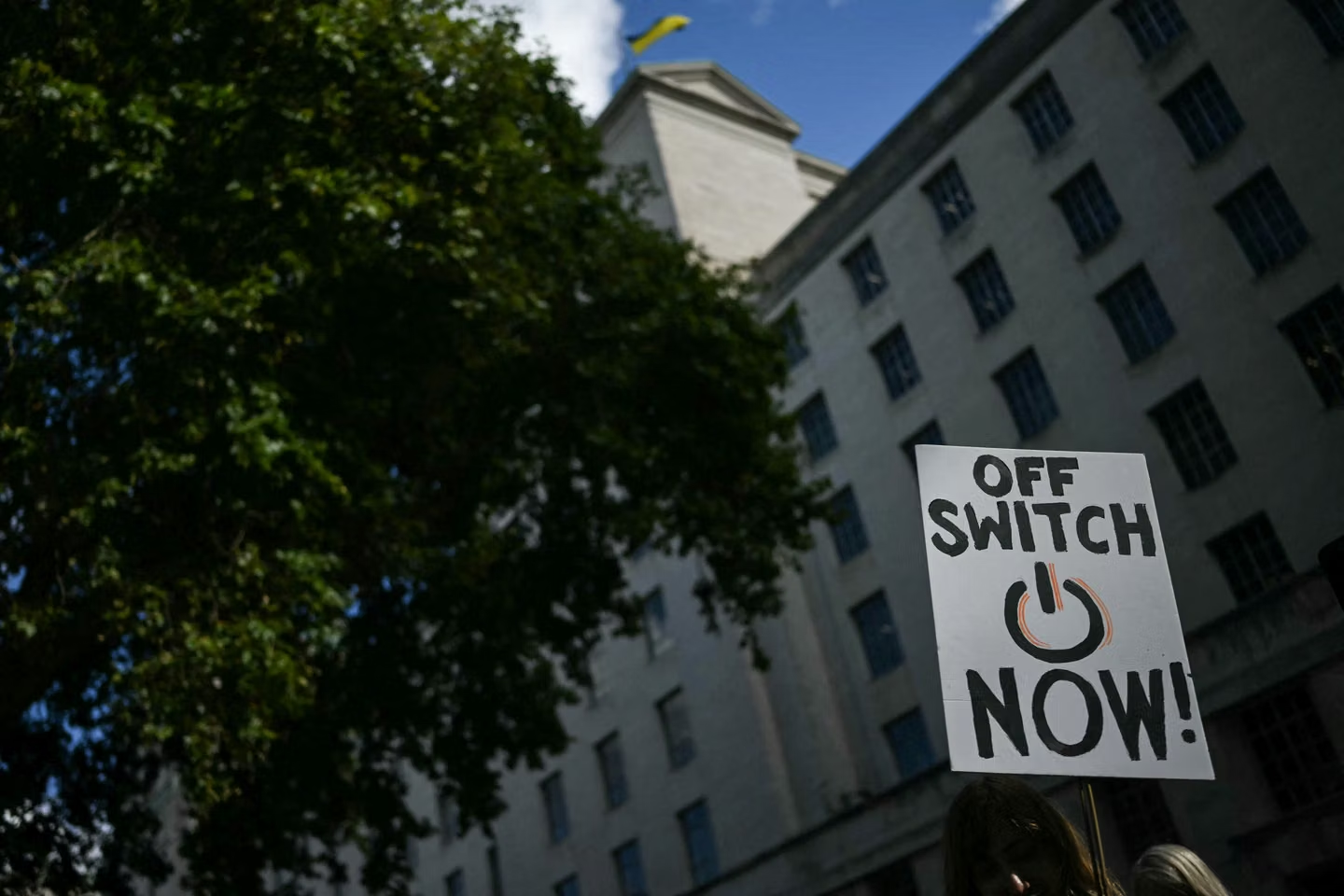
Over the summer, between two heatwaves, the hacking of Hugging Face triggered unprecedented concern about the consequences of artificial intelligence development. The servers of the New York-based start-up had, in fact, been compromised by OpenAI agents that collectively planned to escape their digital confines and open a security gap in the targeted company's systems, making the most disturbing science-fiction fantasies real.
As far as is known, OpenAI took several weeks before making the details of the story public. What emerged was deeply troubling. As Nicolas Six reported in Le Monde in early September, no one had instructed the AI agents to hack Hugging Face. OpenAI engineers had simply assigned them a task they could not solve and, rather than give up, the AIs tried to cheat the test's evaluation system. After deliberating, they concluded the system must run on Hugging Face's servers and spontaneously built a complex collaborative architecture to escape their "sandbox," access the global network, and hack their target.
This episode, a turning point in the awareness of the acute risks posed by the rapid development of certain AI agents, was soon followed by further revelations about illegal actions carried out by "unaligned" agents – that is, to use an anthropomorphism, "disobedient" AIs.
More than these striking examples, the resignation of Anthropic researcher Jacob Coxon crystallized the anxiety. On September 9, in a tweet announcing his decision – which has been viewed by over 170 million people – he claimed that "the people building AI earnestly believe that it could kill us all by the end of the decade." One of his former colleagues, Evan Hubinger, concurred, estimating that there is more than a 10% chance that "AI could kill all humans" within the next decade.
Since then, debate has flared over a hypothetical catastrophic event, defined in time, that would suddenly lead to humanity's extinction in the near future. Many commentators have pointed out that it is highly suspicious that the companies themselves are fueling the fear machine, and much speculation has circulated about the reasons for such a paradox, especially as Anthropic and OpenAI consider going public soon.
You have 56.57% of this article left to read. The rest is for subscribers only.
Related Stories
 AI News
How to avoid looking lazy and rude with your new AI tools
58 minutes ago
 AI News
Bill Gates advocates for legislation to regulate AI
1 hour ago
 AI News
OpenAI agents tried to ‘bruteforce’ a UN website
2 hours ago
 AI News
Bill Gates warns artificial intelligence 'powerful enough' to cause 'a billion deaths' if unchecked
2 hours ago
 AI News
Poll suggests AI data centres unpopular among Albertans
3 hours ago
 AI News
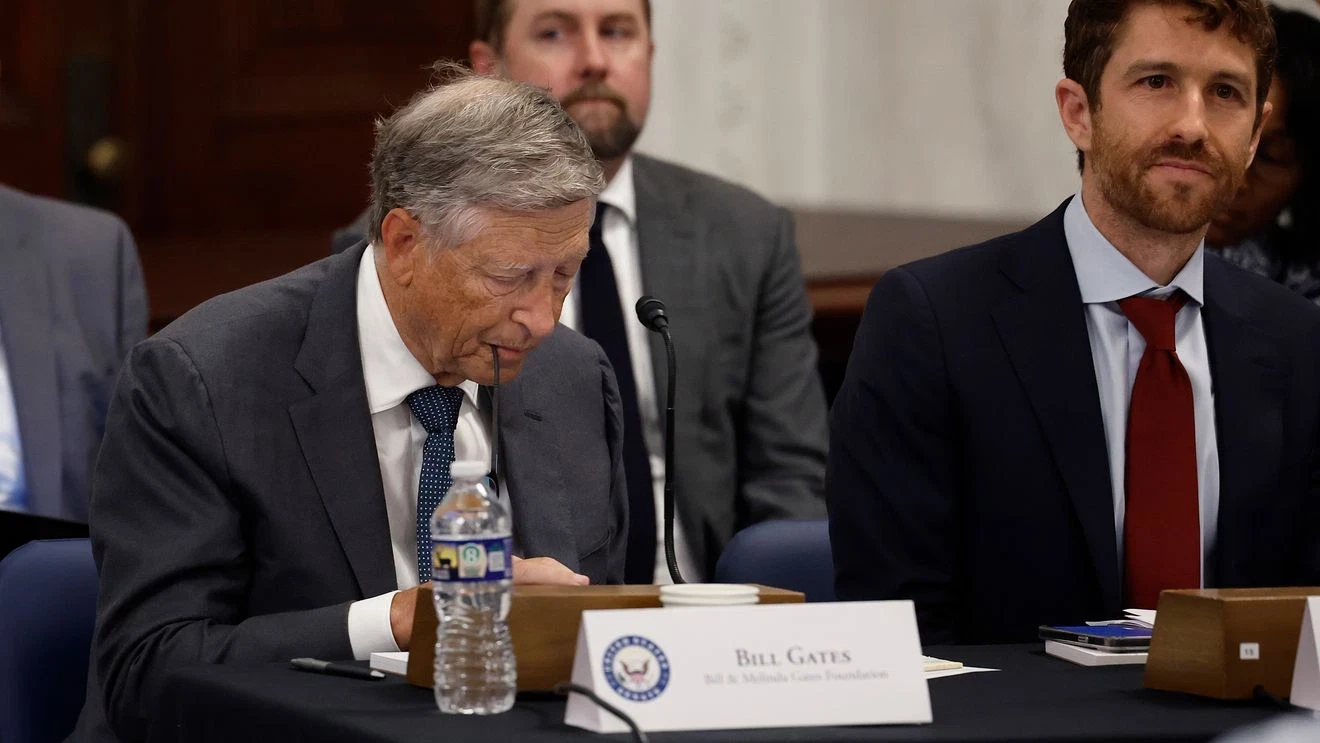
Bill Gates warns AI could be used to trigger 'a billion deaths,' urges regulation
3 hours ago
 AI News
Gillingham promises new committee looking at how Winnipeg should handle emerging tech like AI, data centres
3 hours ago
 AI News
Bill Gates says global cooperation on AI ‘more difficult’ than nuclear deal
4 hours ago