
This Pillar Might Hold the World’s First Architectural Blueprint
Here's what you'll learn when you read this story:
The 11,500-year-old Göbekli Tepe site in Turkey features three unexplained drawings on a limestone pillar.
There's debate about whether the "handbag" images constitute the world's first architectural drawings.
Researchers still can't rule out that the shapes are ritual symbols rather than schematics.
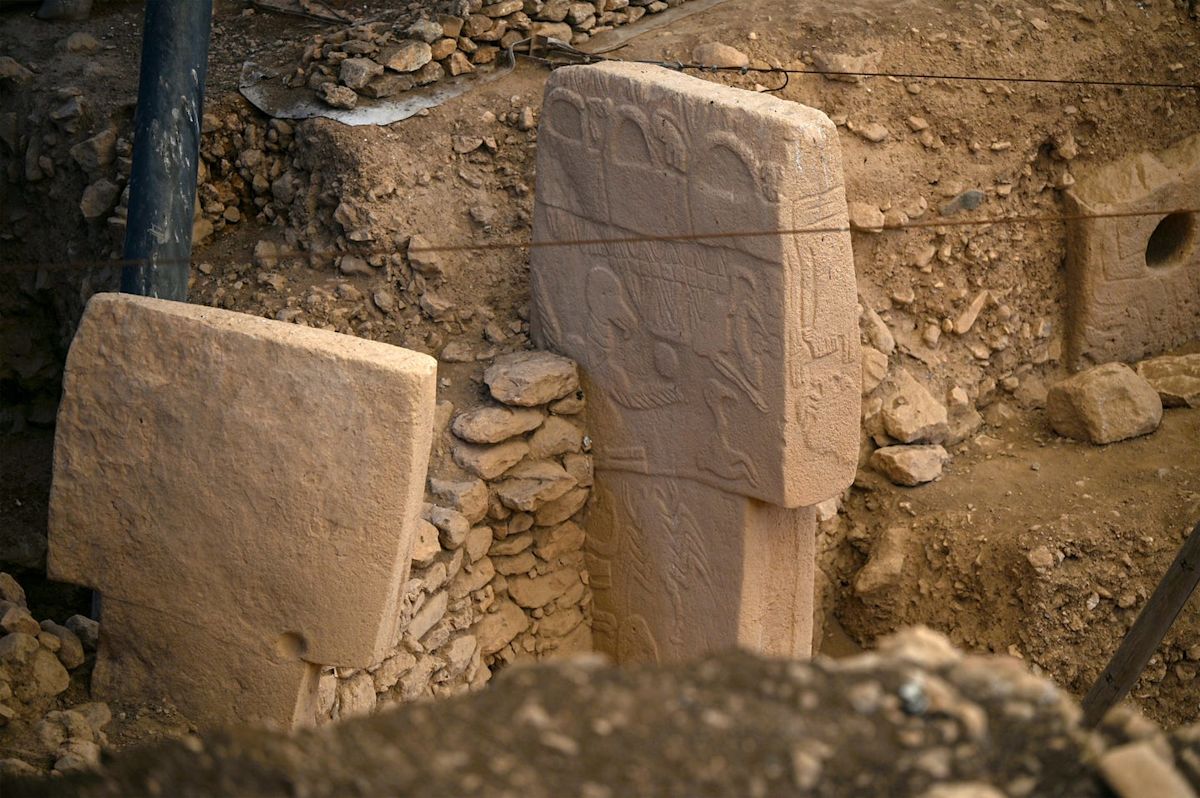
Three images carved high on Pillar 43 in the famed Göbekli Tepe "temple" confound experts. The "handbag" images—so called for their rectangular bases and curved tops—remain unexplained after 11,500 years, and the leading explanation is a strange one.
Turkish lecturer and architect Bora Uluurgun revived the belief that the images represent the world's first architectural drawings. In a report from Arkeonews, Uluurgun suggests the images represent a two-dimensional plan for a building at the site, with the curved portion representing the profile of a domed roof and the rectangular lines beneath it depicting the building's walls. The differing animals shown next to each image, he suggests, represent where the entrances go.
Of course, it's mere conjecture, but previous debate around the images has included the architectural discussion.
Göbekli Tepe, a UNESCO World Heritage site in the Germus mountain range of Turkey's Anatolia region, is dotted with T-shaped pillars carved with wild animals. Experts believe hunter-gatherers built the megaliths between 9,600 and 8,200 B.C.E., in the Pre-Pottery Neolithic Age, and used them primarily for rituals.
One of the site's most notable pillars, Pillar 43, known as the Vulture Stone, features carved images of birds, snakes, a scorpion, and even a headless human. There are also plenty of geometric shapes carved into the stone pillar, but the handbag-like imagery near the top specifically drew the scrutiny of experts.
In 2011, archaeologist Edward Banning became the first to publish a study suggesting the images with "handle-like attachments" represented vaulted or domed roofs. Additional researchers have joined the fray, suggesting the images represent the profile of structures.
Uluurgun, though, has taken it all a step further, suggesting the three symbols depict plans for actual spaces at Göbekli Tepe. Recent discoveries have made the idea harder to dismiss. Archaeologists now believe the site contained many more structures than they once thought. And while the site has long been thought to house structures only for ceremonial gatherings, recent research used geophysical surveys to locate several large buildings with internal layouts that mimic the layout of a residence.
A 2020 study by Gil Haklay and Avi Gopher suggested that Buildings B, C, and D were similar enough that they followed roughly the same architectural plan. Uluurgun suggests those plans were written. While certainly rudimentary by today's architectural standards, Uluurgun says the Göbekli drawings could represent an attempt to plan out three-dimensional construction first by creating a two-dimensional illustration.
Still, there are plenty of reasons to question the theory that designers carved schematics on an existing structure, and not a tablet, if they served as plans for future construction. The use of animals on the drawings could also be read as some sort of symbolism, and there are no dimensions or instructions included with the images. So while theories abound, the questions do too. Experts hope further finds at Göbekli Tepe provide schematic-style answers.
20 Cars That Were Massively Improved by a Redesign
Going on Vacation? These Appliances Need to Be Unplugged Before You Leave the House
Roborock Reigns Supreme for Robot Vacuums, but We Also Loved These Other Models
Related Stories
 World
World
Infantino pledges 'culture of dialogue' after uproar over World Cup sell
15 minutes ago
 World
World
The world's top cities for 2026
15 minutes ago
 World
World
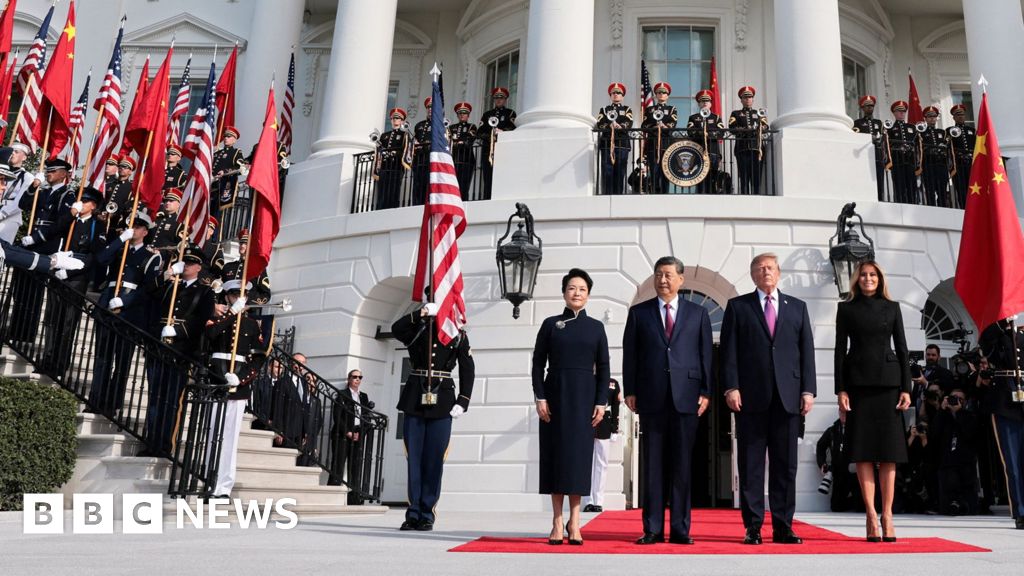
Watch: Trump anticipated Xi's visit for months
15 minutes ago
 World
World
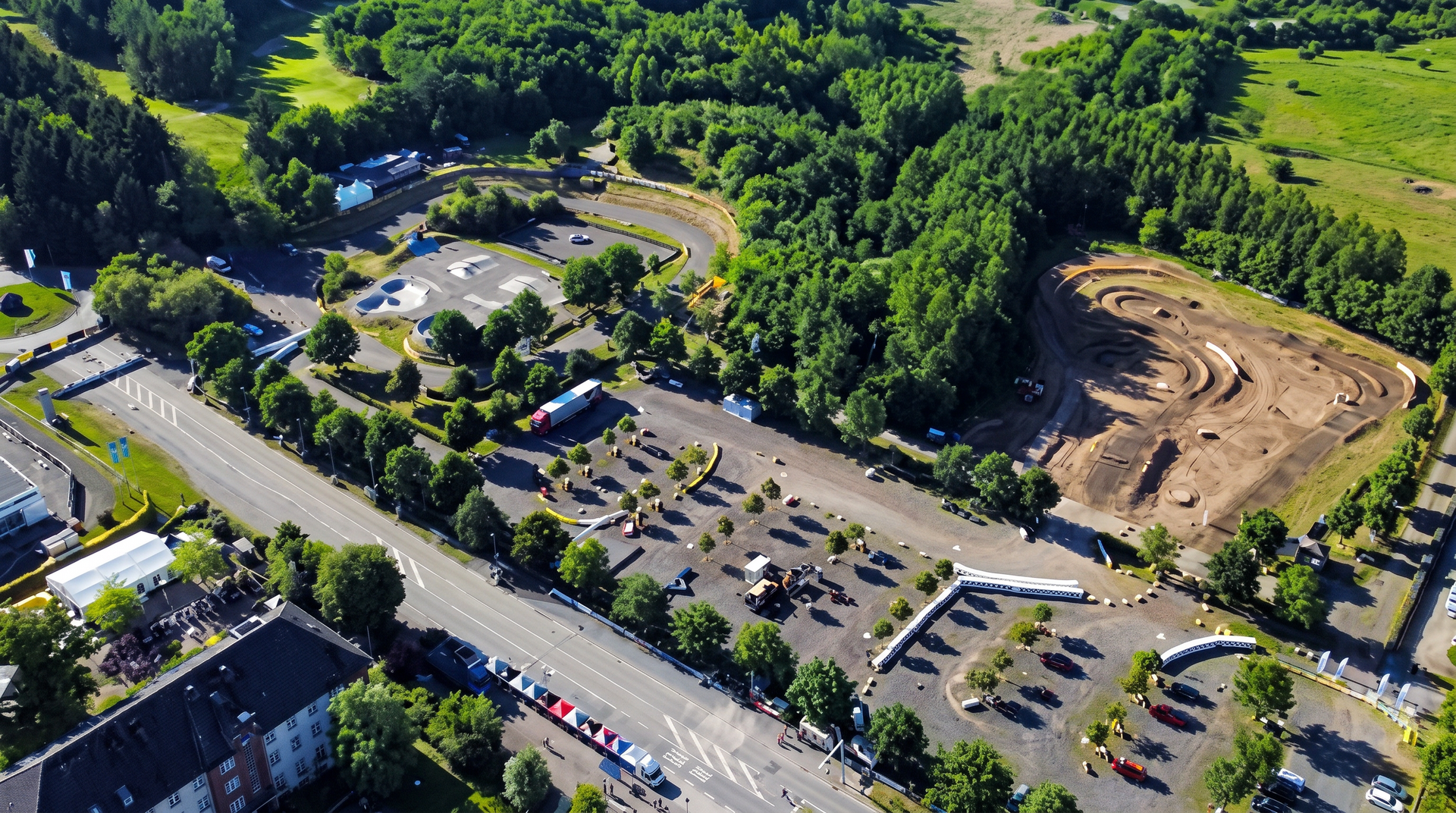
Sankt Wendel ready for the 2026 FIM SuperMoto of Nations
3 hours ago
 World
World
Israel’s Netanyahu takes the U.N. stage facing global isolation and a fight for his political future
3 hours ago
 World
World
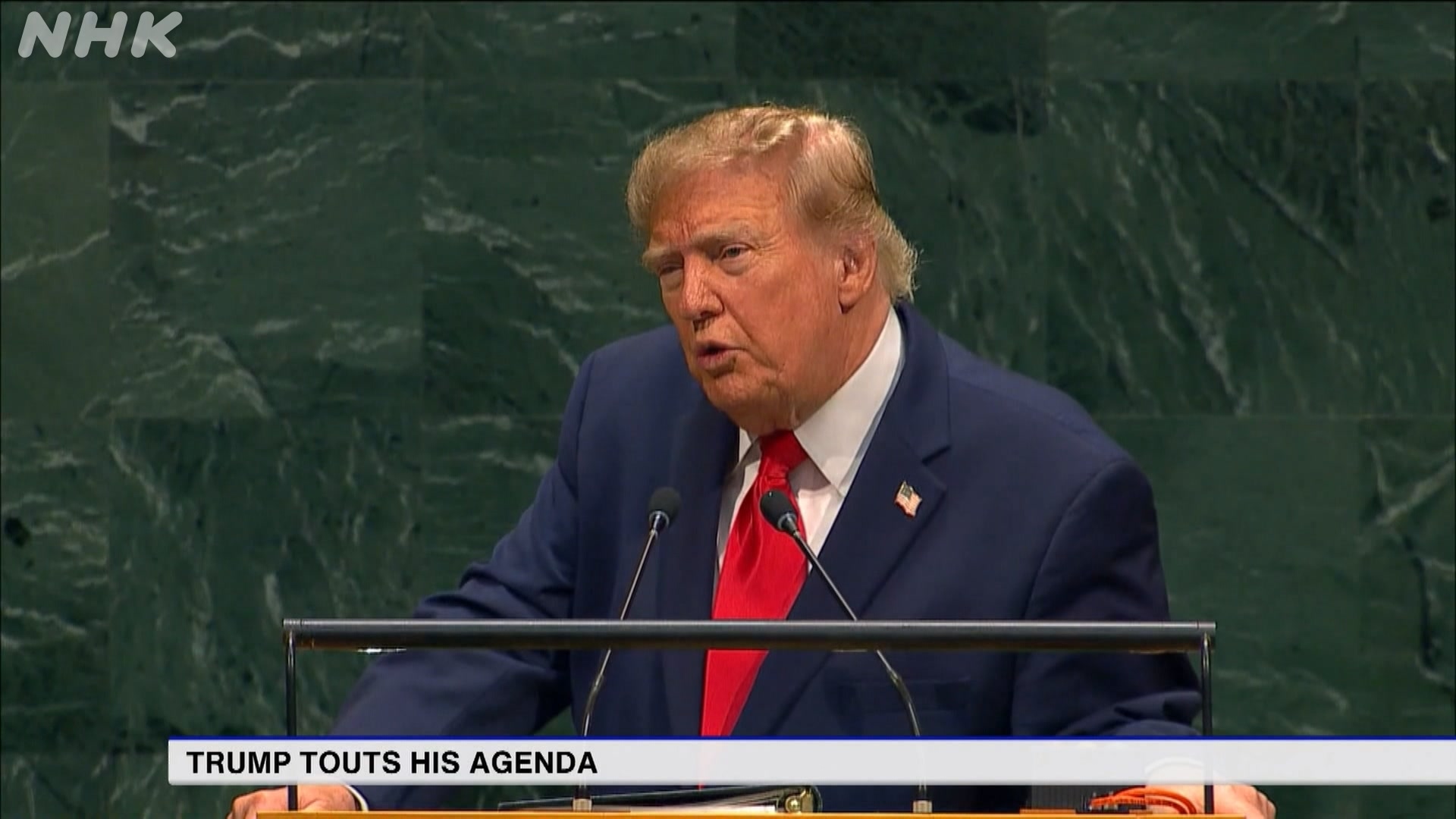
Trump highlights agenda at UN
4 hours ago
 World
World
Netanyahu arrives in New York to address the UN, and other Mideast developments
4 hours ago
 World
World
Judge orders White House to restore access to CNN, MS NOW and Politico
5 hours ago