
U.S. and Iran exchange intense new attacks after Trump says ceasefire is ‘over’
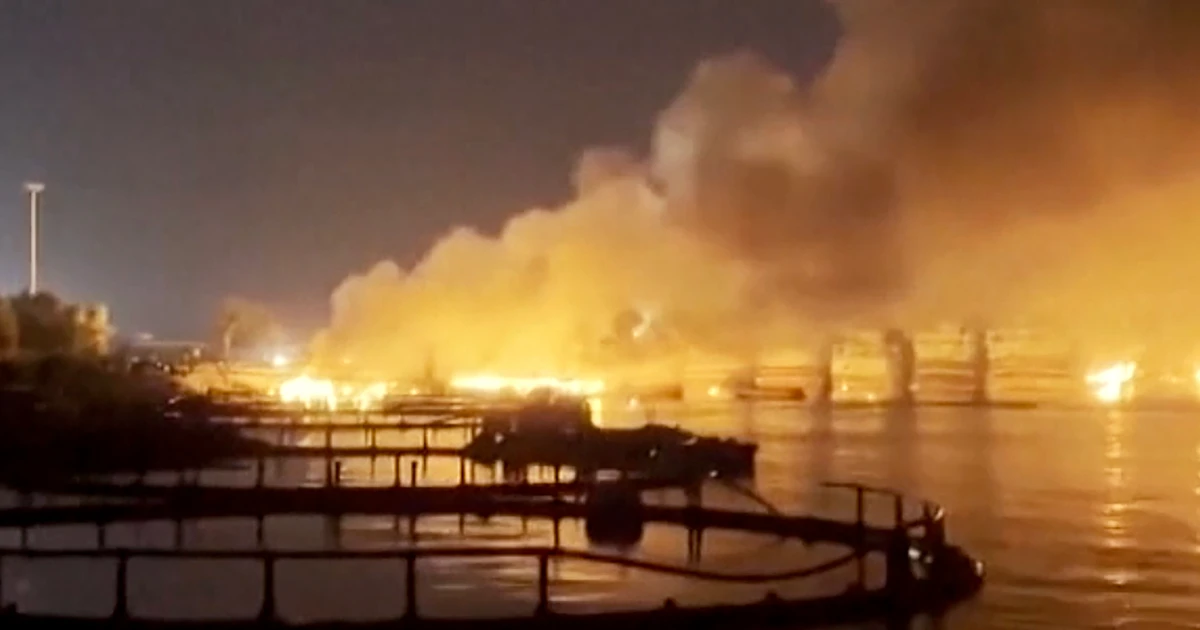
The United States and Iran traded new attacks overnight and into Thursday, intensifying an exchange that threatens to collapse their agreement to end the war.
Subscribe to read this story ad-free
Get unlimited access to ad-free articles and exclusive content.
The American military said it hit around 90 targets in airstrikes across Iran, after President Donald Trump said he considered the tenuous ceasefire between the two countries over following Iranian attacks on shipping in the Strait of Hormuz. Iranian officials reported another set of attacks hours later Thursday morning, which the U.S. did not immediately acknowledge.
Tehran retaliated with attacks on U.S. allies across the Middle East — a wave of strikes that sparked alerts in Qatar, Bahrain, Kuwait and hours later in Jordan — as the two sides accused each other of violating the terms of their interim deal.
The two days of renewed fighting cast doubt on whether Washington and Tehran remained committed to reaching a final deal to end the war, which was launched by the U.S. and Israel in February.
The U.S. military said it struck “approximately 90 Iranian military targets including air defense systems, coastal surveillance assets, missile and drone storage sites, naval capabilities, and military logistics infrastructure along Iran’s coastline.”
Iranian state media reported multiple explosions in cities across the country’s south, and the Foreign Ministry denounced the strikes as a “grave war crime,” saying they targeted civilian infrastructure including two railway bridges.
It said the bridges that were attacked lie on the route to Mashhad, where officials plan to bury the country’s slain Supreme Leader Ayatollah Ali Khamenei on Thursday. Videos geolocated by NBC News showed a damaged railway bridge in Golestan province, which is between Tehran and Mashhad.
Later Thursday, a local official said a U.S. airstrike hit the perimeter of the Bushehr nuclear power plant, according to the state-run IRNA news agency. The region’s deputy governor said the strike was one of several that occurred around 4:30 a.m. ET, hours after U.S. Central Command said it had ended its attacks on Iran.
At least 14 people were killed and another 78 wounded in the two days of U.S. attacks, the Iranian Health Ministry said Thursday in its first overall count of casualties.
There was no immediate response to the Iranian accusations from the Pentagon.
A similar exchange of attacks took place in late June, with an Iranian attack on a commercial ship in the Strait of Hormuz, followed by U.S. military strikes in and around the strait and retaliatory Iranian attacks on Bahrain and Kuwait.
This time, Iran’s retaliation also targeted Qatar and Jordan, the latter of which said it shot down eight Iranian missiles at around 7 a.m. ET Thursday.
The exchanges left the peace process in limbo. Trump and Tehran signed a memorandum of understanding in mid-June, which kicked off a 60-day negotiating period toward a final deal to end the conflict.
Those talks have been paused this week as Iran holds massive funeral events for Khamenei, who was killed in U.S.-Israeli strikes at the start of the war. The funeral will culminate Thursday with a burial ceremony in Mashhad, his hometown and the site of the most prominent Shia shrine in Iran.
Trump, who wrapped up a NATO summit in Turkey on Wednesday, had signaled intense strikes were coming. “This is in retribution for yesterday’s bombing of ships by Iran. If it happens again, it will get much worse!” he warned.
The president dismissed the ongoing peace efforts and labeled Iranian leaders “scum,” but said he would allow negotiations to continue and did not think this new fighting would result in “long-term” military action.
Speaking with reporters later aboard Air Force One, Trump insisted that Iran was desperate to make a deal despite the recent escalation.
“I just don’t know that they’re worthy of making a deal,” he said. “I don’t know that they’re going to honor the deal. That’s the problem.”
Asked why Tehran would attack commercial vessels amid the ongoing ceasefire, Trump responded, “because they’re sort of crazy, to be honest with you ... They’re a little bit out of control, but they wanna make a deal badly.”
The status of the Strait of Hormuz, through which some 20% of the world’s oil passed before the war, has become a major sticking point in talks.
Iran has insisted that it has a right to charge a fee for ships that pass through the strait, and attacked ships in an apparent effort to assert its authority over the crucial waterway.
That ignited this new exchange of fire. But there may be few good options left for Trump, analysts say.
“His pessimism in not getting a final agreement, I think, is well placed, but that doesn’t mean that, you know, the no war, no agreement, no peace situation is also sustainable,” said Ali Vaez, Iran project director for the International Crisis Group think tank.
“He has to get into some kind of understanding with Iran, and there is no way that he would be able to renegotiate the MOU, so his only option is to get back to it.”
Related Stories
 AI News
World Cup 2026: Norway changes hotel due to excessive noise just days ahead of England game
21 minutes ago
 AI News
Korda struggles as Woad makes fast start
21 minutes ago
 AI News
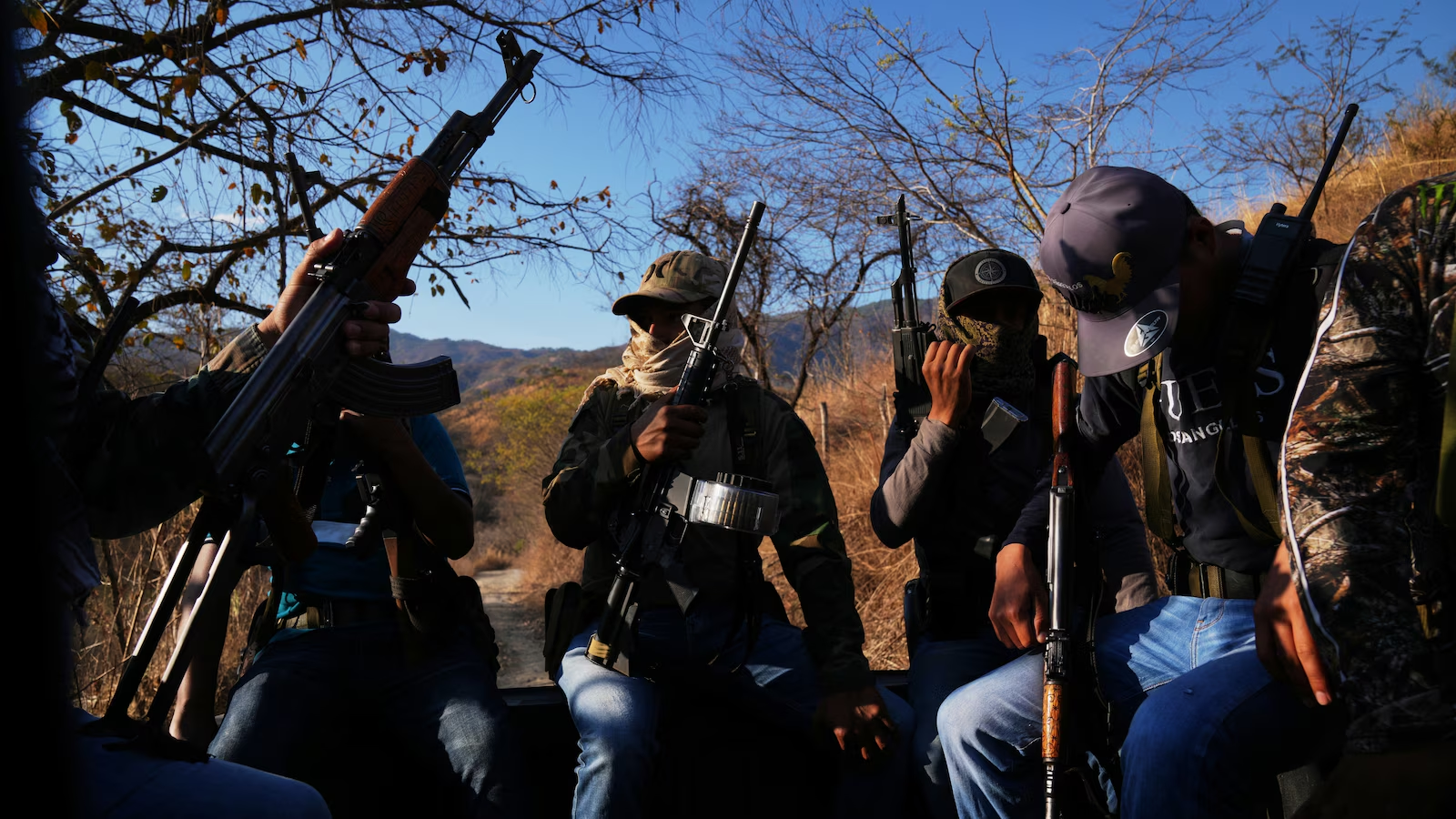
A Mexican village warned of a cartel offensive during the World Cup. Then the drone attacks began
21 minutes ago
 AI News
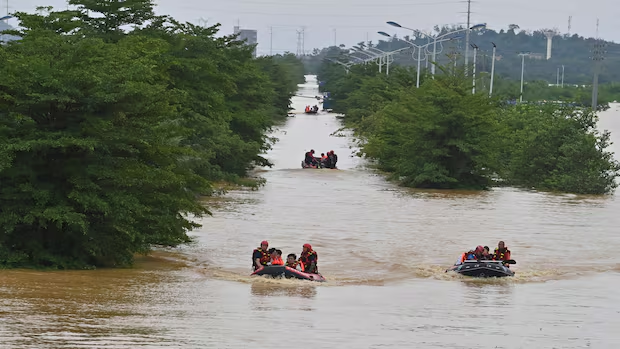
Taiwan braces for powerful typhoon after floods in China kill dozens
21 minutes ago
 AI News
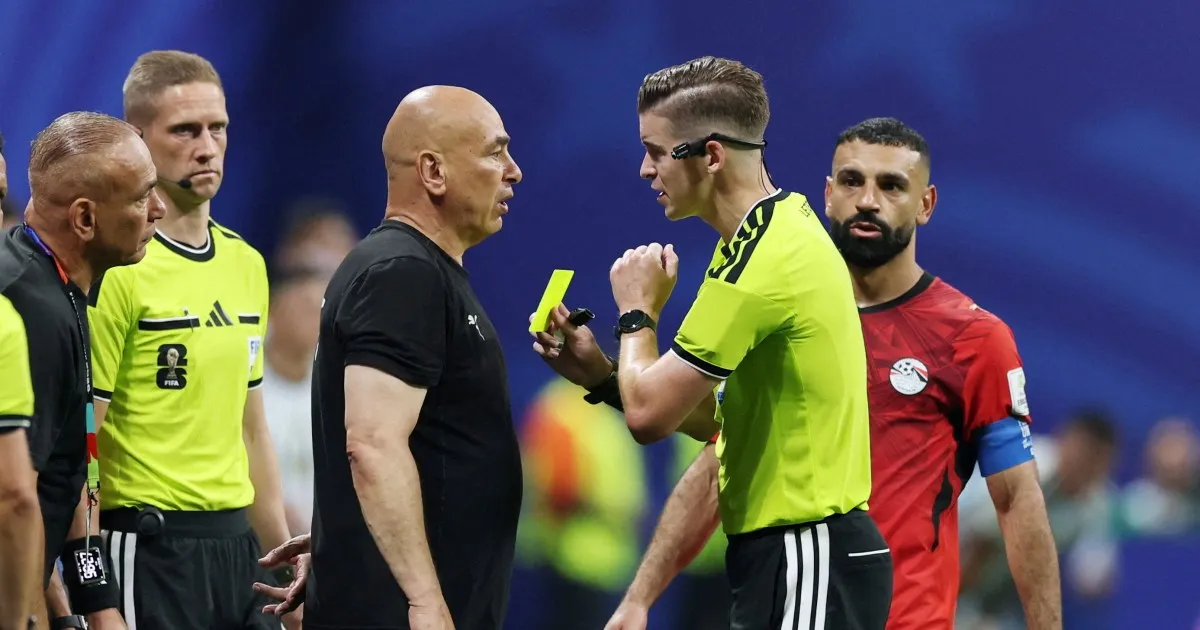
FIFA World Cup: Refereeing chief denies bias claims in Argentina
21 minutes ago
 AI News
In the home: A life well collected
22 minutes ago
 AI News
Canada’s Horizon Aircraft taps BETA for flight control system
22 minutes ago
 AI News
Returning Canadians, US buyers turn to Toronto's housing market
22 minutes ago