
Use of artificial intelligence for mental health splits opinion

Use of artificial intelligence for mental health splits opinion
Roula Khalaf, Editor of the FT, selects her favourite stories in this weekly newsletter.
For more than a decade, “Dan”, a 30-year-old software engineer, recorded his thoughts in journals, personal notes and messages. Earlier this year, he uploaded all this material into Claude, the artificial intelligence chatbot developed by Anthropic, and asked it to identify recurring patterns in his life.
The verdict was brutal, he says. “It basically said you’ve been writing about the same problems for 13 years and not doing anything about them,” he says. “That was quite hard to hear.”
“Dan” — not his real name — is among a growing number of people using AI tools for personal reflection. He has seen a human therapist for several years but the chatbot helped identify themes that would have been hard to spot. “When I think about how I use AI, I don’t think of Claude as a therapist. I think of it as a powerful reflection tool,” he says.
His experience points to a broader shift, particularly among younger people. As large language models become more sophisticated, millions turn to AI-powered chatbots, coaches and mental health apps for support with stress, anxiety, loneliness and self-reflection.
A report by Mental Health UK and Censuswide last year found that 37 per cent of UK adults have used chatbots for mental health or wellbeing conversations. Among 25 to 34-year-olds, the figure rises to 64 per cent.
Budget-busting AI bills; transforming pharma; AI and trust in air traffic control; factory robots on the march; astronomical implications; rewriting gaming rules; agentic travel agents
“AI is cheap, seen as more confidential and less judgmental, instantly available, and brilliant at providing expert knowledge and advice in a kind, empathetic and validating way,” says Anna Maratos, head of psychotherapy for the Central and North West London NHS Foundation Trust and training group analyst at The Group Therapy Space.
Those perceived advantages — while disputed by some — arrive as mental health systems around the world struggle to meet demand. There are long waiting lists and private treatment can be expensive. By comparison, AI tools are available instantly, often at little or no cost, and can be accessed at any time.
In response, companies such as Wysa, Talkspace, Rula and Grow Therapy are expanding their offerings, some combining human therapy with AI-powered support.
Wysa, which says it has supported more than 6mn people in 105 countries, in December expanded its services into six additional languages, taking the total to 10. The company positions its technology as a first step, rather than a replacement for clinical care.
“There is no single typical Wysa user,” says John Tench, managing director at Wysa. “The common need is immediate, stigma-free, structured support that helps people take a constructive next step.”
Most users, Tench argues, are not seeking treatment for severe mental illness but rather help with everyday challenges. “Stress doesn’t keep office hours,” he says. “People often need to talk something through at the moment it’s happening, not in a fortnight’s time.”
Maratos does not view AI as a substitute for therapy, but says it can play a useful role in helping people navigate the mental health system and encouraging those who might avoid therapy — particularly men, who are often reluctant — to seek professional support.
She recalls clients arriving at her practice after AI tools suggested that group therapy might be more effective than one-to-one treatment for problems such as shame and social anxiety. “That’s particularly useful because it’s so counter-intuitive,” she says.
Across the sector, employers are pitching AI as a way to extend support between therapy sessions, automate administrative work and help clinicians reach more patients.
But there are concerns that the rapid adoption of AI support may come with costs. One risk is that people become less practised at navigating difficult human relationships.
“If someone turns to AI instead of a friend every time they need support, they lose opportunities to deepen those friendships,” says Maratos. “AI tools foster dependency, subtly drawing the user away from real-life interactions — this is their business model. Good therapy does the opposite.”
She also fears that health systems and employers may view AI primarily as a cost-cutting tool rather than investing in human support that addresses loneliness and social isolation.
Research from Stanford University shows that these tools can introduce potentially dangerous biases and failures. Unlike trained therapists, AI systems cannot fully understand human emotions, assess risk reliably or intervene during a crisis. Researchers have documented cases in which chatbots generated inappropriate or potentially harmful responses, while studies have suggested models may reinforce users’ beliefs rather than challenge them.
Fola Yahaya, author of Quite Possibly the Best Intro to AI and founder of the communications consultancy Strategic Agenda, says “The risk is that it can become an emotional echo chamber because it is optimised to validate rather than challenge,” adding that, contrary to popular belief, AI comes without the reassurance of confidentiality.
Indeed, Dan found older chatbots too eager to agree with him. “They can amplify your own biases,” he says. “A human therapist can know that about you and correct for it.”
The distinction became clearer when he took Claude’s analysis into sessions with his therapist. While the chatbot had identified patterns, his therapist helped him understand what to do with those insights.
As more AI mental health tools come on to the market, the debate is shifting from whether they can provide support to where their limits lie. Maratos says that while chatbots may give advice and help users organise their thoughts, they cannot recreate the challenge, discomfort and interpersonal dynamics that often drive change in therapy.
“AI can make people feel validated and heard,” says Maratos. “But therapy is not simply about talking through problems. Some of the deepest change happens through navigating relationships with other people.”
Follow the topics in this article
Related Stories
 AI News
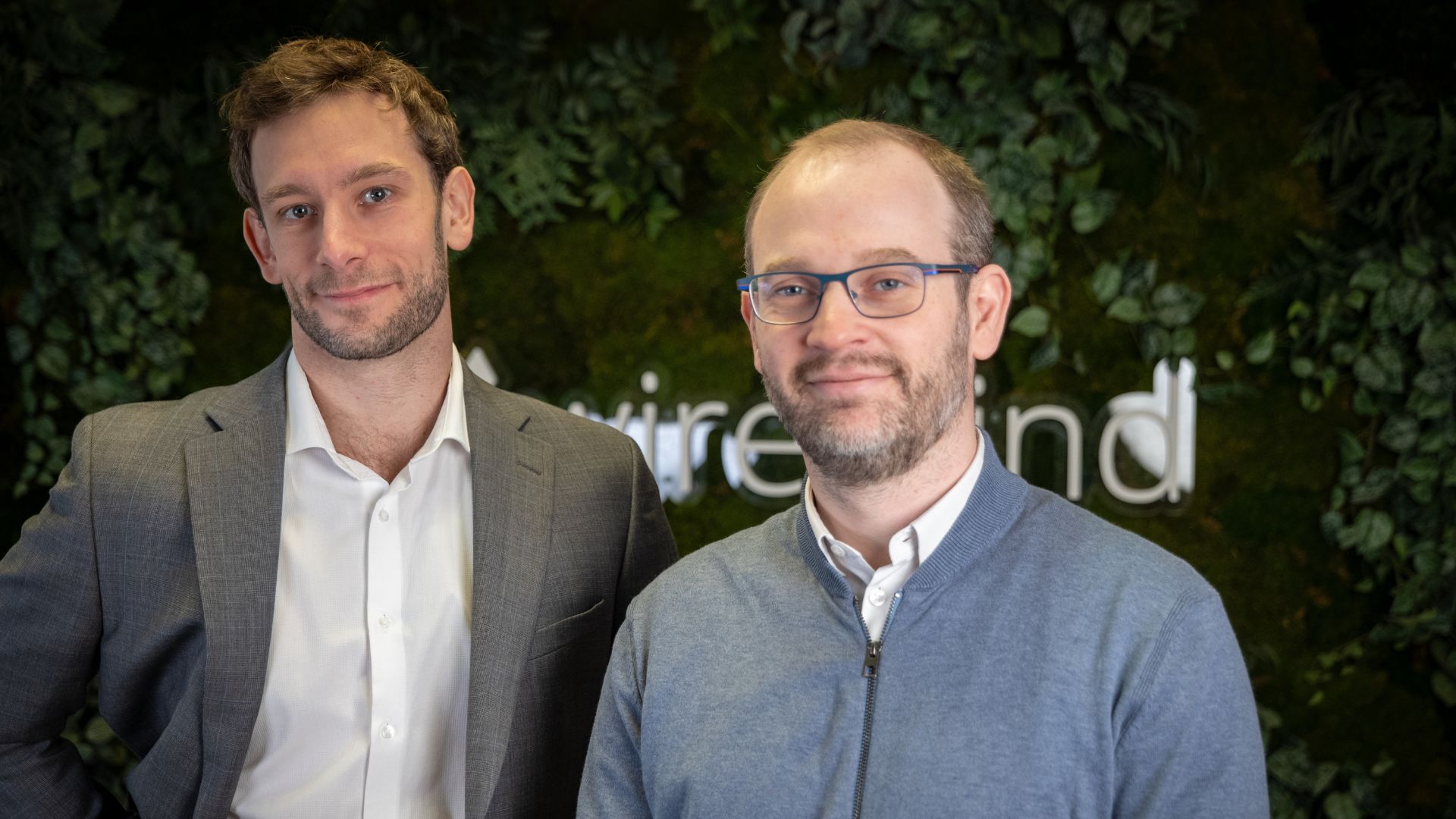
Profitable French scale-up Wiremind raises €35 million after 12 years of bootstrapping
46 minutes ago
 AI News
Jan LeCun, a world
47 minutes ago
 AI News
University launches new degree examining artificial intelligence
47 minutes ago
 AI News
Artificial intelligence is changing consumer shopping habits.
1 hour ago
 AI News
Actor Andrew Garfield says OpenAI film Artificial turns lens on creators of ‘new world’
1 hour ago
 AI News
'AI is all that matters': How 42 artificial intelligence stocks drive 67% of S&P 500 gains since 2024
1 hour ago
 AI News
Prominent Chinese mathematicians launched a coalition to incorporate artificial intelligence (AI) in..
2 hours ago
 AI News
Japan institute's system assesses generative AI safety | NHK WORLD
3 hours ago