
Why India’s Gen Z Protests Matter to Young People Everywhere
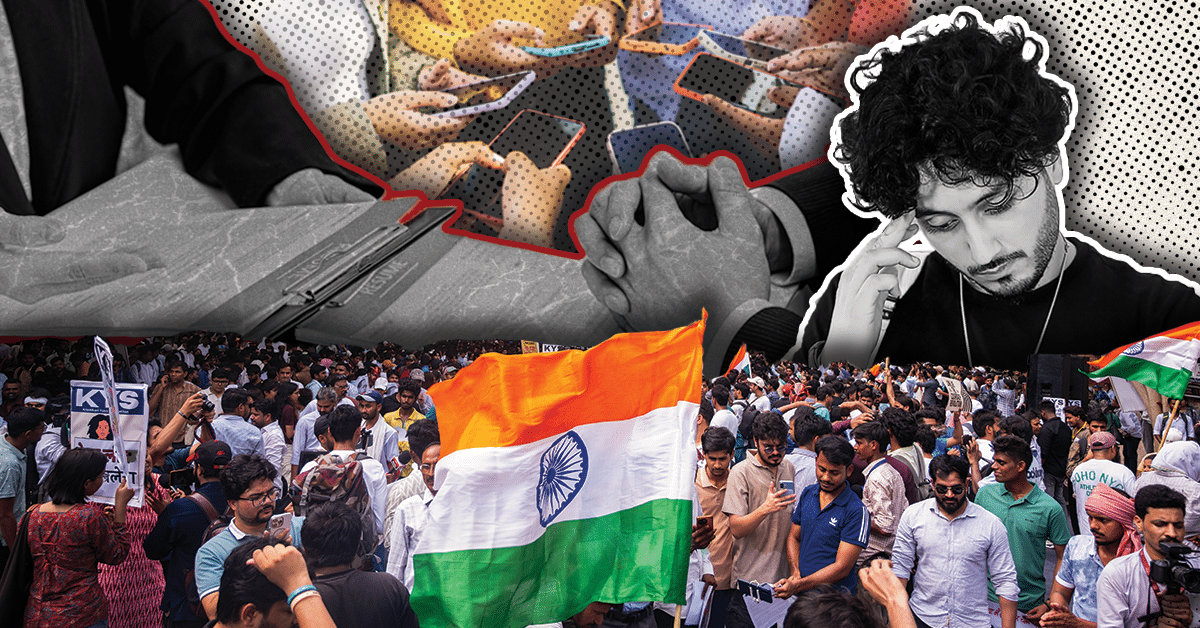
In July 2026, millions of people gathered in the streets in India to protest against an exam leak that disrupted a major medical entrance exam. Questions from the examination were illegally obtained and shared before students sat the test.
The protest in India started with a small strike about a paper leak and turned into a protest against the Indian education system. This was not the first time such an incident had occurred in India, but this time it exposed a much bigger issue.
The protest captured attention around the world. It shows how young people in India are losing interest in and faith in a system that is supposed to shape their future. The protest soon turned into a youth-led movement demanding accountability and justice from the government in the form of resignation from Educational minister Dharmedra Pradhan.
This movement was led under the name of Cockroach Janta Party (CJP). It was not a usual movement; it was led and spread by Gen Z and has taken the internet by fire. Even social media was involved in this protest, as there are memes, videos, and trends about the protest. This protest ended on 25 July 2026 after achieving its goal with the resignation of the Education Minister of India. The government has also proposed tougher measures against exam leaks. But the question is: How did an education scandal become powerful enough to mobilize a whole generation?
Why are young people protesting in India?
The core reason for the protest is relatable to millions of Indian students: that education will eventually lead you towards a successful future. The job market and education department are very competitive in India.
People spend decades of their lives to prepare for entrance exams or to achieve a desired career opportunity. Students often spend years preparing for major entrance and recruitment examinations, hoping that success will lead to university places, professional careers, and financial stability. Hence, when something like an exam leak and cancellation happens, it has more severe consequences than just a bad result.
The recent protest centered on a medical entrance exam taken by more than two million students. Someone leaked the exam paper before the test, yet officials still administered the exam. They later canceled the results. Reuters reported that for two million young students who had spent years preparing, the scandal represented a serious loss of trust in the system. This protest was not only about this paper, but it connects with the wider problem of having employment after getting an education. The International Labor Organization’s India Employment Report 2024 highlights continuing challenges around youth employment, education and skills in India.
This scenario helps us to understand that why this protest was symbolic and why it was not only about a paper leak. It was about the accountability of an educational system that is responsible for the future of millions in India. The protest became so viral and influential that it forced the government to accept the resignation of Education Minister Dharmendra Pradhan.
What makes this protest different?
Young people protesting in India is not something that is happening for the first time. There have been times when young people gathered together on the roads in India for protests. The only and biggest difference is how this whole moment is associated with a generation called Gen Z and the way they communicated through digital media.
It all started to fuel online when a minister compared the unemployed people of India with “Cockroaches”. Instead of feeling insulted by this comment, they started using it as satire and humor and formed a political party online by giving it the name of “Cockroach Janta Party(CJP)”.
In a single night, this online official page of “Cockroach Janta Party” got millions of followers, even more than any official political party of India. Surprisingly, more than ninety percent of protestors were the Gen Z age group of India. They did not use the regular mediums of communication such as long-planned political speeches or debates. They created content that is easy to share and accessible to everyone in the form of memes, posts, and tweets, and communicated with each other using Instagram, YouTube, and X.
Hence, during the protests, social media also became a way of documenting what was happening. Al Jazeera reported young protesters filming events on their phones and uploading footage to Instagram. This created a protest that existed in two places at once: on the streets of Delhi and on the screens of millions of people.
Digital activism is not invented by Gen Z. Still, they have shown the world how a generation that grew up with smartphones and social media can participate in politics online. For instance, if a person can not be physically present at the place of protest but still can share protest posts online and discuss it with his/her fellows.
One thing that social media gave to this protest in India is speed. In moments, the protest content used to get viral, and everyone, regardless of being at the protest site or not, can see it and spread it to the rest of the world. Billions of people were aware of what’s going on in India. The short videos on social media and posts used to help other Gen Z audiences understand the situation fully.
But in contrast, these videos can also be misleading as well because you can not explain everything in one short video, or one misleading caption can be enough to ruin the agenda of the whole protest. Particularly, in a situation like India, where the authorities were trying to mislead the world with the agenda of the protest by sharing half-truths or misleading information.
Hence, it was very concerning to keep sharing updates of the protest and stick with your real agenda and show your pure intentions to the Whole nation. Because it was trending not only in India but also globally, there could be many people who just want attention and have nothing to do with the protest or its cause. Some people could also use the protest just as a source to get into the limelight or as entertainment.
This creates a difficult balance for Gen Z activism. Social media can give young people a voice, but young protesters still need reliable information if that voice is going to create meaningful change. The Indian protests show that going viral can bring attention, but attention alone is not the same as political change.
How India’s Gen Z movements matter beyond India
The core issue that led to India’s Gen Z moment is not limited to young people in India; youngsters from all over the world can relate to this. The protest in India was a question to their government about their future, employment, and financial stability.
Students from different countries around the World are facing the same situation where getting higher education is really expensive, and there is no security about having a job and settling down in life financially. Hence, studying hard, getting qualified, finding a job, and building an independent life- this pressure is not unique to India.
Protests in India show that the young generations are not ignorant or disengaged with whatever is happening in their countries or in politics; they just have a different way to react towards it. The moment that started with humor and satire turned into large demonstrations and consequences. Its influence has already extended beyond the resignation of the education minister. Reuters reported in August that the CJP was considering its future as a social movement rather than immediately becoming a political party, while its leaders continued to focus on issues including accountability and unemployment.
The political establishment also seems to be attentive towards it. As seen on social media, Prime Minister Narendra Modi has begun using Instagram more aggressively to appeal to younger voters following the protests. Reuters reported that the government is attempting to connect with a generation that could represent nearly 400 million Gen Z voters by the 2029 general election.
The young generation has proved that they are no longer just an audience in politics. Rather, they are turning into a political force that needs to be understood by governments.
Related Stories
 India
India
Will legacy brands handover online operations to start
1 hour ago
 India
India
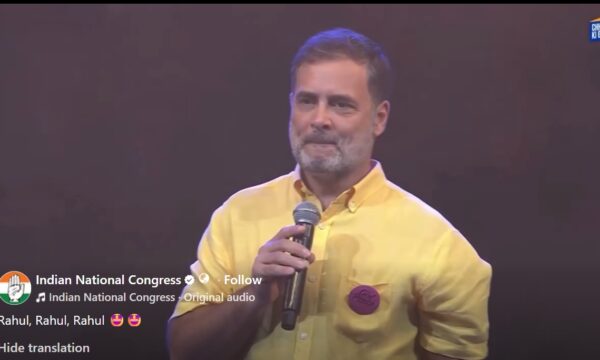
Rahul Gandhi Ushers a New Style of Youth-Centric Politics in India - The Diplomat
6 hours ago
 India
India
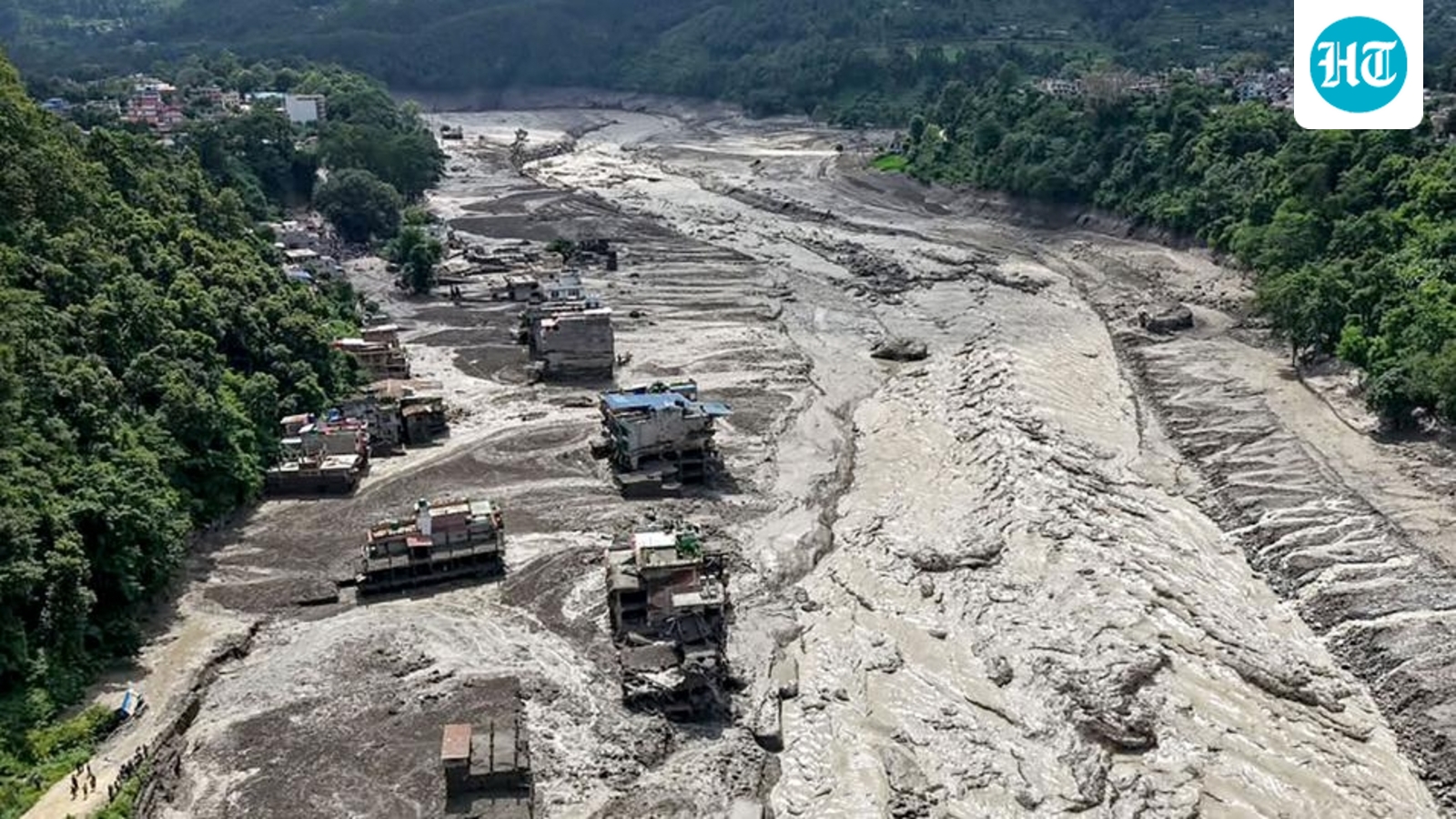
130+ Indians, 37 NRIs out of reach as Nepal floods toll mounts, Bihar, UP on alert: What is happening? | India News
6 hours ago
 India
India
Why India is sharing missile secrets with its private sector
6 hours ago
 India
India
Ukraine’s drone attacks have left Russia desperately scrambling for oil imports
8 hours ago
 India
India
Piyush Goyal proposes India
10 hours ago
 India
India
MIT India’s IRS 2026 Advances 25
12 hours ago
 India
India
Rahul Gandhi questions India PM Narendra Modi's 'culture shock' comment over women swearing at CJP protest
17 hours ago