
Artificial intelligence in cardio-kidney-metabolic care: Transforming integrated disease management through data

Artificial intelligence (AI) is rapidly transforming the landscape of chronic medical conditions, such as cardio-kidney-metabolic (CKM) issues linked to type 2 diabetes and obesity. It creates new opportunities to shift from reactive to proactive, data-driven care. Recent advances include predictive algorithms for hypoglycemia and hyperglycemia, decision-support tools for insulin titration, and generative and agentic AI applications that can enhance patient engagement, streamline clinical workflows, and provide personalized education. For individuals with chronic conditions, AI-powered technologies offer hope in reducing disease burden, supporting self-management, and improving quality of life. For clinicians, AI offers opportunities to analyze and interpret large amounts of glucose, medication, and behavioral data, thus supporting personalized care and freeing more time to focus on psychosocial and lifestyle factors. Despite these benefits, challenges remain, such as ensuring equitable access, integrating AI into primary care, building trust among clinicians and patients, and addressing ethical issues related to data use. This review will synthesize current evidence on AI’s impact on diabetes and CKM care and education, highlight opportunities for interdisciplinary teams to utilize AI tools, and outline future directions for research and clinical practice. By examining AI’s potential and limitations, this article aims to equip clinicians with the knowledge needed to adopt AI-enabled approaches to better manage chronic diseases.
This is a preview of subscription content, access via your institution
Prices may be subject to local taxes which are calculated during checkout
No original data was used in preparation of this manuscript.
World Health Organization. Noncommunicable diseases: fact sheet. Geneva: World Health Organization; 2024 [cited 2025 Oct 10]. Available from: https://vizhub.healthdata.org/gbd-results/.
Ndumele CE, Rangaswami J, Chow SL, Neeland IJ, Tuttle KR, Khan SS. Cardiovascular-kidney-metabolic health: a presidential advisory from the American Heart Association. Circulation. 2023;148:1606–35.
Guan Z, Li H, Liu R, Cai C, Liu Y, Li J, et al. Artificial intelligence in diabetes management: advancements, opportunities, and challenges. Cell Rep Med. 2023;4:101213. https://doi.org/10.1016/j.xcrm.2023.101213.
Article PubMed PubMed Central Google Scholar
Tsichlaki S, Koumakis L, Tsiknakis M. Type 1 diabetes hypoglycemia prediction algorithms: systematic review. JMIR Diab. 2022;7:e34699 https://doi.org/10.2196/34699.
Wang X, Si J, Li Y, Tse P, Zhang G, Wang X, et al. Effectiveness and safety of AI-driven closed-loop systems in diabetes management: a systematic review and meta-analysis. Diabetol Metab Syndr. 2025;17:238 https://doi.org/10.1186/s13098-025-01819-0.
Pancreas Bionic, Group Research. Multicenter, randomized trial of a bionic pancreas in type 1 diabetes. N Engl J Med. 2022;387:1161–72.
Bergenstal RM, Heller A, Breton MD, Vigersky R, Brown SA, Forlenza GP, et al. Evolution of the artificial pancreas: components and integration—CGMs, insulin, and AP systems. Diab Technol Ther. 2025;19:883–94.
Shomali M, Kumbara A, MacLeod J, Iyer A. Personalized cardiometabolic care powered by artificial intelligence. Front Endocrinol. 2025;16:1593321. https://doi.org/10.3389/fendo.2025.1593321.
Abraham A, Yaghootkar Y. Identifying obesity subtypes: a review of studies utilizing clinical biomarkers and genetic data. Diabet Med. 2023. https://doi.org/10.1111/dme.15226.
Wang SCY, Nickel G, Venkatesh KP, Raza MM, Kvedar JC. AI-based diabetes care: risk prediction models and implementation concerns. npj Digit Med. 2024;7:36 https://doi.org/10.1038/s41746-024-01034-7.
Meder B, Asselbergs FW, Ashley E. Artificial intelligence to improve cardiovascular population health. Eur Heart J. 2025;46:1907–16. https://doi.org/10.1093/eurheartj/ehaf125.
One Drop. One Drop increases accuracy of AI-powered hypoglycemia and hyperglycemia predictions and introduces alert capability for people using continuous glucose monitors. One Drop Press Release. 2020 Feb 25 [cited 2025 Nov 29]. Available from: https://www.prnewswire.com/news-releases/one-drop-increases-accuracy-of-ai-powered-hypoglycemia-and-hyperglycemia-predictions-and-introduces-alert-capability-for-people-using-continuous-glucose-monitors-301010606.html.
Duckworth C, Guy MJ, Kumaran A, O’Kane AA, Ayobi A, Chapman A, et al. Explainable machine learning for real-time hypoglycemia and hyperglycemia prediction and personalized control recommendations. J Diab Sci Technol. 2024;18:113–23. https://doi.org/10.1177/19322968221103561.
Jin X, Cai A, Xu T, Zhang X. Artificial intelligence biosensors for continuous glucose monitoring. Interdiscip Mater. 2023;2:290–307. https://doi.org/10.1002/idm2.12069.
Makino M, Yoshimoto R, Ono M, Itoko T, Katsuki T, Koseki A, et al. Artificial intelligence predicts the progression of diabetic kidney disease using big data machine learning. Sci Rep. 2019;9:11862. https://doi.org/10.1038/s41598-019-48263-5.
Article CAS PubMed PubMed Central Google Scholar
Nayak S, Amin A, Reghunath SR, Thunga G, Acharya UD, Shivashankara KN, et al. Development of a machine learning-based model for the prediction and progression of diabetic kidney disease: a single-centred retrospective study. Int J Med Inf. 2024;190:105546 https://doi.org/10.1016/j.ijmedinf.2024.105546.
Yuan S, Guo L, Xu F. Artificial intelligence in nephrology: predicting CKD progression and personalizing treatment. Int Urol Nephrol. 2025, https://doi.org/10.1007/s11255-025-04878-4.
Betzler BK, Chee EYL, He F, Lim CC, Ho J, Hamzah H, et al. Deep learning algorithms to detect diabetic kidney disease from retinal photographs in multiethnic populations with diabetes. J Am Med Inf Assoc. 2023;30:1904–14.
Dong W, Wan EYF, Fong DYT, Tan KCB, Tsui WWS, Hui EMT, et al. Development and validation of 10-year risk prediction models of cardiovascular disease in Chinese type 2 diabetes mellitus patients in primary care using interpretable machine learning-based methods. Diab Obes Metab. 2024;26:3969–87. https://doi.org/10.1111/dom.15748.
Dong B, Chen Y, Yang X, Chen Z, Zhang U, Gao Y, et al. Estimated glucose disposal rate outperforms other insulin resistance surrogates in predicting incident cardiovascular diseases in cardiovascular-kidney-metabolic syndrome stages 0–3 and development of a machine learning prediction model: a nationwide prospective cohort study. Cardiovasc Diabetol. 2025;24:163 https://doi.org/10.1186/s12933-025-02729-1.
Ying Z, Fan Y, Chen C, Liu Y, Tang Q, Chen Z, et al. Real-time AI-assisted insulin titration system for glucose control in patients with type 2 diabetes: a randomized clinical trial. JAMA Netw Open. 2025;8:e258910 https://doi.org/10.1001/jamanetworkopen.2025.8910.
Warren M, Bergenstal RM, Hager M, Bashan E, Hodish I. A scalable application of artificial intelligence-driven insulin titration program to transform type 2 diabetes management. Diab Technol Ther. 2024;26:556–65. https://doi.org/10.1089/dia.2024.0041.
Ji C, Jiang T, Liu L, Zhang J, You L. Continuous glucose monitoring combined with artificial intelligence: redefining the pathway for prediabetes management. Front Endocrinol. 2025;16:1571362. https://doi.org/10.3389/fendo.2025.1571362.
Hood M, Sears E, Reyes E. The future of automated insulin delivery systems. Curr Diab Rep. 2025;25:46.
Wang X, Si J, Li Y, Tse P, Zhang G, Wang X, et al. Effectiveness and safety of AI-driven closed-loop systems in diabetes management: a systematic review and meta-analysis. Diabetol Metab Syndr. 2025;17:238.
Mosquera-Lopez C, Wilson LM, El Youssef J, Hilts W, Leitschuh J, Branigan D, et al. Enabling fully automated insulin delivery through meal detection and size estimation using artificial intelligence. npj Digit Med. 2023;6:39 https://doi.org/10.1038/s41746-023-00783-1.
U.S. Food and Drug Administration. FDA clears new insulin pump and algorithm-based software to support enhanced automatic insulin delivery. FDA News Release. 2023.
Oikonomou EK, Khera R. Machine learning in precision diabetes care and cardiovascular risk prediction. Cardiovasc Diabetol. 2023;22:259.
Kelly A, Noctor E, Van De Ven P. The effectiveness of a custom AI chatbot for type 2 diabetes mellitus health literacy: development and evaluation study. J Med Internet Res. 2025;27:e70131 https://doi.org/10.2196/70131.
Jeon S, Lee S, Kim EH, Eun J, Lee K, Lim H, et al. Generative AI chatbot for diabetes management: formative 2-part qualitative study using DTalksBot involving patients and clinicians. JMIR Form Res. 2025;9:e72553.
Amiri M, Li J, Hasan W. Personalized flexible meal planning for individuals with diet-related health concerns: system design and feasibility validation study. JMIR Form Res. 2023;7:e46434 https://doi.org/10.2196/46434.
Marey A, Saad AM, Killeen BD, Gomez C, Tregubova M, Unberath M, et al. Generative artificial intelligence: enhancing patient education in cardiovascular imaging. BJR Open. 2024;6:tzae018. https://doi.org/10.1093/bjro/tzae018.
Laranjo L, Dunn AG, Tong HL, Kocaballi AB, Chen J, Bashir R, et al. Conversational agents in healthcare: a systematic review. J Am Med Inf Assoc. 2018;25:1248–58. https://doi.org/10.1093/jamia/ocy072.
Casu M, Triscari S, Battiato S, Guarnera L, Caponnetto P. AI chatbots for mental health: a scoping review of effectiveness, feasibility, and applications. Appl Sci. 2024;14:5889 https://doi.org/10.3390/app14135889.
Hinostroza Fuentes VG, Karim HA, Tan MJT, AlDahoul N. AI with agency: a vision for adaptive, efficient, and ethical healthcare. Front Digit Health. 2025;7:1600216.
Pefanis A, Botlero R, Langham RG, Nelson CL. eMAP:CKD: electronic diagnosis and management assistance to primary care in chronic kidney disease. Nephrol Dial Transpl. 2018;33:121–8. https://doi.org/10.1093/ndt/gfw366.
Ennis J, Gillen D, Rubenstein A, Worcester E, Brecher ME, Asplin J, et al. Clinical decision support improves physician guideline adherence for laboratory monitoring of chronic kidney disease: a matched cohort study. BMC Nephrol. 2015;16:163 https://doi.org/10.1186/s12882-015-0159-5.
Greene J, Hibbard JH. Why does patient activation matter? An examination of the relationships between patient activation and health-related outcomes. J Gen Intern Med. 2012;27:520–6. https://doi.org/10.1007/s11606-011-1931-2.
Wu Y, Zhang J, Ge P, Duan T, Zhou J, Wu Y, et al. Application of chatbots to help patients self-manage diabetes: systematic review and meta-analysis. J Med Internet Res. 2024;26:e60380.
Wennberg AR, Halpern SE, Balu S. Leveraging artificial intelligence to advance health equity in America’s safety net. J Gen Intern Med. 2025. https://doi.org/10.1007/s11606-025-09606-3.
Sezgin E. Artificial intelligence in healthcare: complementing, not replacing, doctors and healthcare providers. Digit Health. 2023;9:20552076231186520. https://doi.org/10.1177/20552076231186520.
Phillip M, Bergenstal RM, Close KL, Danne T, Garg S, Heinemann L, et al. The digital/virtual diabetes clinic: the future is now—recommendations from an international panel on diabetes digital technologies introduction. Diabetes Technol Ther. 2021;23https://doi.org/10.1089/dia.2020.0375.
Green BL, Murphy A, Robinson E. Accelerating health disparities research with artificial intelligence. Front Digit Health. 2024;6:1330160. https://doi.org/10.3389/fdgth.2024.1330160.
Hasanzadeh F, Josephson CB, Waters G, Adedinsewo D, Azizi Z, White JA. Bias recognition and mitigation strategies in artificial intelligence healthcare applications. npj Digit Med. 2025;8:154 https://doi.org/10.1038/s41746-025-01503-7.
Chin MH, Afsar-Manesh N, Bierman AS, Chang C, Colon-Rodriguez CJ, Dullabh P, et al. Guiding principles to address the impact of algorithm bias on racial and ethnic disparities in health and health care. JAMA Netw Open. 2023;6:e2345050 https://doi.org/10.1001/jamanetworkopen.2023.45050.
Pew Research Center. Internet/broadband fact sheet [Internet]. Washington (DC): Pew Research Center; 2025 Nov 20 [cited 2025 Dec 26]. Available from: https://www.pewresearch.org/internet/fact-sheet/internet-broadband/
Faverio M. Americans’ use of mobile technology and home broadband [Internet]. Washington (DC): Pew Research Center; 2024 Jan 31 [cited 2025 Dec 26]. Available from: https://www.pewresearch.org/internet/2024/01/31/americans-use-of-mobile-technology-and-home-broadband/.
Howell CR, Tanaka S, Zhang L, Carson AP, Yi N, Shikany JM, et al. Adding social determinants of health to the equation: development of a cardiometabolic disease staging model using clinical and social determinants of health to predict type 2 diabetes. Diabetes Obes Metab. 2025. https://doi.org/10.1111/dom.16241.
Britton KE, Britton-Colonnese JD. Privacy and security issues surrounding the protection of data generated by continuous glucose monitors. J Diab Sci Technol. 2017;11:216–9. https://doi.org/10.1177/1932296816681585.
Radanliev P. Privacy, ethics, transparency, and accountability in AI systems for wearable devices. Front Digit Health. 2025;7:1431246.
Pham T. Ethical and legal considerations in healthcare AI: innovation and policy for safe and fair use. R Soc Open Sci. 2025;12:241873.
Hurley ME, Lang BH, Kostick-Quenet KM, Smith JN, Blumenthal-Barby J. Patient consent and the right to notice and explanation of AI systems used in health care. Am J Bioeth. 2025;25:102–14. https://doi.org/10.1080/15265161.2024.2399828.
Bignami E, Darhour LJ, Franco G, Guarnieri M, Bellini V. AI policy in healthcare: a checklist-based methodology for structured implementation. J Anesth Analg Crit Care. 2025;5:56 https://doi.org/10.1186/s44158-025-00278-3.
Battineni G, Sagaro GG, Chinatalapudi N, Amenta F. Applications of machine learning predictive models in the chronic disease diagnosis. J Pers Med. 2020;10:21 https://doi.org/10.3390/jpm10020021.
Cangelosi G, Conti A, Caggianelli G, Panella M, Petrelli F, Mancin S, et al. Barriers and facilitators to artificial intelligence implementation in diabetes management from healthcare workers’ perspective: a scoping review. Med (Kaunas). 2025;61:1403 https://doi.org/10.3390/medicina61081403.
Lehne M, Sass J, Essenwanger A, Schepers J, Thun S. Why digital medicine depends on interoperability. npj Digit Med. 2019;2:79 https://doi.org/10.1038/s41746-019-0158-1.
Patient Matching and Transparency in Certified Health IT Act of 2024, H.R. 7379, 118th Cong. (2024). Available from: https://www.congress.gov/bill/118th-congress/house-bill/7379
Aleppo G, Gal RL, Raghinaru D, Krugwer D, Beck RW, Bergenstal RM, et al. Comprehensive telehealth model to support diabetes self-management. JAMA Netw Open. 2023;6:e2336876 https://doi.org/10.1001/jamanetworkopen.2023.36876.
Bergenstal RM, Layne JE, Zisser H, Gabbay RA, Barleen NA, Lee AA, et al. Remote application and use of real-time continuous glucose monitoring by adults with type 2 diabetes in a virtual diabetes clinic. Diab Technol Ther. 2021;23:128–32. https://doi.org/10.1089/dia.2020.0396.
Wu CC, Wu KC, José AS, Novin N. Virtual endocrinology care emphasizing data-driven insights and continuous engagement and its impact on glycemic outcomes in patients with uncontrolled diabetes: a real-world retrospective case series. JMIR Diab. 2022;7:e30626 https://doi.org/10.2196/30626.
Kannenberg S, Voggel J, Thieme N, Witt O, Pethahn KL, Schütt M, et al. Unlocking potential: personalized lifestyle therapy for type 2 diabetes through a predictive algorithm-driven digital therapeutic. J Diab Sci Technol. 2024;0:19322968241266821 https://doi.org/10.1177/19322968241266821.
Bornstein SR, Dey AK, Steenblock C, Mohan V, Anjana RM, Schwarz P. Artificial intelligence and diabetes: time for action and caution. Lancet Diab Endocrinol. 2025;13:552–3.
Touro University California College of Osteopathic Medicine, Vallejo, CA, USA
Janice MacLeod Consulting, Glen Burnie, MD, USA
Search author on:PubMed Google Scholar
CY and JM contributed equally to the conception and outline of the work, drafting, editing, and finalizing the manuscript.
Correspondence to Janice MacLeod.
JM is a consultant for Beta Bionics, Trivida Health, and Welldoc. No funding was received for this work.
Publisher’s note Springer Nature remains neutral with regard to jurisdictional claims in published maps and institutional affiliations.
Springer Nature or its licensor (e.g. a society or other partner) holds exclusive rights to this article under a publishing agreement with the author(s) or other rightsholder(s); author self-archiving of the accepted manuscript version of this article is solely governed by the terms of such publishing agreement and applicable law.
Young, C.F., MacLeod, J. Artificial intelligence in cardio-kidney-metabolic care: Transforming integrated disease management through data-informed innovation. Int J Obes (2026). https://doi.org/10.1038/s41366-026-02119-x
Version of record: 01 June 2026
DOI: https://doi.org/10.1038/s41366-026-02119-x
Related Stories
 AI News
Alarming AI ads are flooding social media in the lead
1 hour ago
 AI News
Nvidia's investments grow to $99 billion as chip giant becomes major backer of AI companies
3 hours ago
 AI News
Quebec courts say generative AI cannot replace judges' reasoning
3 hours ago
 AI News
People Are Telling Their Darkest Thoughts to AI Without Realizing They Can Easily Become Public
5 hours ago
 AI News
AI boom pushes global billionaire wealth to record $15.1 trillion in 2025
6 hours ago
 AI News
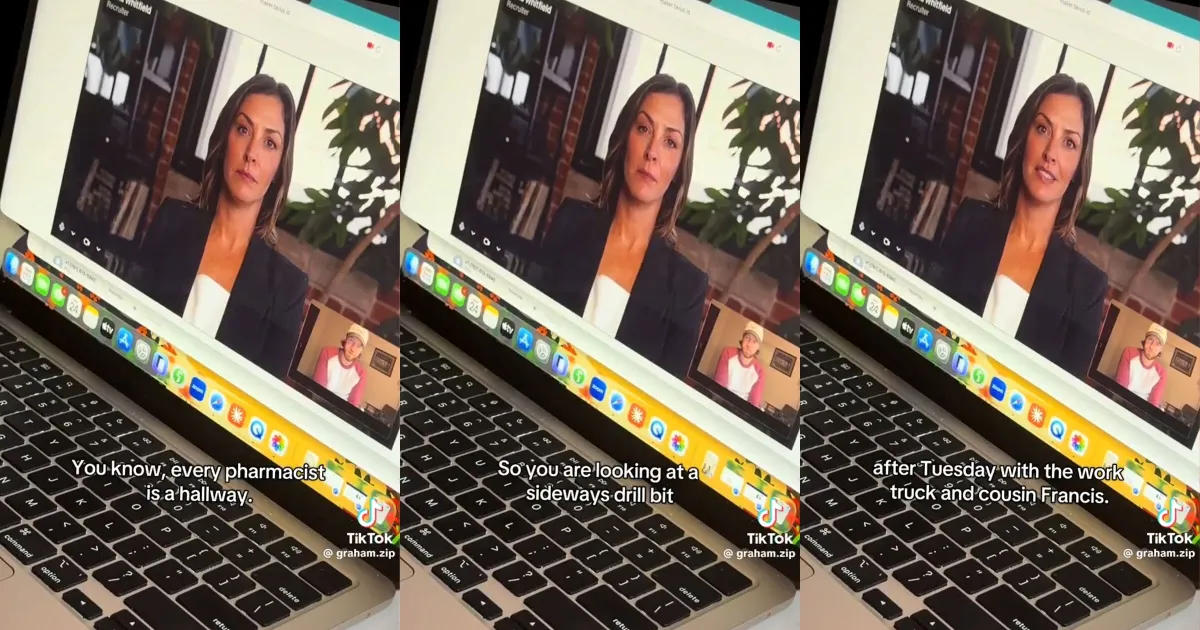
Man Pretends to Hallucinate in Job Interview With an AI Bot, Causing It to Go Haywire
7 hours ago
 AI News
Kids met a new generation of AI toys and weren’t impressed
8 hours ago
 AI News
Anthropic IPO launch shifts toward mid
9 hours ago