
Canadian province sues OpenAI over alleged ChatGPT
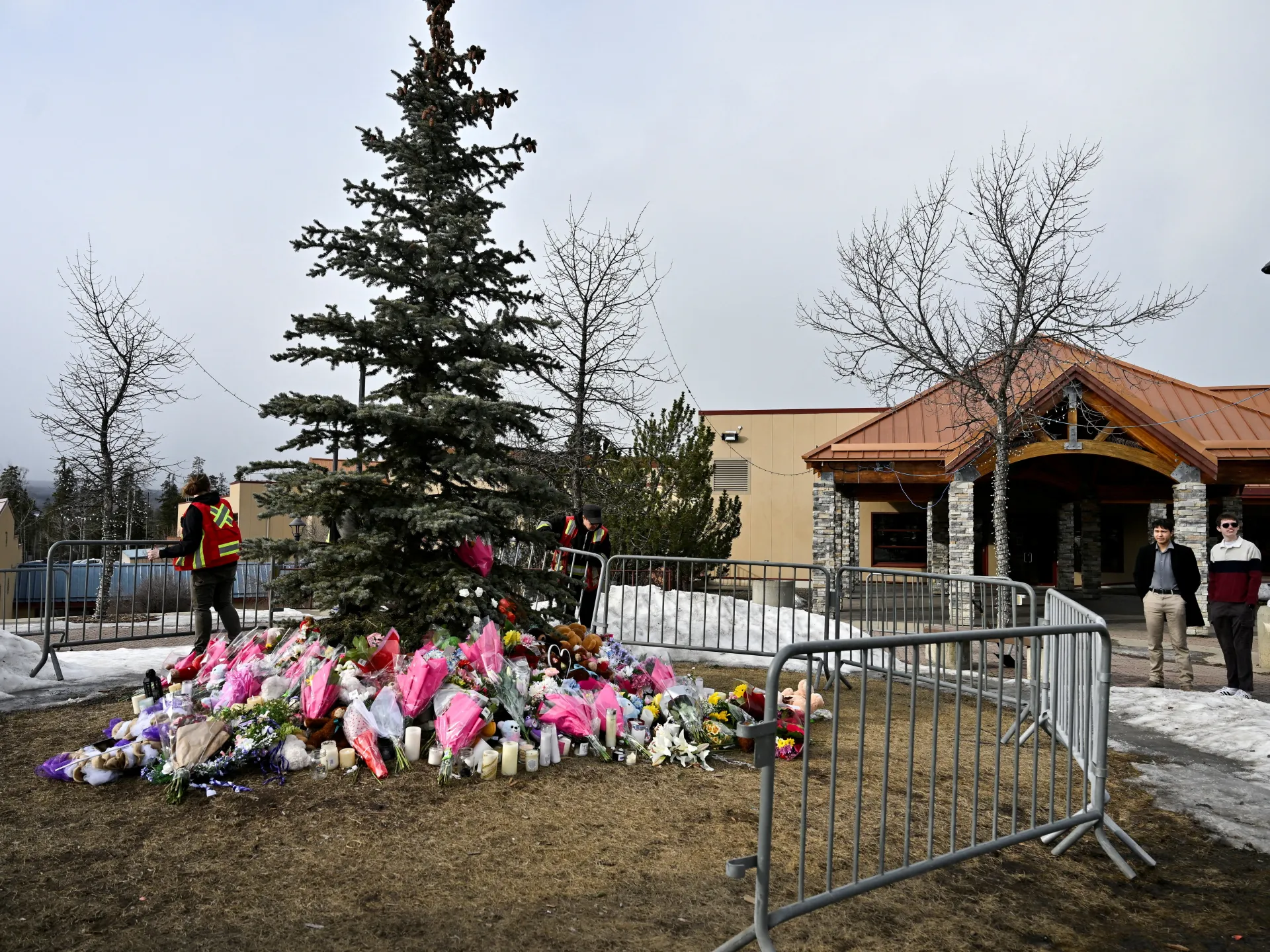
The Canadian province of British Columbia is preparing to sue OpenAI, alleging the US company failed to alert police after its staff internally flagged violent ChatGPT conversations linked to the person responsible for February’s Tumbler Ridge mass shooting.
Attorney General Niki Sharma announced Tuesday that the province has hired legal teams in British Columbia and California to “explore all legal avenues to hold OpenAI and its decision-makers accountable for its documented failure to notify law enforcement regarding explicit, flagged threats made by the perpetrator on the company’s ChatGPT platform.”
OpenAI is based in San Francisco, California in the United States.
The move stems from the February 10 attack in the remote mountain community of Tumbler Ridge, where authorities say 18-year-old Jesse Van Rootselaar killed their mother and half-brother before going to the Tumbler Ridge Secondary School and opening fire.
Five children between the ages of 11 and 13 and one educator were killed at the school. Twenty-seven other people were wounded before Van Rootselaar died from what police described as a self-inflicted gunshot wound.
In a statement, Sharma’s office said internal reports from OpenAI showed that its safety teams flagged the shooter’s “violent prompts on ChatGPT months before the attack, yet the company’s leadership did not notify police or local authorities”.
“When there are serious concerns that opportunities to prevent harm were missed, we have a responsibility to act,” said Sharma.
The announcement comes three months after families of seven victims launched their own lawsuit in California against OpenAI and its CEO, Sam Altman, on behalf of five people who were killed and two who were injured in the shooting.
Their lawyers said in a news release that in June 2025, about eight months before the Tumbler Ridge mass shooting, the company “flagged and banned the perpetrator’s ChatGPT account for ‘disturbing content’ which allegedly included the discussion and planning of violent scenarios”.
They added, however, that despite 12 different OpenAI employees “imploring” the company to notify police about the shooter’s plans, no action was taken.
OpenAI told Canadian media in February it had banned the account after it was flagged and had considered referring it to law enforcement, but decided against it because the activity didn’t indicate “an imminent and credible risk of serious physical harm to others”.
Altman later published an apology in a local newspaper, saying he deeply regretted that the company had not contacted authorities before the shooting.
“I am deeply sorry that we did not alert law enforcement to the account that was banned in June,” he wrote in Tumbler RidgeLines. “While I know words can never be enough, I believe an apology is necessary to recognize the harm and irreversible loss your community has suffered.”
The province’s lawsuit would be separate from the victims’ lawsuit.
Related Stories
 AI News
Transforming markets: How AI
52 minutes ago
 AI News
Side of slop? Bizarre AI food images jump from online to IRL menus
53 minutes ago
 AI News
Wrtn Technologies begins selecting IPO underwriter
53 minutes ago
 AI News
Google to speed up chip rollout to stay ahead in AI, technology chief says
53 minutes ago
 AI News
US pushes looser approach to AI regulation, while EU pushes new law
53 minutes ago
 AI News
Chinese internet giants set to reap AI profits in 2 to 3 years, UBS says
1 hour ago
 AI News
Future of AI content depends on intelligence of machines
1 hour ago
 AI News
Faster homework, poor exam results: What AI is doing to students’ learning
1 hour ago